










Sem Resultado
Ver Todos Os Resultados
Newsletters
Agroportal
  • Login
  • Registar
  • Sugeridas
  • Notícias
    • Notícias
    • Nacional
    • Internacional
    • Comunicados

    Governo vai investir mais 4,5 ME no Aproveitamento Hidroagrícola do Xévora em Campo Maior

    Aumentar a produtividade em contexto de crescimento generalizado de preços

    Proteção Civil alerta para previsão meteorológica favorável a incêndios rurais

    Guarda: Projeto “Heróis da Fruta” faz subir os lanches saudáveis para 80% nas escolas do distrito

    javali

    Governo vai pagar 50 euros por javali macho e 70 euros por fêmea para aumentar abates

    Miranda do Douro: Cidade acolhe pela primeira vez encontro de apicultores da Terra de Miranda

    Albergaria-a-Velha: Festival Internacional de Cinema Documental sobre o pão regressa a 18

    food fork knife

    Alunos de Castro Verde levam aplicação contra o desperdício alimentar à final nacional do Apps for Good

    São Pedro do Sul: Município reivindica integração no projeto-piloto nacional para o controlo dos javalis

  • Opinião

    Solo: A Infraestrutura Invisível da Adaptação Climática

    Ibéria: a terra prometida a quem?

    O Impacto da agricultura regenerativa sobre os resultados económicos das explorações agrícolas

    Ibéria – a terra prometida

    O dia em que a Europa descobrir o elevado preço de não produzir

    As cooperativas não pagam IRC. E depois?

    500 milhões de Euros por Ano Não Chega Sem Planeamento

    António Covas

    O mundo paradoxal do nosso rural tardio e remoto

    Azeites de Portugal: tratar diferente o que é diferente

  • Eventos
  • Dossiers

    Dossiers I

    • Agricultura Biológica
    • Apoios
    • Artigos Técnicos
    • Biossoluções
    • Cadeia Alimentar
    • Fertilizantes
    • Financiamento
    • Fitofarmacêuticos

    Dossiers II

    • Florestas
    • Futuro da PAC
    • Inovação
    • Mercados
    • Newsletters e Revistas
    • Recomendações Agroflorestais
    • Seguros

    Últimas

    Gasóleo agrícola mantém apoio de 10 cêntimos até ao final do ano

    14/09/2026
    pepac logo 23 27

    PEPAC 2023-2027: Pedidos de alteração de datas disponíveis

    14/09/2026

    Europe’s fertiliser dilemma: Balancing affordability, competitiveness and strategic autonomy

    14/09/2026

    Reestruturação de vinhas tem apoio excecional de 5 milhões de euros

    14/09/2026

    Clube Produtores Florestais alia-se a John Deere, Hitachi, Komatsu e Vicort para acelerar a modernização florestal

    14/09/2026

    Sapadores florestais, do apego à função ao desejo de uma carreira

    13/09/2026
  • Serviços
    • Diretório
    • Emprego
    • Máquinas Agrícolas
    • Meteorologia
    • Terrenos Agrícolas
    • Arquivo Agroportal
Agroportal
  • Sugeridas
  • Notícias
    • Notícias
    • Nacional
    • Internacional
    • Comunicados

    Governo vai investir mais 4,5 ME no Aproveitamento Hidroagrícola do Xévora em Campo Maior

    Aumentar a produtividade em contexto de crescimento generalizado de preços

    Proteção Civil alerta para previsão meteorológica favorável a incêndios rurais

    Guarda: Projeto “Heróis da Fruta” faz subir os lanches saudáveis para 80% nas escolas do distrito

    javali

    Governo vai pagar 50 euros por javali macho e 70 euros por fêmea para aumentar abates

    Miranda do Douro: Cidade acolhe pela primeira vez encontro de apicultores da Terra de Miranda

    Albergaria-a-Velha: Festival Internacional de Cinema Documental sobre o pão regressa a 18

    food fork knife

    Alunos de Castro Verde levam aplicação contra o desperdício alimentar à final nacional do Apps for Good

    São Pedro do Sul: Município reivindica integração no projeto-piloto nacional para o controlo dos javalis

  • Opinião

    Solo: A Infraestrutura Invisível da Adaptação Climática

    Ibéria: a terra prometida a quem?

    O Impacto da agricultura regenerativa sobre os resultados económicos das explorações agrícolas

    Ibéria – a terra prometida

    O dia em que a Europa descobrir o elevado preço de não produzir

    As cooperativas não pagam IRC. E depois?

    500 milhões de Euros por Ano Não Chega Sem Planeamento

    António Covas

    O mundo paradoxal do nosso rural tardio e remoto

    Azeites de Portugal: tratar diferente o que é diferente

  • Eventos
  • Dossiers

    Dossiers I

    • Agricultura Biológica
    • Apoios
    • Artigos Técnicos
    • Biossoluções
    • Cadeia Alimentar
    • Fertilizantes
    • Financiamento
    • Fitofarmacêuticos

    Dossiers II

    • Florestas
    • Futuro da PAC
    • Inovação
    • Mercados
    • Newsletters e Revistas
    • Recomendações Agroflorestais
    • Seguros

    Últimas

    Gasóleo agrícola mantém apoio de 10 cêntimos até ao final do ano

    14/09/2026
    pepac logo 23 27

    PEPAC 2023-2027: Pedidos de alteração de datas disponíveis

    14/09/2026

    Europe’s fertiliser dilemma: Balancing affordability, competitiveness and strategic autonomy

    14/09/2026

    Reestruturação de vinhas tem apoio excecional de 5 milhões de euros

    14/09/2026

    Clube Produtores Florestais alia-se a John Deere, Hitachi, Komatsu e Vicort para acelerar a modernização florestal

    14/09/2026

    Sapadores florestais, do apego à função ao desejo de uma carreira

    13/09/2026
  • Serviços
    • Diretório
    • Emprego
    • Máquinas Agrícolas
    • Meteorologia
    • Terrenos Agrícolas
    • Arquivo Agroportal
Sem Resultado
Ver Todos Os Resultados
Agroportal

Tinted solar panels could boost farm incomes

por Cornell Alliance for Science
07-08-2020 | 11:57
em Últimas, Internacional, Notícias inovação, Inovação, Dossiers
Tempo De Leitura: 4 mins
A A
Partilhe no FacebookPartilhe no TwitterEnviar para o WhatsappEnviar para o TelegramEnviar para o LinkedIn

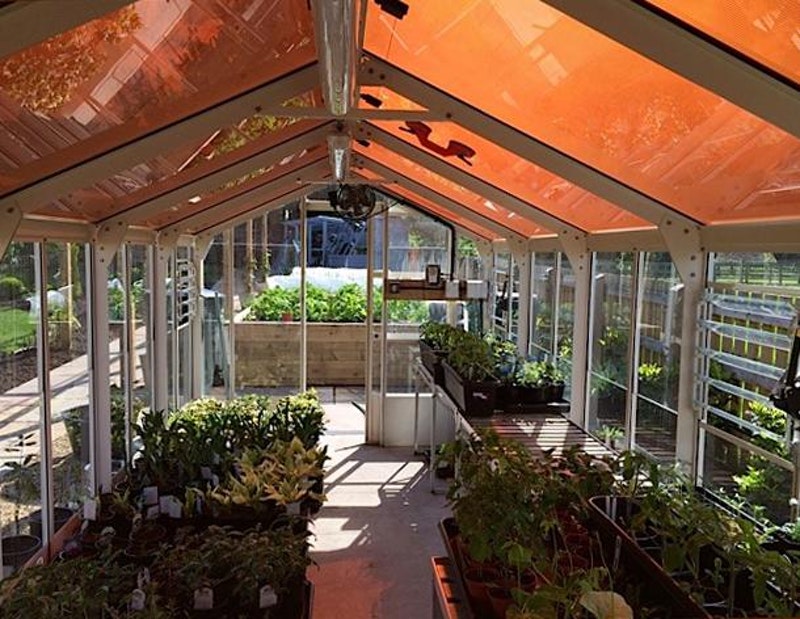
Tinted, semi-transparent solar panels can generate electricity and simultaneously produce nutritionally-superior crops, offering farmers the prospect of higher incomes and maximizing their land use.

By allowing farmers to diversify their portfolio, this novel system could offer financial protection from fluctuations in market prices or changes in demand and mitigate risks associated with an unreliable climate, a new study suggests. On a larger scale it could vastly increase capacity for solar-powered electricity generation without compromising agricultural production.

“With so many crops currently grown under transparent covers of some sort, there is no loss of land to the extra energy production using tinted solar panels,” said Dr. Elinor Thompson of the University of Greenwich and lead author of the study.

This is not the first time that crops and electricity have been produced simultaneously using semi-transparent solar panels — a technique called “agrivoltaics.” But in a novel adaptation, the researchers used orange-tinted panels to make best use of the wavelengths — or colors — of light that could pass through them.

The tinted solar panels absorb blue and green wavelengths to generate electricity. Orange and red wavelengths pass through, allowing plants underneath to grow. While the crop receives less than half the total amount of light it would get if grown in a standard agricultural system, the colors passing through the panels are the ones most suitable for its growth.

“For high value crops like basil, the value of the electricity generated just compensates for the loss in biomass production caused by the tinted solar panels,” said Dr. Paolo Bombelli, a researcher in the University of Cambridge’s Department of Biochemistry, who led the study. “But when the value of the crop was lower, like spinach, there was a significant financial advantage to this novel agrivoltaic technique.”
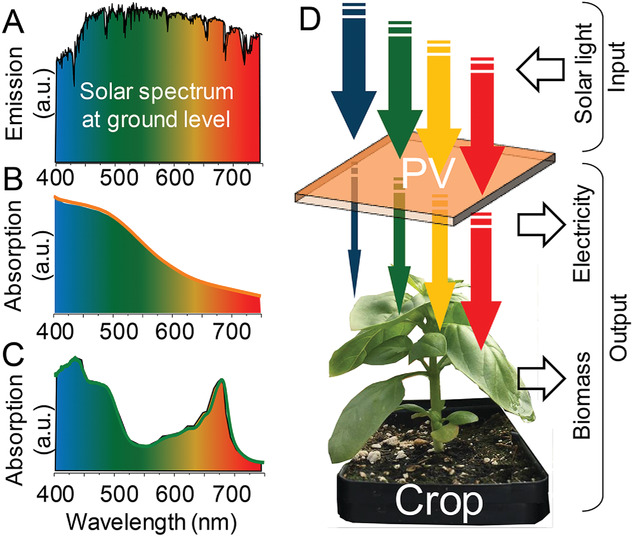
Agrivoltaics for food and energy double‐generation implemented with tinted semi‐transparent solar panel. A) Solar radiation spectrum in the visible range at the ground level. B) Absorption spectrum for the tinted semi‐transparent solar PV panel (a‐Si single‐junction) used in this study. C) Absorption spectrum for a basil plant leaf. D) Schematic representation of the input (solar energy) and the two contextual outputs of agrivoltaics (i.e., electricity and biomass).

The combined value of the spinach and electricity produced using the tinted agrivoltaic system was 35 percent higher than growing spinach alone under normal growing conditions. By contrast, the gross financial gain for basil grown in this way was only 2.5 percent. The calculations used current market prices: basil sells for around five times more than spinach. The value of the electricity produced was calculated by assuming it would be sold to the Italian national grid, where the study was conducted.

“Our calculations are a fairly conservative estimate of the overall financial value of this system. In reality if a farmer were buying electricity from the national grid to run their premises then the benefit would be much greater,” said Prof. Christopher Howe in the University of Cambridge’s Department of Biochemistry, who was also involved in the research.

The study found the salable yield of basil grown under the tinted solar panels reduced by 15 percent, and spinach reduced by around 26 percent, compared to normal growing conditions. However, the spinach roots grew far less than their stems and leaves: with less light available, the plants were putting their energy into growing their “biological solar panels” to capture the light.

Laboratory analysis of the spinach and basil leaves grown under the panels revealed both had a higher concentration of protein. The researchers think the plants could be producing extra protein to boost their ability to photosynthesize under reduced light conditions. In an additional adaptation to the reduced light, longer stems produced by spinach could make harvesting easier by lifting the leaves further from the soil.

“From a farmer’s perspective, it’s beneficial if your leafy greens grow larger leaves — this is the edible part of the plant that can be sold.” Bombelli said. “And as global demand for protein continues to grow, techniques that can increase the amount of protein from plant crops will also be very beneficial.”

All green plants use the process of photosynthesis to convert light from the sun into chemical energy that fuels their growth. The experiments were carried out in Italy using two trial crops. Spinach (Spinacia oleracea) represented a winter season crop: it can grow with fewer daylight hours and can tolerate colder weather. Basil (Ocimum basilicum) represented a summer season crop, requiring lots of light and higher temperatures.

The researchers are currently discussing further trials of the system to understand how well it would work for other crops, and how growth under predominantly red and orange light affects the crops at the molecular level.

O artigo foi publicado originalmente em Cornell Alliance for Science.

Imprimir Artigo
Publicação Anterior

Incêndios: Governo prolonga declaração de situação de alerta em Portugal continental

Próxima Publicação

Alqueva: CDS quer saber em que ponto está estudo sobre gestão e compatibilização da água

Artigos Relacionados

Nacional

Governo vai investir mais 4,5 ME no Aproveitamento Hidroagrícola do Xévora em Campo Maior

14/09/2026
Últimas

Aumentar a produtividade em contexto de crescimento generalizado de preços

14/09/2026
Nacional

Proteção Civil alerta para previsão meteorológica favorável a incêndios rurais

14/09/2026
Próxima Publicação
CDS logo

Alqueva: CDS quer saber em que ponto está estudo sobre gestão e compatibilização da água

Discussão sobre este post

Opinião

Últimas

Solo: A Infraestrutura Invisível da Adaptação Climática

por Maria João Sacadura
13/09/2026

Ler maisDetails
Últimas

Ibéria: a terra prometida a quem?

por António Reis Pereira
09/09/2026

Ler maisDetails

Subscrever as nossas newsletteres

Subscrever as nossas Newsletters Agroportal

Verifique na sua caixa de correio ou na pasta de spam para confirmar a sua subscrição.

Comunicados

Aumentar a produtividade em contexto de crescimento generalizado de preços

14/09/2026
ESAC

O paradoxo das áreas do futuro: há procura por profissionais, mas continuam a existir muitas vagas no ensino superior

14/09/2026
Advertisement

Temas em destaque

Candidaturas PU Guerra Médio Oriente Mercosul ovibeja PAC pós 2027 Simplificação PAC Temporais vinho Água que Une

Eventos

Setembro 2026
STQQSSD
  1 2 3 4 5 6
7 8 9 10 11 12 13
14 15 16 17 18 19 20
21 22 23 24 25 26 27
28 29 30     
« Ago   Out »

Sobre Nós

O Agroportal.pt é uma plataforma de informação digital que reúne a informação relevante sobre agricultura. Tem um foco na Política Agrícola Comum e a sua aplicação em Portugal.

Menu

  • Quem somos
  • Relatórios anuais
  • Envie-nos informação
  • Publicidade
  • Newsletters
  • Estatuto Editorial
  • Ficha técnica
  • Proteção de Dados Pessoais
  • Disclaimer
Facebook twitter Circle Instagram Rss Feed

© Agroportal. All Rights reserved.

Bem-Vindo De Volta!

Sign In with Facebook
Sign In with Google
OR

Faça login na sua conta abaixo

Esqueceu-se da senha? Registar

Criar Uma Nova Conta!

Sign Up with Facebook
Sign Up with Google
OR

Preencha os campos abaixo para se registar

* Ao se registar-se no nosso site, você concorda com os Termos e Condições e a Política de Privacidade .
Todos os campos são necessários. Entrar

Obter a sua senha

Indique por favor o seu nome de utilizador ou endereço de E-mail para repor a sua senha.

Entrar
  • Login
  • Registar
Sem Resultado
Ver Todos Os Resultados
  • Sugeridas
  • Notícias
    • Nacional
    • Internacional
    • Comunicados
  • Opinião
  • Eventos
  • Dossiers
    • Agricultura Biológica
    • Apoios
    • Artigos Técnicos
    • Biossoluções
    • Cadeia Alimentar
    • Fertilizantes
    • Financiamento
    • Fitofarmacêuticos
    • Florestas
    • Futuro da PAC
    • Inovação
    • Mercados e Cotações agrícolas
    • Newsletters e Revistas
    • Recomendações Agroflorestais
    • Seguros agrícolas
  • Serviços
    • Diretório
    • Emprego
    • Máquinas Agrícolas
    • Meteorologia
    • Terrenos Agrícolas
    • Arquivo Agroportal

© Agroportal. All Rights reserved.

Este site usa cookies. Ao continuar a utilizar este site, está a dar consentimento à utilização de cookies. Visite a nossa Política de Protecção de dados e Cookies.