













Sem Resultado
Ver Todos Os Resultados
Newsletters
Agroportal
  • Login
  • Registar
  • Sugeridas
  • Notícias
    • Notícias
    • Nacional
    • Internacional
    • Comunicados

    Investigadores alertam para riscos ocupacionais nos bombeiros portugueses – estudo

    Créditos: Jorge Oliveira

    PCP requer audição urgente do ministro da Agricultura no parlamento

    fogo chamas

    Incêndios: Médio Tejo entra no verão com mais combustível florestal e milhares de árvores caídas

    Leiria corre contra o relógio para limpar a floresta antes do Verão

    Incêndios: Mais de 17 mil quilómetros de caminhos florestais desobstruídos

    IVV

    Alteração e Prorrogação do prazo de validade das ARCA

    vinho barril adega

    Vinhos do Alentejo com plataforma tecnológica com cinco milhões de dados

    Câmara de Tarouca requalifica açude fundamental para regadios agrícolas

    wood chainsaw

    Incêndios: Municípios querem reforço de registo cadastral, mais sapadores e bolsa de empresas para limpeza

  • Opinião

    Barragens Não Resolvem Desertificação; Resolvem Estatística

    Água, agricultura e adaptação climática no Algarve: estamos a escolher as soluções certas?

    Manuel Chaveiro Soares

    Importa criar condições para melhorar a competitivade agrícola

    António Covas

    O mundo agro rural, entre o bio produtivismo e o pós-produtivismo

    Valorizar o azeite português: um desígnio coletivo para o futuro

    Apoios ao Investimento Agrícola: Permanentes, Estruturados e sem Ilusões

    A Falácia das Taxas: Quem paga aos agricultores pelo carbono que sequestram?

    PARCA: da coragem inicial à impotência institucional

    João Dinis

    Pastores e queijo da serra

  • Eventos
  • Dossiers

    Dossiers I

    • Agricultura Biológica
    • Apoios
    • Artigos Técnicos
    • Biossoluções
    • Cadeia Alimentar
    • Fertilizantes
    • Financiamento
    • Fitofarmacêuticos

    Dossiers II

    • Florestas
    • Futuro da PAC
    • Inovação
    • Mercados
    • Newsletters e Revistas
    • Recomendações Agroflorestais
    • Seguros

    Últimas

    fogo chamas

    Incêndios: Médio Tejo entra no verão com mais combustível florestal e milhares de árvores caídas

    30/05/2026

    Los precios del aceite de oliva extra acumulan las mayores caídas

    30/05/2026

    Almendras: mercado estable con pocos cambios en los precios

    30/05/2026

    Vinhos do Alentejo geram quase 1,45 mil ME para economia portuguesa – estudo

    29/05/2026

    Governo angolano aprova regulamento sobre exportação e valorização do café verde

    29/05/2026

    Centro de Competências do Sobreiro e da Cortiça reúne decisores, académicos, proprietários e gestores florestais

    29/05/2026
  • Serviços
    • Diretório
    • Emprego
    • Máquinas Agrícolas
    • Meteorologia
    • Terrenos Agrícolas
    • Arquivo Agroportal
Agroportal
  • Sugeridas
  • Notícias
    • Notícias
    • Nacional
    • Internacional
    • Comunicados

    Investigadores alertam para riscos ocupacionais nos bombeiros portugueses – estudo

    Créditos: Jorge Oliveira

    PCP requer audição urgente do ministro da Agricultura no parlamento

    fogo chamas

    Incêndios: Médio Tejo entra no verão com mais combustível florestal e milhares de árvores caídas

    Leiria corre contra o relógio para limpar a floresta antes do Verão

    Incêndios: Mais de 17 mil quilómetros de caminhos florestais desobstruídos

    IVV

    Alteração e Prorrogação do prazo de validade das ARCA

    vinho barril adega

    Vinhos do Alentejo com plataforma tecnológica com cinco milhões de dados

    Câmara de Tarouca requalifica açude fundamental para regadios agrícolas

    wood chainsaw

    Incêndios: Municípios querem reforço de registo cadastral, mais sapadores e bolsa de empresas para limpeza

  • Opinião

    Barragens Não Resolvem Desertificação; Resolvem Estatística

    Água, agricultura e adaptação climática no Algarve: estamos a escolher as soluções certas?

    Manuel Chaveiro Soares

    Importa criar condições para melhorar a competitivade agrícola

    António Covas

    O mundo agro rural, entre o bio produtivismo e o pós-produtivismo

    Valorizar o azeite português: um desígnio coletivo para o futuro

    Apoios ao Investimento Agrícola: Permanentes, Estruturados e sem Ilusões

    A Falácia das Taxas: Quem paga aos agricultores pelo carbono que sequestram?

    PARCA: da coragem inicial à impotência institucional

    João Dinis

    Pastores e queijo da serra

  • Eventos
  • Dossiers

    Dossiers I

    • Agricultura Biológica
    • Apoios
    • Artigos Técnicos
    • Biossoluções
    • Cadeia Alimentar
    • Fertilizantes
    • Financiamento
    • Fitofarmacêuticos

    Dossiers II

    • Florestas
    • Futuro da PAC
    • Inovação
    • Mercados
    • Newsletters e Revistas
    • Recomendações Agroflorestais
    • Seguros

    Últimas

    fogo chamas

    Incêndios: Médio Tejo entra no verão com mais combustível florestal e milhares de árvores caídas

    30/05/2026

    Los precios del aceite de oliva extra acumulan las mayores caídas

    30/05/2026

    Almendras: mercado estable con pocos cambios en los precios

    30/05/2026

    Vinhos do Alentejo geram quase 1,45 mil ME para economia portuguesa – estudo

    29/05/2026

    Governo angolano aprova regulamento sobre exportação e valorização do café verde

    29/05/2026

    Centro de Competências do Sobreiro e da Cortiça reúne decisores, académicos, proprietários e gestores florestais

    29/05/2026
  • Serviços
    • Diretório
    • Emprego
    • Máquinas Agrícolas
    • Meteorologia
    • Terrenos Agrícolas
    • Arquivo Agroportal
Sem Resultado
Ver Todos Os Resultados
Agroportal
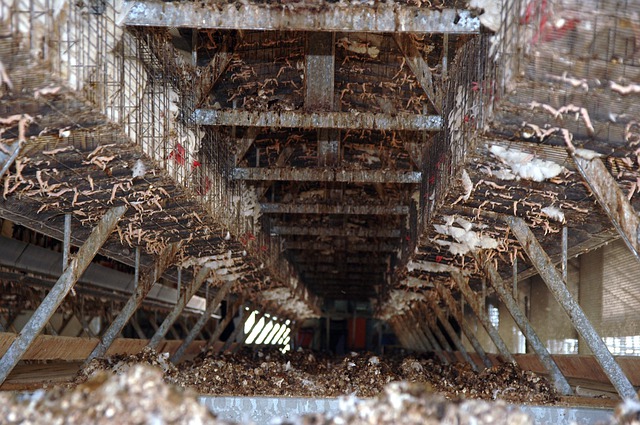
galinhas gaiolas

How CRISPR can create more ethical eggs

por Cornell Alliance for Science
02-03-2021 | 13:00
em Últimas, Internacional, Notícias inovação, Inovação, Dossiers
Tempo De Leitura: 5 mins
A A
Partilhe no FacebookPartilhe no TwitterEnviar para o WhatsappEnviar para o TelegramEnviar para o LinkedIn

Over the past couple of decades, Western consumers have shown an increasing appetite for more ethical eggs. The European Union and a number of American states have banned the use of battery cages for egg-laying hens and the cage-free egg market segment has been growing for years. In some countries, free-range eggs outsell caged eggs and a number of powerful corporations like Walmart and McDonalds have pledged to source and sell only cage-free eggs within the next few years.

The growing popularity of so-called “cruelty-free” eggs is an indicator that and more more consumers want to feel good about what they eat. But there is another ethical dilemma within the global poultry production system that produces the 1.2 trillion and counting eggs consumed each year.

‘Massive financial and ethical challenge’

There are two types of chickens: the broilers that we eat and the layers that produce the eggs. The layers don’t have enough meat to make them useful for human consumption and since only hens can lay eggs, that leaves the male layers useless. As a result, billions of newly hatched male layer chicks are killed each year. If you have the stomach for it, plenty of videos show this not-so-secret practice in gory detail.

Now the Israeli ag-tech startup eggXYt has found a way to humanely address this dilemma through the use of CRISPR — the gene editing technique that allows scientists to make targeted, specific genetic tweaks.

“Every year, 4 billion male chicks are incubated, hatched and manually sexed, only to be disposed of, creating a massive financial and ethical challenge,” eggXYt co-founder and CEO Yehuda Elram told the Alliance for Science.

The process of transporting 8 billion eggs to hatcheries, where they are incubated for three weeks before being manually sex-sorted by workers who then dispose of all of the males, results in a global financial loss of $1 billion, according to eggXYt. And then there’s all the carnage.

Inserting biomarkers

But by using CRISPR, eggXYt’s scientists can edit the genes of chickens to make them lay sex-detectable eggs.

“The chicken is made sex-detectable by inserting a biomarker onto the male sex chromosome,” Elram explained. “The biomarker is able to be picked up by our scanner, which then mechanically sorts the eggs based on the presence of the biomarker. Because the biomarker is only on the male chromosome, only the male chicks receive it.”

Female eggs are unaffected by the edit. So, when those eggs hatch and eventually become layers, they are biologically identical to non-edited hens. The biomarkers in the male eggs, however, can be identified via an electro-optical scanner. The unaltered female eggs give off no signal, but the biomarkers in the male eggs shine a bright yellow.

The eggXYt system works as a “gatekeeper” that keeps the male eggs from ever entering hatcheries in the first place. Instead, they can be sold for consumption or to the pharmaceutical and cosmetics industries. The global egg industry saves the costs and the ethical conundrum of killing half of its product and billions of additional eggs are added to the global market to help meet growing demand.

“EggXYt allows hatcheries to identify the sex of a chick embryo before incubation, in a non-invasive way,” Elram said. “This means that hatcheries are able to save costs on incubating and manually sexing the male chicks, and they are able to create an additional revenue stream from the sale of the non-incubated male eggs.”

The poultry industry can also save on feed costs and improve its food conversion rates. In a video on the company’s website, Elram says the sex-detection technology has the potential to “fundamentally change the economics of the poultry and egg industries.” According to the company, a number of investors have seen the economical potential.

“Our company attracts a lot of investor interest because of our strong impact narrative, our use of cutting edge science and the fact that we are introducing new efficiency into a traditional industry, which creates more value for all players involved and strong financial incentives for them to adopt our solution,” Elram said.

If eggXYt’s gambit succeeds, consumers may one day in the not-too-distant future see egg cartons labelled “culling-free” next to the “free-range” options already on the market. Elram said that both consumers and governments are becoming increasingly aware of the negativity of male chick culling, pointing to pending legislation to ban the practice in Germany, France, Spain and Switzerland. In the US, the United Egg Producers has also called ending chick culling “a priority and […] the right thing to do”.

EggXYt hopes that, in following with the US Department of Agriculture’s decision to not regulate gene-edited plants, its gene-edited eggs will similarly avoid burdensome regulations.

O artigo foi publicado originalmente em Cornell Alliance for Science.

Imprimir Artigo
Publicação Anterior

Seca leva Governo cabo-verdiano a pagar 30% do alimento ao gado na Boa Vista

Próxima Publicação

Água no Algarve vai aumentar e setores que mais consomem também vão pagar

Artigos Relacionados

Nacional

Investigadores alertam para riscos ocupacionais nos bombeiros portugueses – estudo

31/05/2026
Créditos: Jorge Oliveira
Nacional

PCP requer audição urgente do ministro da Agricultura no parlamento

30/05/2026
fogo chamas
Nacional

Incêndios: Médio Tejo entra no verão com mais combustível florestal e milhares de árvores caídas

30/05/2026
Próxima Publicação
terra seca

Água no Algarve vai aumentar e setores que mais consomem também vão pagar

Discussão sobre este post

Opinião

Últimas

Barragens Não Resolvem Desertificação; Resolvem Estatística

por Nuno Mamede Santos
24/05/2026

Ler mais
Últimas

Água, agricultura e adaptação climática no Algarve: estamos a escolher as soluções certas?

por Maria João Sacadura
17/05/2026

Ler mais

Subscrever as nossas newsletteres

Subscrever as nossas Newsletters Agroportal

Verifique na sua caixa de correio ou na pasta de spam para confirmar a sua subscrição.

Comunicados

IVV

Alteração e Prorrogação do prazo de validade das ARCA

29/05/2026

Aprovação do orçamento do Fundo Ambiental para o ano de 2026

29/05/2026
Advertisement

Temas em destaque

Candidaturas PU Guerra Médio Oriente Mercosul ovibeja PAC pós 2027 Simplificação PAC Temporais vinho Água que Une

Eventos

Maio 2026
STQQSSD
     1 2 3
4 5 6 7 8 9 10
11 12 13 14 15 16 17
18 19 20 21 22 23 24
25 26 27 28 29 30 31
« Abr   Jun »

Sobre Nós

O Agroportal.pt é uma plataforma de informação digital que reúne a informação relevante sobre agricultura. Tem um foco na Política Agrícola Comum e a sua aplicação em Portugal.

Menu

  • Quem somos
  • Relatórios anuais
  • Envie-nos informação
  • Publicidade
  • Newsletters
  • Estatuto Editorial
  • Ficha técnica
  • Proteção de Dados Pessoais
  • Disclaimer
Facebook twitter Circle Instagram Rss Feed

© Agroportal. All Rights reserved.

  • Login
  • Registar
Sem Resultado
Ver Todos Os Resultados
  • Sugeridas
  • Notícias
    • Nacional
    • Internacional
    • Comunicados
  • Opinião
  • Eventos
  • Dossiers
    • Agricultura Biológica
    • Apoios
    • Artigos Técnicos
    • Biossoluções
    • Cadeia Alimentar
    • Fertilizantes
    • Financiamento
    • Fitofarmacêuticos
    • Florestas
    • Futuro da PAC
    • Inovação
    • Mercados e Cotações agrícolas
    • Newsletters e Revistas
    • Recomendações Agroflorestais
    • Seguros agrícolas
  • Serviços
    • Diretório
    • Emprego
    • Máquinas Agrícolas
    • Meteorologia
    • Terrenos Agrícolas
    • Arquivo Agroportal

© Agroportal. All Rights reserved.

Bem-Vindo De Volta!

Sign In with Facebook
Sign In with Google
OU

Faça login na sua conta abaixo

Esqueceu-se da senha? Registar

Criar Uma Nova Conta!

Sign Up with Facebook
Sign Up with Google
OU

Preencha os campos abaixo para se registar

* Ao se registar-se no nosso site, você concorda com os Termos e Condições e a Política de Privacidade .
Todos os campos são necessários. Entrar

Obter a sua senha

Indique por favor o seu nome de utilizador ou endereço de E-mail para repor a sua senha.

Entrar
Este site usa cookies. Ao continuar a utilizar este site, está a dar consentimento à utilização de cookies. Visite a nossa Política de Protecção de dados e Cookies.