












Sem Resultado
Ver Todos Os Resultados
Newsletters
Agroportal
  • Login
  • Registar
  • Sugeridas
  • Notícias
    • Notícias
    • Nacional
    • Internacional
    • Comunicados
    navio contentores mar

    UE/Mercosul: Assinado acordo que cria a maior zona de livre-comércio do mundo

    vinha no rio douro

    Deputado do JPP apresenta proposta para valorizar vinhos do Douro

    azeitonas em oliveira

    UE/Mercosul: UE estima aumento de 39% nas exportações totais e de 50% nos agroalimentares

    Créditos: Jorge Oliveira

    UE/Mercosul: Acordo assinado hoje representa “oportunidade” para Portugal

    Municípios do Alqueva esperam que PEAAP permita explorar melhor albufeira

    Alqueva

    Programa especial vai adequar à realidade usos e proteção ambiental do Alqueva

    UE/Mercosul: Mais de duas mil pessoas manifestam-se com tratores em Berlim contra acordo

    "Na melhor das hipóteses, o acordo UE-Mercosul só entra em vigor em outubro"

    vinha açores

    PS/Açores denuncia atrasos no pagamento de apoios à vinha

  • Opinião
    Filipe Corrêa Figueira

    Estão a encurralar os Agricultores… e não vai acabar bem!

    Sinais dos tempos. Notas sobre a PAC e o Acordo UE-Mercosul

    Douro: não há excesso de produção, há excesso de oferta

    António Covas

    A inteligência coletiva territorial da 2ª ruralidade – As áreas de baixa densidade (ABD)

    Jaime Piçarra

    O que marcou 2025 e o que esperar para 2026

    Ines Marques Lopes

    Agribusiness: entre a profissionalização, o investimento e a sustentabilidade

    Biodiversidade da videira

    A doença do Fogo Bacteriano na pereira Rocha já destruiu 31% da produção nacional

    Manuel Chaveiro Soares

    Sobre a modernização das regras relativas ao bem-estar dos frangos

  • Eventos
  • Dossiers

    Dossiers I

    • Agricultura Biológica
    • Apoios
    • Artigos Técnicos
    • Biossoluções
    • Cadeia Alimentar
    • Fertilizantes
    • Financiamento
    • Fitofarmacêuticos

    Dossiers II

    • Florestas
    • Futuro da PAC
    • Inovação
    • Mercados
    • Newsletters e Revistas
    • Recomendações Agroflorestais
    • Seguros

    Últimas

    Almendras: sin apenas cambios en las cotizaciones

    18/01/2026

    Aceite de oliva: entre subidas y repeticiones en los precios

    18/01/2026

    UE/Mercosul: Assinado acordo que cria a maior zona de livre-comércio do mundo

    17/01/2026

    UE/Mercosul: UE estima aumento de 39% nas exportações totais e de 50% nos agroalimentares

    17/01/2026

    UE/Mercosul: Acordo assinado hoje representa “oportunidade” para Portugal

    17/01/2026

    UE/Mercosul: Mais de duas mil pessoas manifestam-se com tratores em Berlim contra acordo

    17/01/2026
  • Serviços
    • Diretório
    • Emprego
    • Máquinas Agrícolas
    • Meteorologia
    • Terrenos Agrícolas
    • Arquivo Agroportal
Agroportal
  • Sugeridas
  • Notícias
    • Notícias
    • Nacional
    • Internacional
    • Comunicados
    navio contentores mar

    UE/Mercosul: Assinado acordo que cria a maior zona de livre-comércio do mundo

    vinha no rio douro

    Deputado do JPP apresenta proposta para valorizar vinhos do Douro

    azeitonas em oliveira

    UE/Mercosul: UE estima aumento de 39% nas exportações totais e de 50% nos agroalimentares

    Créditos: Jorge Oliveira

    UE/Mercosul: Acordo assinado hoje representa “oportunidade” para Portugal

    Municípios do Alqueva esperam que PEAAP permita explorar melhor albufeira

    Alqueva

    Programa especial vai adequar à realidade usos e proteção ambiental do Alqueva

    UE/Mercosul: Mais de duas mil pessoas manifestam-se com tratores em Berlim contra acordo

    "Na melhor das hipóteses, o acordo UE-Mercosul só entra em vigor em outubro"

    vinha açores

    PS/Açores denuncia atrasos no pagamento de apoios à vinha

  • Opinião
    Filipe Corrêa Figueira

    Estão a encurralar os Agricultores… e não vai acabar bem!

    Sinais dos tempos. Notas sobre a PAC e o Acordo UE-Mercosul

    Douro: não há excesso de produção, há excesso de oferta

    António Covas

    A inteligência coletiva territorial da 2ª ruralidade – As áreas de baixa densidade (ABD)

    Jaime Piçarra

    O que marcou 2025 e o que esperar para 2026

    Ines Marques Lopes

    Agribusiness: entre a profissionalização, o investimento e a sustentabilidade

    Biodiversidade da videira

    A doença do Fogo Bacteriano na pereira Rocha já destruiu 31% da produção nacional

    Manuel Chaveiro Soares

    Sobre a modernização das regras relativas ao bem-estar dos frangos

  • Eventos
  • Dossiers

    Dossiers I

    • Agricultura Biológica
    • Apoios
    • Artigos Técnicos
    • Biossoluções
    • Cadeia Alimentar
    • Fertilizantes
    • Financiamento
    • Fitofarmacêuticos

    Dossiers II

    • Florestas
    • Futuro da PAC
    • Inovação
    • Mercados
    • Newsletters e Revistas
    • Recomendações Agroflorestais
    • Seguros

    Últimas

    Almendras: sin apenas cambios en las cotizaciones

    18/01/2026

    Aceite de oliva: entre subidas y repeticiones en los precios

    18/01/2026

    UE/Mercosul: Assinado acordo que cria a maior zona de livre-comércio do mundo

    17/01/2026

    UE/Mercosul: UE estima aumento de 39% nas exportações totais e de 50% nos agroalimentares

    17/01/2026

    UE/Mercosul: Acordo assinado hoje representa “oportunidade” para Portugal

    17/01/2026

    UE/Mercosul: Mais de duas mil pessoas manifestam-se com tratores em Berlim contra acordo

    17/01/2026
  • Serviços
    • Diretório
    • Emprego
    • Máquinas Agrícolas
    • Meteorologia
    • Terrenos Agrícolas
    • Arquivo Agroportal
Sem Resultado
Ver Todos Os Resultados
Agroportal
european commission

Questions and Answers – European Green Deal: Commission prepares new initiatives to boost the organic farming sector

por Comissão Europeia
04-09-2020 | 22:59
em Últimas, Internacional
Tempo De Leitura: 5 mins
A A
Partilhe no FacebookPartilhe no TwitterEnviar para o WhatsappEnviar para o TelegramEnviar para o LinkedIn

What role will the organic sector play in the Green Deal, and more specifically the Farm to fork and biodiversity strategies?

Organic farming is a type of farming supported by the Common Agricultural Policy (CAP) that can help deliver on the sustainability of food production and consumption, whilst also contributing to the protection of nature and reversing the degradation of ecosystems. Organic farming responds to the growing societal demands for quality food produced with high environmental, biodiversity and animal welfare standards. The latter is recognised by the proposals for the future CAP and by the Farm to Fork and Biodiversity strategies. Both strategies therefore include the target of reaching 25% of agricultural land under organic farming in the EU.

The organic farming target is set in conjunction with other targets set out in the Farm-to-Fork and Biodiversity Strategies: in particular, the reduction of the use and risk of pesticides by 50%, and the dedication of 10% of the agricultural area to high-diversity landscapes, which facilitates alternatives to chemical pest control as required in organic farming.

This target reflects the ambition to stimulate organic farming in the EU, which holds great potential for farmers and consumers alike. The benefits of organic farming are associated with its positive impact on the biodiversity, higher returns for the farmers and growing interest from the consumers who recognise its value.

What does the action plan for organic farming consist of?

The upcoming Action Plan aims to accompany the sector in its growth, with the aim of achieving the Farm to Fork and the Biodiversity strategies’ target of at least 25% of European agricultural land under organic farming by 2030.

The Action Plan aims to help Member States stimulate both supply and demand of organic products, ensure consumer’s trust through promotion activities and green public procurement, and respond to the challenges in reaching the target.

It will be organised around three key angles: to stimulate demand for organic products while maintaining consumer trust; to encourage the increase of organic farming area in production in the EU and finally, to enhance the role of organic production in the fight against climate change, including sustainable resource management and the protection of biodiversity.

The action plan will complement the new legal framework for organic agriculture (Regulation (EU) 2018/848).

What tools does the CAP offer to support the sector?

The Commission will focus on stimulating both supply and demand for organic products in order to preserve its advantages and attractiveness for the farmers and to ensure that the Green Deal ambitions are met. To stimulate demand, the EU agri-food promotion policy will be a crucial instrument to promote organic products in the internal market as well as in third countries. In addition, other measures will be taken such as green public procurement and institutional procurement.

In terms of supporting organic agriculture, the new CAP offers to Member States a possibility to support both conversion to and maintenance of organic farming methods.

What are the key aspects of the new legal framework for organic farming?

The new organic rules will replace the current organics regulations. The rules will reflect the changing nature of this rapidly growing sector, also designed to ensure fair competition for farmers whilst preventing fraud and maintaining consumer trust through the following:

  • production rules will be simplified through the phasing out of a number of exceptions and opt-outs;
  • the control system will be strengthened thanks to tighter precautionary measures and robust checks along the entire supply chain;
  • producers in third countries will have to comply with the same set of rules as those producing in the EU;
  • organic rules will cover a wider list of products (e.g. salt, cork, beeswax, maté, vine leaves, palm hearts) and will have additional production rules (e.g. deer, rabbits and poultry);
  • certification will be easier for small farmers thanks to a new system of group certification;
  • there will be a more uniform approach to reducing the risk of accidental contamination from non-authorised substances;
  • production in demarcated beds in greenhouses will be phased out.

What were the requests for a postponement of the entry into application of the new legislation based on?

The postponement was originally requested due to the complexity and importance of the secondary legislation to be adopted before the date of application of the new organic regulation.

These requests were based on two main arguments:

-The degree of detail of these rules and the diversity of the subjects covered require an intensive consultation process with stakeholders, the European Parliament and Member States. The work plan to adopt all secondary legislation was already very demanding, and the coronavirus crisis obliged all actors to concentrate their efforts on other pressing matters, slowing down the consultation process. This is why in particular the European Parliament asked for additional time to ensure a proper scrutiny of the secondary legislation.

-As most secondary acts would be adopted at the end of 2020, it would be very challenging to start applying a brand new regulation a few weeks or days after the publication of the last implementing and delegated acts, particularly in the context of the coronavirus crisis.

In addition, the postponement of entry into force of the new legislation is also important for third countries. It will ensure that they have enough time to adapt to the new rules and are able to continue exporting organic products to the EU.

What is the current legal framework for the Organics sector in the EU?

In 2007, the EU Council agreed Council Regulation 834/2007 setting out the principles, aims and overarching rules of organic production and defining how organic products should be labelled. This Regulation, still in force, is also complemented by several Commission implementing acts on the production, distribution and marketing of organic goods.

All these legislative acts are the legal basis that govern whether goods can be marketed as organic within the EU, including those that have been imported from non-EU countries. The regulations also define how and when the EU organic logo can be used. There are additional specific regulations governing aquaculture and wine production.
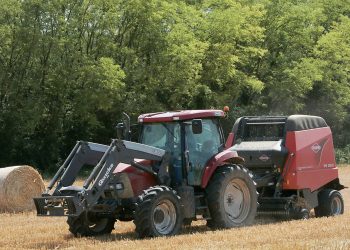
Pacto Ecológico Europeu: Comissão prepara novas iniciativas para impulsionar o setor da agricultura biológica

Imprimir Artigo
Publicação Anterior

Pacto Ecológico Europeu: Comissão prepara novas iniciativas para impulsionar o setor da agricultura biológica

Próxima Publicação

Previsão do tempo para a semana 06 – 12 Setembro

Artigos Relacionados

Filipe Corrêa Figueira
Últimas

Estão a encurralar os Agricultores… e não vai acabar bem!

18/01/2026
navio contentores mar
Internacional

UE/Mercosul: Assinado acordo que cria a maior zona de livre-comércio do mundo

17/01/2026
vinha no rio douro
Nacional

Deputado do JPP apresenta proposta para valorizar vinhos do Douro

17/01/2026
Próxima Publicação

Previsão do tempo para a semana 06 – 12 Setembro

Discussão sobre este post

Opinião

Filipe Corrêa Figueira
Últimas

Estão a encurralar os Agricultores… e não vai acabar bem!

por Filipe Corrêa Figueira
18/01/2026

Ler mais
Últimas

Sinais dos tempos. Notas sobre a PAC e o Acordo UE-Mercosul

por António Themudo Barata
11/01/2026

Ler mais

Subscrever as nossas newsletteres

Subscrever as nossas Newsletters Agroportal

Verifique na sua caixa de correio ou na pasta de spam para confirmar a sua subscrição.

Comunicados

Governo lança apoio de 12,1 milhões de euros para aquisição de máquinas para apoio à gestão florestal e prevenção contra incêndios

16/01/2026

Produtores de leite e de carne preocupados com baixa de preços à produção reclamam medidas do Governo

16/01/2026
Advertisement

Temas em destaque

Candidaturas PU Eleições PAC pós 2027 Presi Simplificação PAC Água que Une

Eventos

Janeiro 2026
STQQSSD
    1 2 3 4
5 6 7 8 9 10 11
12 13 14 15 16 17 18
19 20 21 22 23 24 25
26 27 28 29 30 31  
« Dez   Fev »

Sobre Nós

O Agroportal.pt é uma plataforma de informação digital que reúne a informação relevante sobre agricultura. Tem um foco na Política Agrícola Comum e a sua aplicação em Portugal.

Menu

  • Quem somos
  • Relatórios anuais
  • Envie-nos informação
  • Publicidade
  • Newsletters
  • Estatuto Editorial
  • Ficha técnica
  • Proteção de Dados Pessoais
  • Disclaimer
Facebook twitter Circle Instagram Rss Feed

© Agroportal. All Rights reserved.

  • Login
  • Registar
Sem Resultado
Ver Todos Os Resultados
  • Sugeridas
  • Notícias
    • Nacional
    • Internacional
    • Comunicados
  • Opinião
  • Eventos
  • Dossiers
    • Agricultura Biológica
    • Apoios
    • Artigos Técnicos
    • Biossoluções
    • Cadeia Alimentar
    • Fertilizantes
    • Financiamento
    • Fitofarmacêuticos
    • Florestas
    • Futuro da PAC
    • Inovação
    • Mercados e Cotações agrícolas
    • Newsletters e Revistas
    • Recomendações Agroflorestais
    • Seguros agrícolas
  • Serviços
    • Diretório
    • Emprego
    • Máquinas Agrícolas
    • Meteorologia
    • Terrenos Agrícolas
    • Arquivo Agroportal

© Agroportal. All Rights reserved.

Bem-Vindo De Volta!

Sign In with Facebook
Sign In with Google
OU

Faça login na sua conta abaixo

Esqueceu-se da senha? Registar

Criar Uma Nova Conta!

Sign Up with Facebook
Sign Up with Google
OU

Preencha os campos abaixo para se registar

* Ao se registar-se no nosso site, você concorda com os Termos e Condições e a Política de Privacidade .
Todos os campos são necessários. Entrar

Obter a sua senha

Indique por favor o seu nome de utilizador ou endereço de E-mail para repor a sua senha.

Entrar
Este site usa cookies. Ao continuar a utilizar este site, está a dar consentimento à utilização de cookies. Visite a nossa Política de Protecção de dados e Cookies.