











Sem Resultado
Ver Todos Os Resultados
Newsletters
Agroportal
  • Login
  • Registar
  • Sugeridas
  • Notícias
    • Notícias
    • Nacional
    • Internacional
    • Comunicados
    ipportalegre

    Docente do Politécnico de Portalegre integra Conselho Consultivo para a Promoção da Digitalização da Agricultura

    european commission

    EU ready for summer wildfires

    ICNF reconduz equipa do centro do Lince‑ibérico para garantir “bem-estar” dos animais e sucesso do projeto

    abacate

    “Ouro verde”: espanhóis rendidos ao fruto exótico muito produzido no Algarve que ‘dá’ anos de vida e ajuda o coração

    universidade catolica

    Ciência portuguesa desenvolve soluções biotecnológicas para descontaminar solos e águas residuais

    european commission

    Incêndios florestais: União Europeia mobiliza maior resposta de sempre para o verão de 2026

    Associação Mais Pinhal quer travar no parlamento cortes rasos ao pinhal de Ovar

    Álvaro Mendonça cedida

    CAP acusa Governo de avançar à revelia com Plano Nacional de Restauro da Natureza

    Portugal recebe em julho o maior congresso mundial do azeite

  • Opinião

    Barragens Não Resolvem Desertificação; Resolvem Estatística

    Água, agricultura e adaptação climática no Algarve: estamos a escolher as soluções certas?

    Manuel Chaveiro Soares

    Importa criar condições para melhorar a competitivade agrícola

    António Covas

    O mundo agro rural, entre o bio produtivismo e o pós-produtivismo

    Valorizar o azeite português: um desígnio coletivo para o futuro

    Apoios ao Investimento Agrícola: Permanentes, Estruturados e sem Ilusões

    A Falácia das Taxas: Quem paga aos agricultores pelo carbono que sequestram?

    PARCA: da coragem inicial à impotência institucional

    João Dinis

    Pastores e queijo da serra

  • Eventos
  • Dossiers

    Dossiers I

    • Agricultura Biológica
    • Apoios
    • Artigos Técnicos
    • Biossoluções
    • Cadeia Alimentar
    • Fertilizantes
    • Financiamento
    • Fitofarmacêuticos

    Dossiers II

    • Florestas
    • Futuro da PAC
    • Inovação
    • Mercados
    • Newsletters e Revistas
    • Recomendações Agroflorestais
    • Seguros

    Últimas

    Laboratório colaborativo sediado na UTAD nomeia Luís Rochartre como CTO

    02/06/2026
    universidade catolica

    Ciência portuguesa desenvolve soluções biotecnológicas para descontaminar solos e águas residuais

    02/06/2026

    Lidl faz viajar 28 mil toneladas de sabor português

    02/06/2026

    Governo avança com plano nacional de restaura da natureza à margem do processo que o próprio criou

    02/06/2026

    Notificação da Atividade MPB/PRODI: Novo Sistema de Suporte aos Modos de Produção

    02/06/2026

    Folha Informativa do INIAV – Dois Portos | Edição nº 349

    02/06/2026
  • Serviços
    • Diretório
    • Emprego
    • Máquinas Agrícolas
    • Meteorologia
    • Terrenos Agrícolas
    • Arquivo Agroportal
Agroportal
  • Sugeridas
  • Notícias
    • Notícias
    • Nacional
    • Internacional
    • Comunicados
    ipportalegre

    Docente do Politécnico de Portalegre integra Conselho Consultivo para a Promoção da Digitalização da Agricultura

    european commission

    EU ready for summer wildfires

    ICNF reconduz equipa do centro do Lince‑ibérico para garantir “bem-estar” dos animais e sucesso do projeto

    abacate

    “Ouro verde”: espanhóis rendidos ao fruto exótico muito produzido no Algarve que ‘dá’ anos de vida e ajuda o coração

    universidade catolica

    Ciência portuguesa desenvolve soluções biotecnológicas para descontaminar solos e águas residuais

    european commission

    Incêndios florestais: União Europeia mobiliza maior resposta de sempre para o verão de 2026

    Associação Mais Pinhal quer travar no parlamento cortes rasos ao pinhal de Ovar

    Álvaro Mendonça cedida

    CAP acusa Governo de avançar à revelia com Plano Nacional de Restauro da Natureza

    Portugal recebe em julho o maior congresso mundial do azeite

  • Opinião

    Barragens Não Resolvem Desertificação; Resolvem Estatística

    Água, agricultura e adaptação climática no Algarve: estamos a escolher as soluções certas?

    Manuel Chaveiro Soares

    Importa criar condições para melhorar a competitivade agrícola

    António Covas

    O mundo agro rural, entre o bio produtivismo e o pós-produtivismo

    Valorizar o azeite português: um desígnio coletivo para o futuro

    Apoios ao Investimento Agrícola: Permanentes, Estruturados e sem Ilusões

    A Falácia das Taxas: Quem paga aos agricultores pelo carbono que sequestram?

    PARCA: da coragem inicial à impotência institucional

    João Dinis

    Pastores e queijo da serra

  • Eventos
  • Dossiers

    Dossiers I

    • Agricultura Biológica
    • Apoios
    • Artigos Técnicos
    • Biossoluções
    • Cadeia Alimentar
    • Fertilizantes
    • Financiamento
    • Fitofarmacêuticos

    Dossiers II

    • Florestas
    • Futuro da PAC
    • Inovação
    • Mercados
    • Newsletters e Revistas
    • Recomendações Agroflorestais
    • Seguros

    Últimas

    Laboratório colaborativo sediado na UTAD nomeia Luís Rochartre como CTO

    02/06/2026
    universidade catolica

    Ciência portuguesa desenvolve soluções biotecnológicas para descontaminar solos e águas residuais

    02/06/2026

    Lidl faz viajar 28 mil toneladas de sabor português

    02/06/2026

    Governo avança com plano nacional de restaura da natureza à margem do processo que o próprio criou

    02/06/2026

    Notificação da Atividade MPB/PRODI: Novo Sistema de Suporte aos Modos de Produção

    02/06/2026

    Folha Informativa do INIAV – Dois Portos | Edição nº 349

    02/06/2026
  • Serviços
    • Diretório
    • Emprego
    • Máquinas Agrícolas
    • Meteorologia
    • Terrenos Agrícolas
    • Arquivo Agroportal
Sem Resultado
Ver Todos Os Resultados
Agroportal

Rare crops crucial to protect Europe’s food supply, boost health

por Horizon - EU
28-05-2019 | 22:00
em Internacional
Tempo De Leitura: 6 mins
A A
Partilhe no FacebookPartilhe no TwitterEnviar para o WhatsappEnviar para o TelegramEnviar para o LinkedIn

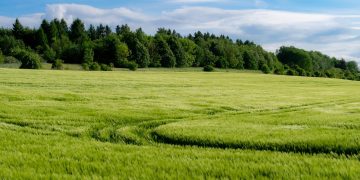
Wheat makes up nearly half of all cereals grown in the EU. The rest is mainly maize and barley.

Although Europe’s strategy to focus on a few high-yielding plants has produced bumper harvests, the lack of genetic variation means the crops are more susceptible to disease, pests and drought, scientists say.

‘If we rely on only one crop we are very vulnerable,’ said Dr Dagmar Janovská, curator of minor crops at the Prague-based Crop Research Institute in the Czech Republic.

‘We should learn from our history and grow a lot of different crops,’ she added, referring to Ireland’s potato famine in the mid-19th century. At the time, most Irish farmers grew just potatoes. When disease wiped out the country’s crop, it led to widespread starvation.

Dr Janovská coordinated a Europe-wide project to help boost the breeding and popularity of minor cereals rye, oat, spelt, emmer and einkorn.

Researchers on the HealthyMinorCereals project evaluated more than 1,700 genotypes – sets of genes in a plant’s DNA – for specific traits including yield, nutritional quality and resistance to disease. They carried out field experiments in Estonia, the UK, the Czech Republic and Crete.

‘We would like to improve breeding programmes in Europe (of minor cereals),’ Dr Janovská said.

The project’s results should help breeders develop varieties of cereal – including common wheat – which are better suited to the changing climate and need fewer pesticides. For example, the researchers found one genotype of spelt that is resistant to a fungus called fusarium head blight.

Globally, more than 6,000 plant species have been cultivated for food, but just nine of these account for 66% of the world’s crop production, according to the UN’s Food and Agriculture Organization (FAO).

Growing a diverse range of crops and cutting the amount of chemical inputs is better for the environment, and the health of the soil. ‘If we harm (Europe’s) ecosystems … we can assume we will have a very big problem in producing any food. Everything is interconnected,’ Dr Janovská said.

‘We should learn from our history and grow a lot of different crops.’

Dr Dagmar Janovská, Crop Research Institute, Prague, Czech Republic

Health-boosting

Some of the minor cereals contain more health-boosting nutrients like iron, zinc and antioxidants compared to common wheat, the researchers found.

‘The more diverse our food, the better. And spelt, rye and oat are very beneficial for our health, for example in lowering cholesterol,’ said Dr Janovská.

They also need fewer chemical inputs and can grow in relatively poor soil.

Common wheat expanded with the mechanisation of farming in the last century. It is high yielding – it produces large quantities of grain per hectare of land – and easy to process into flour.

It has expanded even in countries like the Czech Republic where people traditionally eat rye bread. Wheat makes up more than 60% of cereals grown there now, up from 18% in 1920. Over the same period, rye production has fallen to just 2%, from 35% in 1920, according to Dr Janovská.

‘That change is mainly because wheat is easier to grow,’ said Dr Janovská.

Fears about the lack of diversity on farms are widespread, even affecting traditional farmers working on small farms high up in the Andes mountains in South America. Some of them are ditching a wide variety of crops in favour of quinoa, a lucrative ‘superfood’ which has become popular in Europe and North America.

Taste

Some scientists hope that Europeans – as well as Americans – will expand their taste for other foods from the mountains in Peru, Bolivia and Ecuador.

Many of them, like quinoa, are high in protein and good for vegetarians, diabetics and people with gluten allergies.

‘I think Europe is a great market … because (these kinds of foods are) what people are looking for and what the European market can pay for,’ said Dr Gabriela Alandia Robles, a researcher in high-protein crops at the University of Copenhagen, Denmark.

Europe is the second largest market for quinoa after the United States. Other comparable foods from the Andes could follow a similar trend, she said.

Dr Alandia Robles worked on a project called Latincrop which aimed to increase Andean crops’ production and consumption both locally and in Europe.

Hot on the heels of quinoa is amaranth. The tiny grain has a nutty flavour and can be cooked like risotto rice or made into popcorn.

‘It has the whole range of amino acids that your body needs,’ said Dr Alandia Robles. It also is good for diabetics and people allergic to gluten, and has important amounts of folic acid, calcium, phosphorous and iron, she added.

The Andean lupin also has potential. ‘Europe is looking for a high protein crop, and Andean lupin has as much protein as soya bean – 51%,’ said Dr Alandia Robles. Its beans can be made into a kind of hummus.

One chef promoting these foods in Europe is Simon Brammer who, together with his wife Janice Pelayo Hansen, cook Peruvian food for weddings and corporate events in Denmark. They are passionate about sharing the nutritious foods with as many people as possible.

‘When we started Panca (a food truck) in 2016, it was a totally new thing. Some people hadn’t even heard of Peru … They were surprised by the flavours,’ Pelayo Hansen said.

Their dishes include a spicy chicken dish served with biscuits made from arracacha roots grown around Titicaca lake, and a quinoa salad popular with their vegetarian customers.

Cookbook

If European demand is to grow for both Andean foods and locally grown cereals, people need to know how to cook them. To help with this, the Latincrop project produced a cookbook, and the HealthyMinorCereals project is planning one too.

Dr Janovská’s favourite cereal from the project is spelt. ‘At Christmas we make cookies out of spelt flour, because the taste is better,’ she said, adding that its fibre content makes it healthier.

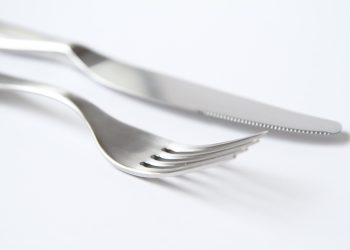
‘We need to improve demand, and then we can ask our farmers to grow it … If you want to improve anything on the field, you have start with the fork,’ she said.

The research in this article was funded by the EU. If you liked this article, please consider sharing it on social media.

Imprimir Artigo
Publicação Anterior

Portugal reforça exportações de frutas para a China

Próxima Publicação

Carta da Lusomorango apela a soluções para problemas no Perímetro de Rega do Mira

Artigos Relacionados

european commission
Internacional

EU ready for summer wildfires

02/06/2026
Últimas

Planting the seeds of sustainability through education

02/06/2026
Grupo Interóleo
Últimas

Interóleo sitúa al olivar como aliado estratégico frente al cambio climático

01/06/2026
Próxima Publicação

Carta da Lusomorango apela a soluções para problemas no Perímetro de Rega do Mira

Discussão sobre este post

Opinião

Últimas

Barragens Não Resolvem Desertificação; Resolvem Estatística

por Nuno Mamede Santos
24/05/2026

Ler maisDetails
Últimas

Água, agricultura e adaptação climática no Algarve: estamos a escolher as soluções certas?

por Maria João Sacadura
17/05/2026

Ler maisDetails

Subscrever as nossas newsletteres

Subscrever as nossas Newsletters Agroportal

Verifique na sua caixa de correio ou na pasta de spam para confirmar a sua subscrição.

Comunicados

ipportalegre

Docente do Politécnico de Portalegre integra Conselho Consultivo para a Promoção da Digitalização da Agricultura

02/06/2026
universidade catolica

Ciência portuguesa desenvolve soluções biotecnológicas para descontaminar solos e águas residuais

02/06/2026
Advertisement

Temas em destaque

Candidaturas PU Guerra Médio Oriente Mercosul ovibeja PAC pós 2027 Simplificação PAC Temporais vinho Água que Une

Eventos

Junho 2026
STQQSSD
1 2 3 4 5 6 7
8 9 10 11 12 13 14
15 16 17 18 19 20 21
22 23 24 25 26 27 28
29 30      
« Mai   Jul »

Sobre Nós

O Agroportal.pt é uma plataforma de informação digital que reúne a informação relevante sobre agricultura. Tem um foco na Política Agrícola Comum e a sua aplicação em Portugal.

Menu

  • Quem somos
  • Relatórios anuais
  • Envie-nos informação
  • Publicidade
  • Newsletters
  • Estatuto Editorial
  • Ficha técnica
  • Proteção de Dados Pessoais
  • Disclaimer
Facebook twitter Circle Instagram Rss Feed

© Agroportal. All Rights reserved.

Bem-Vindo De Volta!

Sign In with Facebook
Sign In with Google
OR

Faça login na sua conta abaixo

Esqueceu-se da senha? Registar

Criar Uma Nova Conta!

Sign Up with Facebook
Sign Up with Google
OR

Preencha os campos abaixo para se registar

* Ao se registar-se no nosso site, você concorda com os Termos e Condições e a Política de Privacidade .
Todos os campos são necessários. Entrar

Obter a sua senha

Indique por favor o seu nome de utilizador ou endereço de E-mail para repor a sua senha.

Entrar
  • Login
  • Registar
Sem Resultado
Ver Todos Os Resultados
  • Sugeridas
  • Notícias
    • Nacional
    • Internacional
    • Comunicados
  • Opinião
  • Eventos
  • Dossiers
    • Agricultura Biológica
    • Apoios
    • Artigos Técnicos
    • Biossoluções
    • Cadeia Alimentar
    • Fertilizantes
    • Financiamento
    • Fitofarmacêuticos
    • Florestas
    • Futuro da PAC
    • Inovação
    • Mercados e Cotações agrícolas
    • Newsletters e Revistas
    • Recomendações Agroflorestais
    • Seguros agrícolas
  • Serviços
    • Diretório
    • Emprego
    • Máquinas Agrícolas
    • Meteorologia
    • Terrenos Agrícolas
    • Arquivo Agroportal

© Agroportal. All Rights reserved.

Este site usa cookies. Ao continuar a utilizar este site, está a dar consentimento à utilização de cookies. Visite a nossa Política de Protecção de dados e Cookies.