















Sem Resultado
Ver Todos Os Resultados
Newsletters
Agroportal
  • Login
  • Registar
  • Sugeridas
  • Notícias
    • Notícias
    • Nacional
    • Internacional
    • Comunicados
    Créditos: Jorge Oliveira

    “Insistimos na necessidade de eliminar quaisquer cortes na PAC”

    Gronelândia: Trump tem muito a perder com imposição de sobretaxas – ministra francesa

    UE-Mercosul: Preocupação, otimismo e fiscalização

    A Quadratura do Círculo Agro – Rui Veríssimo Batista

    navio contentores mar

    UE/Mercosul: Assinado acordo que cria a maior zona de livre-comércio do mundo

    canabis

    Iberfar quer chegar aos 200 milhões com canábis medicinal

    vinha no rio douro

    Deputado do JPP apresenta proposta para valorizar vinhos do Douro

    azeitonas em oliveira

    UE/Mercosul: UE estima aumento de 39% nas exportações totais e de 50% nos agroalimentares

    Créditos: Jorge Oliveira

    UE/Mercosul: Acordo assinado hoje representa “oportunidade” para Portugal

  • Opinião
    Filipe Corrêa Figueira

    Estão a encurralar os Agricultores… e não vai acabar bem!

    Sinais dos tempos. Notas sobre a PAC e o Acordo UE-Mercosul

    Douro: não há excesso de produção, há excesso de oferta

    António Covas

    A inteligência coletiva territorial da 2ª ruralidade – As áreas de baixa densidade (ABD)

    Jaime Piçarra

    O que marcou 2025 e o que esperar para 2026

    Ines Marques Lopes

    Agribusiness: entre a profissionalização, o investimento e a sustentabilidade

    Biodiversidade da videira

    A doença do Fogo Bacteriano na pereira Rocha já destruiu 31% da produção nacional

    Manuel Chaveiro Soares

    Sobre a modernização das regras relativas ao bem-estar dos frangos

  • Eventos
  • Dossiers

    Dossiers I

    • Agricultura Biológica
    • Apoios
    • Artigos Técnicos
    • Biossoluções
    • Cadeia Alimentar
    • Fertilizantes
    • Financiamento
    • Fitofarmacêuticos

    Dossiers II

    • Florestas
    • Futuro da PAC
    • Inovação
    • Mercados
    • Newsletters e Revistas
    • Recomendações Agroflorestais
    • Seguros

    Últimas

    Predominio de las repeticiones en el mercado de las canales de vacuno

    18/01/2026

    Corderos: bajan los pequeños y el resto repiten

    18/01/2026

    “Insistimos na necessidade de eliminar quaisquer cortes na PAC”

    18/01/2026

    Almendras: sin apenas cambios en las cotizaciones

    18/01/2026

    Aceite de oliva: entre subidas y repeticiones en los precios

    18/01/2026

    Gronelândia: Trump tem muito a perder com imposição de sobretaxas – ministra francesa

    18/01/2026
  • Serviços
    • Diretório
    • Emprego
    • Máquinas Agrícolas
    • Meteorologia
    • Terrenos Agrícolas
    • Arquivo Agroportal
Agroportal
  • Sugeridas
  • Notícias
    • Notícias
    • Nacional
    • Internacional
    • Comunicados
    Créditos: Jorge Oliveira

    “Insistimos na necessidade de eliminar quaisquer cortes na PAC”

    Gronelândia: Trump tem muito a perder com imposição de sobretaxas – ministra francesa

    UE-Mercosul: Preocupação, otimismo e fiscalização

    A Quadratura do Círculo Agro – Rui Veríssimo Batista

    navio contentores mar

    UE/Mercosul: Assinado acordo que cria a maior zona de livre-comércio do mundo

    canabis

    Iberfar quer chegar aos 200 milhões com canábis medicinal

    vinha no rio douro

    Deputado do JPP apresenta proposta para valorizar vinhos do Douro

    azeitonas em oliveira

    UE/Mercosul: UE estima aumento de 39% nas exportações totais e de 50% nos agroalimentares

    Créditos: Jorge Oliveira

    UE/Mercosul: Acordo assinado hoje representa “oportunidade” para Portugal

  • Opinião
    Filipe Corrêa Figueira

    Estão a encurralar os Agricultores… e não vai acabar bem!

    Sinais dos tempos. Notas sobre a PAC e o Acordo UE-Mercosul

    Douro: não há excesso de produção, há excesso de oferta

    António Covas

    A inteligência coletiva territorial da 2ª ruralidade – As áreas de baixa densidade (ABD)

    Jaime Piçarra

    O que marcou 2025 e o que esperar para 2026

    Ines Marques Lopes

    Agribusiness: entre a profissionalização, o investimento e a sustentabilidade

    Biodiversidade da videira

    A doença do Fogo Bacteriano na pereira Rocha já destruiu 31% da produção nacional

    Manuel Chaveiro Soares

    Sobre a modernização das regras relativas ao bem-estar dos frangos

  • Eventos
  • Dossiers

    Dossiers I

    • Agricultura Biológica
    • Apoios
    • Artigos Técnicos
    • Biossoluções
    • Cadeia Alimentar
    • Fertilizantes
    • Financiamento
    • Fitofarmacêuticos

    Dossiers II

    • Florestas
    • Futuro da PAC
    • Inovação
    • Mercados
    • Newsletters e Revistas
    • Recomendações Agroflorestais
    • Seguros

    Últimas

    Predominio de las repeticiones en el mercado de las canales de vacuno

    18/01/2026

    Corderos: bajan los pequeños y el resto repiten

    18/01/2026

    “Insistimos na necessidade de eliminar quaisquer cortes na PAC”

    18/01/2026

    Almendras: sin apenas cambios en las cotizaciones

    18/01/2026

    Aceite de oliva: entre subidas y repeticiones en los precios

    18/01/2026

    Gronelândia: Trump tem muito a perder com imposição de sobretaxas – ministra francesa

    18/01/2026
  • Serviços
    • Diretório
    • Emprego
    • Máquinas Agrícolas
    • Meteorologia
    • Terrenos Agrícolas
    • Arquivo Agroportal
Sem Resultado
Ver Todos Os Resultados
Agroportal

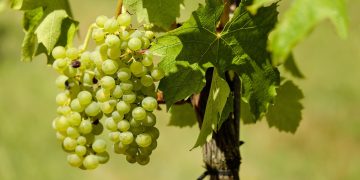
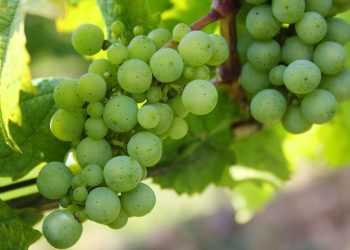
Vineyards of the future will produce more than wine

por Horizon - EU
02-11-2023 | 12:13
em Últimas, Internacional
Tempo De Leitura: 6 mins
A A
Partilhe no FacebookPartilhe no TwitterEnviar para o WhatsappEnviar para o TelegramEnviar para o LinkedIn

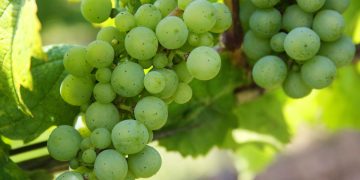
In Palmela, a wine region near Portugal’s capital Lisbon, Miguel Cachão is focused on an unusual aspect of the autumn harvest.

He’s developing a technology for wineries to capture carbon dioxide and use it to grow algae. The CO2, produced when grape juice ferments, can cultivate a nutrient-rich freshwater algae called chlorella that has uses in animal feed, cosmetics, food supplements and wine production.

Economic, cultural motives

Winegrowers across Europe face twin squeezes from extreme weather caused by climate change and from heightened overseas competition. In Portugal, side income for the wine industry would also have cultural significance.

‘It’s such a big part of people’s lives, so even if a vineyard isn’t big or profitable, it’s important for them to keep producing,’ said Cachão, an agronomic engineer at the Association of Wine Growers of the Municipality of Palmela.

The Portuguese drink more wine per person than anyone else in the world, according to a 2021 study. Communities in the country have a strong bond with their local vineyards going back generations.

The EU itself is the world’s top producer of wine, accounting for almost half of global wine-growing areas in 2020.

Portugal, with its renowned full-bodied Douro reds and fresh Vinho Verde whites, ranks as Europe’s fifth-biggest wine producer.

Finding an extra source of income could save wineries in Europe from closure.

Algae profits

Cachão leads a research project that received EU funding to pioneer the technique of using CO2 to grow chlorella at wineries. Chlorella is a type of green algae whose photosynthetic qualities make it a source of food and energy. It’s also rich in antioxidants useful for the cosmetics industry.

Chlorella needs CO2, sunlight and water to grow. It converts sunlight into chemical energy needed to make carbohydrates, proteins and other compounds.

The process could generate more than €15 million a year for a winery with annual volumes of at least 7 million litres of wine – the amount of a large European producer.

“The algae importantly locks the CO2 in.

Miguel Cachão, REDWine

It could also cut wine producers’ greenhouse-gas emissions by at least 30%, according to the project. Called REDWine, it runs for four years until the end of April 2025 and is part of an initiative by the EU and industry called the Circular Bio-based Europe Joint Undertaking, or CBE JU.

The first demonstration unit will be ready at the end of 2023, according to Cachão, who coordinates REDWine.

It will be built about 100 metres from a local winery. A pipe will transport CO2 from the winery’s grape-fermentation tanks to the unit for compression. The CO2 will then be liquefied for storage and be ready for use in growing chlorella.

‘My hope is that we can show it’s viable for wineries of all sizes – small, medium and large – to use,’ he said.

Some wineries in Europe and elsewhere already capture CO2 and use it to protect their newly harvested grapes from oxidation, a process that can affect the final colour and aroma of wine. They also convert it into calcium carbonate to reduce the acidity of soil.

Locked-in CO2

But with both of these processes, the CO2 ends up back in the atmosphere, according to Cachão.

‘The algae importantly locks the CO2 in,’ he said.

REDWine involves 12 companies and other organisations in six countries: France, Germany, Ireland, the Netherlands, Portugal and Spain.

The participating companies include Algama, a French maker of foods from algae, and Spain-based Lipotec, a specialist in active ingredients for cosmetics.

Skins and seeds

Other potentially useful elements in winemaking are the leftovers from pressed grapes: the skins, pulp and seeds.

They’re full of naturally occurring chemicals that protect the grapes from sun damage and pests.

“We can extract this arsenal of compounds and make useful products.

Professor Marta Lores, NeoGiANT

Grape skins, pulp and seeds offer the prospect of healthy alternatives to antibiotics.

An EU-funded research project called NeoGiANT is developing natural therapies to help curb the use of antibiotics on animal and fish farms.

The project reflects growing concerns that resistance to antibiotics in animals and people is growing as a result of overuse in livestock and aquaculture.

‘Using them in healthy animals to prevent disease and infection – and not just as a treatment – has resulted in one of the biggest problems of our day: antibiotic resistance,’ said Marta Lores, a professor of analytical chemistry at the University of Santiago de Compostela in Spain.

Antibiotic substitutes

She coordinates NeoGiANT, which runs for four years through September 2025 and brings together universities, research institutes, farming representatives and companies from nine countries.

Partners come from Belgium, the Czech Republic, Germany, Hungary, Poland, Portugal and Spain and – outside the EU – Argentina and the UK.

Antimicrobial resistance occurs when bacteria, viruses, fungi and parasites change over time and no longer respond to medicines, making infections harder to treat and increasing the risk of disease spread, severe illness and death, according to the World Health Organization.

The NeoGiANT researchers are extracting antioxidants and eubiotics – additives that improve the gut health of animals – to use in feed. The goal is to make animals more resilient to infection and disease.

‘We can extract this arsenal of compounds and make useful products from them,’ said Lores.

The grape waste is also yielding treatments for some of the most common animal diseases including mastitis – a mammary gland inflammation – in cows, post-weaning diarrhoea in pigs and a skin disease called exudative epidermitis in piglets. These are currently mainly treated using antibiotics.

In addition, the project aims to substitute antibiotics for antimicrobial extracts in semen extenders. These are preservatives that prolong the life of semen collected for artificial insemination in livestock farming.

If all these compounds are successful, 12 new products will be ready for market by the end of the project.

Lores expects most of the planned products to be successful. But she said that, even if the total ends up being less than a dozen, the research effort will have been worthwhile.

‘If only one of the products is marketed, that will mean fewer antibiotics used,’ Lores said. ‘In the end, all will benefit. The healthier the livestock, the healthier the food humans are eating.’

Research in this article was funded by the EU. The views of the interviewees don’t necessarily reflect those of the European Commission. If you liked this article, please consider sharing it on social media.

O artigo foi publicado originalmente em Horizon, the EU Research and Innovation Magazine.
Imprimir Artigo
Publicação Anterior

Preço do azeite aumentou 75% desde janeiro de 2021

Próxima Publicação

Como podemos “guardar a água que vem do céu”? Há várias “soluções”, o “entrave” é o custo

Artigos Relacionados

Créditos: Jorge Oliveira
Instituições e EM

“Insistimos na necessidade de eliminar quaisquer cortes na PAC”

18/01/2026
faça chuva faça sol
Últimas

Faça Chuva Faça Sol – T10 Ep.2

18/01/2026
Últimas

Gronelândia: Trump tem muito a perder com imposição de sobretaxas – ministra francesa

18/01/2026
Próxima Publicação

Como podemos “guardar a água que vem do céu”? Há várias “soluções”, o “entrave” é o custo

Opinião

Filipe Corrêa Figueira
Últimas

Estão a encurralar os Agricultores… e não vai acabar bem!

por Filipe Corrêa Figueira
18/01/2026

Ler mais
Últimas

Sinais dos tempos. Notas sobre a PAC e o Acordo UE-Mercosul

por António Themudo Barata
11/01/2026

Ler mais

Subscrever as nossas newsletteres

Subscrever as nossas Newsletters Agroportal

Verifique na sua caixa de correio ou na pasta de spam para confirmar a sua subscrição.

Comunicados

Governo lança apoio de 12,1 milhões de euros para aquisição de máquinas para apoio à gestão florestal e prevenção contra incêndios

16/01/2026

Produtores de leite e de carne preocupados com baixa de preços à produção reclamam medidas do Governo

16/01/2026
Advertisement

Temas em destaque

Candidaturas PU Eleições PAC pós 2027 Presi Simplificação PAC Água que Une

Eventos

Janeiro 2026
STQQSSD
    1 2 3 4
5 6 7 8 9 10 11
12 13 14 15 16 17 18
19 20 21 22 23 24 25
26 27 28 29 30 31  
« Dez   Fev »

Sobre Nós

O Agroportal.pt é uma plataforma de informação digital que reúne a informação relevante sobre agricultura. Tem um foco na Política Agrícola Comum e a sua aplicação em Portugal.

Menu

  • Quem somos
  • Relatórios anuais
  • Envie-nos informação
  • Publicidade
  • Newsletters
  • Estatuto Editorial
  • Ficha técnica
  • Proteção de Dados Pessoais
  • Disclaimer
Facebook twitter Circle Instagram Rss Feed

© Agroportal. All Rights reserved.

  • Login
  • Registar
Sem Resultado
Ver Todos Os Resultados
  • Sugeridas
  • Notícias
    • Nacional
    • Internacional
    • Comunicados
  • Opinião
  • Eventos
  • Dossiers
    • Agricultura Biológica
    • Apoios
    • Artigos Técnicos
    • Biossoluções
    • Cadeia Alimentar
    • Fertilizantes
    • Financiamento
    • Fitofarmacêuticos
    • Florestas
    • Futuro da PAC
    • Inovação
    • Mercados e Cotações agrícolas
    • Newsletters e Revistas
    • Recomendações Agroflorestais
    • Seguros agrícolas
  • Serviços
    • Diretório
    • Emprego
    • Máquinas Agrícolas
    • Meteorologia
    • Terrenos Agrícolas
    • Arquivo Agroportal

© Agroportal. All Rights reserved.

Bem-Vindo De Volta!

Sign In with Facebook
Sign In with Google
OU

Faça login na sua conta abaixo

Esqueceu-se da senha? Registar

Criar Uma Nova Conta!

Sign Up with Facebook
Sign Up with Google
OU

Preencha os campos abaixo para se registar

* Ao se registar-se no nosso site, você concorda com os Termos e Condições e a Política de Privacidade .
Todos os campos são necessários. Entrar

Obter a sua senha

Indique por favor o seu nome de utilizador ou endereço de E-mail para repor a sua senha.

Entrar
Este site usa cookies. Ao continuar a utilizar este site, está a dar consentimento à utilização de cookies. Visite a nossa Política de Protecção de dados e Cookies.