











Sem Resultado
Ver Todos Os Resultados
Newsletters
Agroportal
  • Login
  • Registar
  • Sugeridas
  • Notícias
    • Notícias
    • Nacional
    • Internacional
    • Comunicados

    IFCN no 10.º Congresso Florestal Nacional em Coimbra

    Açores lançam concurso para revisão do Plano de Ordenamento do Território

    Ovelhas e cabras fazem manutenção natural de empreendimento turístico em Silves

    Adega do Douro Superior foi “tábua de salvação” para produtores vitícolas do território

    jovens agricultores

    Seminário em Ponte de Lima a 7 de Outubro aborda investimento de jovens agricultores

    Os queijeiros franceses enfrentam uma ameaça crescente

    PS/Flores denuncia falhas no transporte marítimo de gado vivo

    Já se encontra disponível a 16.ª edição do INFOBIO

    Riscos climáticos relacionados com incêndios não afetam perfis de crédito do setor bancário, diz DBRS

  • Opinião

    Estamos a exportar Portugal ou a desvalorizar o azeite português?

    AIGP: fracasso ou sucesso?

    Microrganismos ao serviço de uma agricultura mais sustentável

    O problema da floresta não é apenas florestal

    Solo: A Infraestrutura Invisível da Adaptação Climática

    Ibéria: a terra prometida a quem?

    O Impacto da agricultura regenerativa sobre os resultados económicos das explorações agrícolas

    Ibéria – a terra prometida

    O dia em que a Europa descobrir o elevado preço de não produzir

  • Eventos
  • Dossiers

    Dossiers I

    • Agricultura Biológica
    • Apoios
    • Artigos Técnicos
    • Biossoluções
    • Cadeia Alimentar
    • Fertilizantes
    • Financiamento
    • Fitofarmacêuticos

    Dossiers II

    • Florestas
    • Futuro da PAC
    • Inovação
    • Mercados
    • Newsletters e Revistas
    • Recomendações Agroflorestais
    • Seguros

    Últimas

    arvores floresta céu

    Incêndios: Governante confiante numa floresta mais protegida no próximo verão

    02/10/2026

    NTG | CRISPR permite modificar geneticamente uma planta forrageira e abre novas perspetivas para o melhoramento vegetal

    02/10/2026

    NTG | EPSO destaca o papel da ciência das plantas na estratégia europeia para a bioeconomia

    02/10/2026

    Governo prolonga apoios à apicultura com 3,3 milhões de euros

    02/10/2026

    Alterações climáticas | Girassóis mais resistentes à seca e ao calor estão a ser desenvolvidos na Europa

    02/10/2026

    Governo prolonga apoios à apicultura com novo concurso de 3,3 milhões de euros

    02/10/2026
  • Serviços
    • Diretório
    • Emprego
    • Máquinas Agrícolas
    • Meteorologia
    • Terrenos Agrícolas
    • Arquivo Agroportal
Agroportal
  • Sugeridas
  • Notícias
    • Notícias
    • Nacional
    • Internacional
    • Comunicados

    IFCN no 10.º Congresso Florestal Nacional em Coimbra

    Açores lançam concurso para revisão do Plano de Ordenamento do Território

    Ovelhas e cabras fazem manutenção natural de empreendimento turístico em Silves

    Adega do Douro Superior foi “tábua de salvação” para produtores vitícolas do território

    jovens agricultores

    Seminário em Ponte de Lima a 7 de Outubro aborda investimento de jovens agricultores

    Os queijeiros franceses enfrentam uma ameaça crescente

    PS/Flores denuncia falhas no transporte marítimo de gado vivo

    Já se encontra disponível a 16.ª edição do INFOBIO

    Riscos climáticos relacionados com incêndios não afetam perfis de crédito do setor bancário, diz DBRS

  • Opinião

    Estamos a exportar Portugal ou a desvalorizar o azeite português?

    AIGP: fracasso ou sucesso?

    Microrganismos ao serviço de uma agricultura mais sustentável

    O problema da floresta não é apenas florestal

    Solo: A Infraestrutura Invisível da Adaptação Climática

    Ibéria: a terra prometida a quem?

    O Impacto da agricultura regenerativa sobre os resultados económicos das explorações agrícolas

    Ibéria – a terra prometida

    O dia em que a Europa descobrir o elevado preço de não produzir

  • Eventos
  • Dossiers

    Dossiers I

    • Agricultura Biológica
    • Apoios
    • Artigos Técnicos
    • Biossoluções
    • Cadeia Alimentar
    • Fertilizantes
    • Financiamento
    • Fitofarmacêuticos

    Dossiers II

    • Florestas
    • Futuro da PAC
    • Inovação
    • Mercados
    • Newsletters e Revistas
    • Recomendações Agroflorestais
    • Seguros

    Últimas

    arvores floresta céu

    Incêndios: Governante confiante numa floresta mais protegida no próximo verão

    02/10/2026

    NTG | CRISPR permite modificar geneticamente uma planta forrageira e abre novas perspetivas para o melhoramento vegetal

    02/10/2026

    NTG | EPSO destaca o papel da ciência das plantas na estratégia europeia para a bioeconomia

    02/10/2026

    Governo prolonga apoios à apicultura com 3,3 milhões de euros

    02/10/2026

    Alterações climáticas | Girassóis mais resistentes à seca e ao calor estão a ser desenvolvidos na Europa

    02/10/2026

    Governo prolonga apoios à apicultura com novo concurso de 3,3 milhões de euros

    02/10/2026
  • Serviços
    • Diretório
    • Emprego
    • Máquinas Agrícolas
    • Meteorologia
    • Terrenos Agrícolas
    • Arquivo Agroportal
Sem Resultado
Ver Todos Os Resultados
Agroportal

Microalgae promise abundant healthy food and feed in any environment

por Horizon - EU
16-09-2022 | 08:13
em Internacional, Últimas
Tempo De Leitura: 5 mins
A A
Partilhe no FacebookPartilhe no TwitterEnviar para o WhatsappEnviar para o TelegramEnviar para o LinkedIn

Global food supply faces a range of threats including climate change, wars, pests and diseases. An organism too small for the human eye to see – microalgae – could offer some answers.

Feeding a growing world population that will reach 9.8 billion by 2050, according to United Nations forecasts, and the need to conserve natural resources for generations to come may seem conflicting at first.

But a solution, while not yet in sight, is certainly not out of reach. European scientists recently have developed an appetite for microalgae, also called phytoplankton, a sub-group of algae consisting of unicellular photosynthetic microorganisms.

Most people are familiar with the largest form of algae, kelp or seaweed. It can grow up to three metres long and, in some forms, is a well-known delicacy. The related species microalgae, which can be found in both seawater and freshwater, have gained attention in research due to their extraordinary properties.

These microscopic organisms can be used for animal feed, particularly in aquaculture, and various foods including pasta, vegan sausages, energy bars, bakery products and vegetable creams.

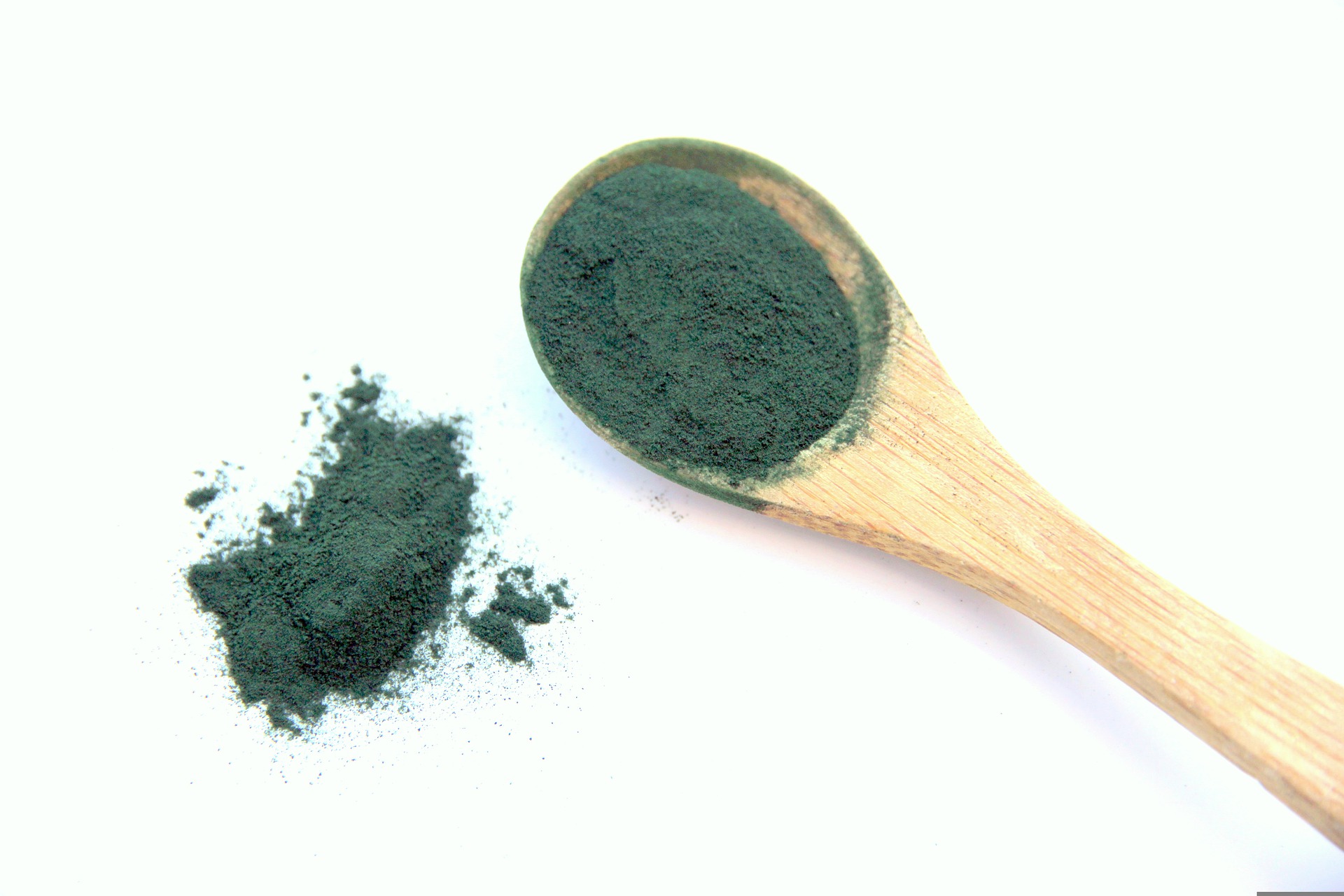
Most commercial microalgae cultivation centres on the production of dried biomass such as chlorella or spirulina powder as a food providing considerable health benefits. Some microalgae strains not only accumulate up to 65–70% of protein but also are sustainable sources of omega-3 fatty acids – a substance that is conventionally derived mainly from fish and fish oil.

Additional bioactive compounds, such as vitamins B12, K or D, mean microalgae contain significant health properties, potentially reducing the risk of cancer and cardiovascular illness.

Desert algae

‘Microalgae can be cultivated in many different locations, under very different conditions,’ said Massimo Castellari, who is involved in the Horizon-funded ProFuture project aimed at scaling up microalgae production. ‘We can grow it in Iceland and in a desert climate.’

The technologies for the intensive cultivation of microalgae have been in development since the 1950s.

Today, microalgae are cultivated in open- or closed-system photobioreactors, which are vessels designed to control biomass production. The closed-system version, while more expensive to build, offers more control over experimental parameters and less risk of contamination.

The substance is by no means just a trendy food supplement. For example, in Chad, a landlocked, low-income country, the consumption of spirulina harvested from Lake Chad has significantly improved people’s nutritional status because spirulina is an excellent source of proteins and micronutrients.

On top of its nutritional value, microalgae offer climate benefits by sequestering carbon dioxide as well as economic advantages by using farming areas more efficiently and – through the use of non-arable land – expanding the possibility of biomass production.

With a total of less than 57 000 tonnes cultivated in 2019, according to the UN Food and Agriculture Organization (FAO), production of microalgae is still very much in its early stages. By comparison, primary-crop output was 9.4 billion tonnes in 2019.

Food inflation

Russia’s continuing war in Ukraine has highlighted just how vulnerable global food supply can be. Halts to Ukrainian grain exports and increases in energy prices have helped push food inflation around the world to record highs, with developing countries being hit disproportionately hard. In May this year, costs for food had risen by 42% compared with 2014-2016, the UN reported.

Last year, as many as 828 million people were affected by hunger – an increase of roughly 46 million compared with 2020 and a surge of 150 million since the outbreak of the COVID-19 pandemic.

The FAO projects that some 670 million people will still face hunger by the end of the decade.

While the benefits of cultivating organic microalgae for food and feed are substantial, market growth will require overcoming obstacles including a lack of automated production in the industry, according to Castellari, who works at the Institute of Agrifood Research and Technology in Barcelona, Spain.

‘The automatisation is still not completely implemented,’ he said. ‘There are small producers in Europe – many steps still involve manual labour. So they are still working on optimising the process.’

Processed biomass

The challenges go well beyond cultivation. With microalgae, biomass has to be processed, cleaned and dried before a usable powder can be obtained. The next step is to scale up production to drive down costs.

In addition, there are regulatory challenges. Only a few species of microalgae are currently authorised in the European Union.

‘In Europe it’s still in a preliminary stage of development,’ said Castellari. ‘There are thousands of species of microalgae, but for food consumption or feed there are only seven species authorised.’

To gain knowledge about the possibilities to use other species, Castellari and his team are also investigating these other kinds of microalgae.

Due to these challenges, the portfolio of products containing microalgae remains limited today. But, if these hurdles can be overcome, the overall prospects for the microalgae industry are promising. Besides being a source of food and feed, the plant can be used for biofuels, cosmetics, fertiliser and health supplements.

Astaxanthin, a blood-red pigment extracted from algae, already has notable uses. A powerful antioxidant, astaxanthin can be found in seafood and is commonly used to colour shrimp. It is also sold in the form of pills as a food supplement.

Astaxanthin is thought to have potentially a positive impact on brain function, athletic performance and ageing skin, among other things.

Matteo Ballottari, associate professor of biotechnology at the University of Verona in Italy, helped start the European Research Council’s Horizon-funded project AstaOmega simultaneously to produce astaxanthin and omega-3 fatty acids in microalgae for aquaculture and human nutrition.

Quality and quantity 

Most omega-3 supplements are derived from fish oils. This, however, raises sustainability concerns such as damage to marine ecosystems as a result of overfishing.

‘There is more demand for eating high-quality foods, along with an awareness for incorporating omega-3 rich ingredients in our diets,’ Ballottari said. Responding to this trend while feeding a growing world population is ‘a big challenge,’ he said.

Meanwhile, on the astaxanthin front, the AstaOmega researchers have made progress. They have been able to obtain a new strain that can produce astaxanthin on its own, without needing to be “stressed”. This means the researchers don’t have to change production parameters such as light intensity, temperature or nitrates concentration. Also, extracting the substance has become easier, resulting in lower costs.

Scientists agree that microalgae have the potential to change the ways in which we eat for the better.

‘Microalgae can help us to increase the protein production within Europe to reduce our dependence on other countries,’ said Castellari of the ProFuture project.

O artigo foi publicado originalmente em Horizon, the EU Research and Innovation Magazine.
Imprimir Artigo
Publicação Anterior

XIV Simpósio SCS – 18 de novembro – Santarém

Próxima Publicação

Rio Zêzere pleno de cinzas dos incêndios. Quercus quer fiscalização das águas

Artigos Relacionados

Nacional

IFCN no 10.º Congresso Florestal Nacional em Coimbra

04/10/2026
Nacional

Açores lançam concurso para revisão do Plano de Ordenamento do Território

04/10/2026
Últimas

Estamos a exportar Portugal ou a desvalorizar o azeite português?

04/10/2026
Próxima Publicação

Rio Zêzere pleno de cinzas dos incêndios. Quercus quer fiscalização das águas

Opinião

Últimas

Estamos a exportar Portugal ou a desvalorizar o azeite português?

por Francisco António Vilela Ribeiro
04/10/2026

Ler maisDetails
Últimas

AIGP: fracasso ou sucesso?

por José Martino
30/09/2026

Ler maisDetails

Subscrever as nossas newsletteres

Subscrever as nossas Newsletters Agroportal

Verifique na sua caixa de correio ou na pasta de spam para confirmar a sua subscrição.

Comunicados

Já se encontra disponível a 16.ª edição do INFOBIO

03/10/2026
Corteva

Corteva inicia um novo capítulo como líder global de proteção das culturas, focada e orientada para a inovação

02/10/2026
Advertisement

Temas em destaque

Candidaturas PU Global Agri Forum 2026 Guerra Médio Oriente Mercosul ovibeja PAC pós 2027 Simplificação PAC Temporais vinho Água que Une

Eventos

Outubro 2026
STQQSSD
    1 2 3 4
5 6 7 8 9 10 11
12 13 14 15 16 17 18
19 20 21 22 23 24 25
26 27 28 29 30 31  
« Set   Nov »

Sobre Nós

O Agroportal.pt é uma plataforma de informação digital que reúne a informação relevante sobre agricultura. Tem um foco na Política Agrícola Comum e a sua aplicação em Portugal.

Menu

  • Quem somos
  • Relatórios anuais
  • Envie-nos informação
  • Publicidade
  • Newsletters
  • Estatuto Editorial
  • Ficha técnica
  • Proteção de Dados Pessoais
  • Disclaimer
Facebook twitter Circle Instagram Rss Feed

© Agroportal. All Rights reserved.

Bem-Vindo De Volta!

Sign In with Facebook
Sign In with Google
OR

Faça login na sua conta abaixo

Esqueceu-se da senha? Registar

Criar Uma Nova Conta!

Sign Up with Facebook
Sign Up with Google
OR

Preencha os campos abaixo para se registar

* Ao se registar-se no nosso site, você concorda com os Termos e Condições e a Política de Privacidade .
Todos os campos são necessários. Entrar

Obter a sua senha

Indique por favor o seu nome de utilizador ou endereço de E-mail para repor a sua senha.

Entrar
  • Login
  • Registar
Sem Resultado
Ver Todos Os Resultados
  • Sugeridas
  • Notícias
    • Nacional
    • Internacional
    • Comunicados
  • Opinião
  • Eventos
  • Dossiers
    • Agricultura Biológica
    • Apoios
    • Artigos Técnicos
    • Biossoluções
    • Cadeia Alimentar
    • Fertilizantes
    • Financiamento
    • Fitofarmacêuticos
    • Florestas
    • Futuro da PAC
    • Inovação
    • Mercados e Cotações agrícolas
    • Newsletters e Revistas
    • Recomendações Agroflorestais
    • Seguros agrícolas
  • Serviços
    • Diretório
    • Emprego
    • Máquinas Agrícolas
    • Meteorologia
    • Terrenos Agrícolas
    • Arquivo Agroportal

© Agroportal. All Rights reserved.

Este site usa cookies. Ao continuar a utilizar este site, está a dar consentimento à utilização de cookies. Visite a nossa Política de Protecção de dados e Cookies.