


















The start of the 2025-2026 season generally provided favourable conditions for winter crops establishment and overwintering across Ukraine. However, rainfall deficits in the west from February onwards increased water stress for winter cereals during critical reproductive stages, while severe cold spells in February and late April damaged rapeseed in several producing regions.
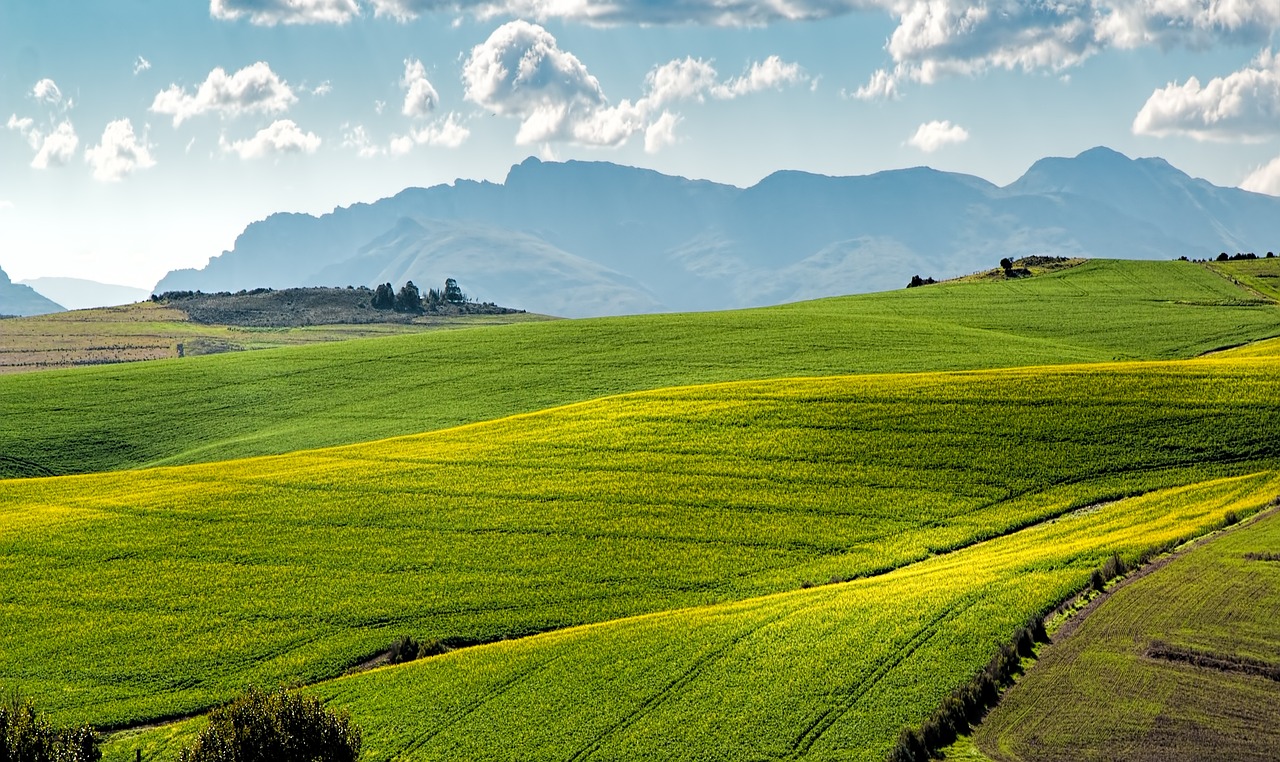
Despite these challenges, crop condition remained favourable across much of central, southern and eastern Ukraine, where adequate rainfall and soil moisture supported crop development. As a result, soft wheat and winter barley yields are forecast above the five-year average, while rapeseed yields are expected to remain close to average.
The analysis is supported by Copernicus Sentinel-2 remote-sensing data, which confirm contrasting crop development patterns across the country. Below-average biomass accumulation is evident in drought-affected western regions, while winter cereals in the south and east show favourable development. Rapeseed growth profiles also reveal the impact of late frost events on flowering and early pod formation.
Remote-sensing observations show that, despite the ongoing Russian war against Ukraine, Ukrainian farmers continue to cultivate most agricultural land, with abandonment largely limited to a buffer zone around the front line. Supported by favourable weather conditions, especially in the south and east, wheat and barley yields are forecast above average. However, continued reductions in cereal area keep production close to the five-year average, while expanded rapeseed plantings are expected to lift production above both the five-year average and the 2025 level.
The sowing campaign for summer crops was delayed by exceptionally dry conditions in March and cold weather in April. However, improved rainfall and warmer temperatures from mid-May onwards supported crop establishment, keeping yield prospects for grain maize, sunflower and soybeans close to trend levels.
2026 JRC MARS Bulletin survey
The JRC invites readers to participate in its annual user survey on the MARS Bulletin. Your feedback helps us improve the relevance, clarity and usefulness of our analyses and supports the future development of the Bulletin. The survey takes only a few minutes to complete.
O artigo foi publicado originalmente em JRC.