
















Sem Resultado
Ver Todos Os Resultados
Newsletters
Agroportal
  • Login
  • Registar
  • Sugeridas
  • Notícias
    • Notícias
    • Nacional
    • Internacional
    • Comunicados

    Mau tempo: Académicos e políticos pedem regionalização para desatar “novelo jurídico” do ordenamento

    Mau tempo: Presidente da APA recusa esclarecer intervenção da Navigator na obra do Mondego

    ipma

    IPMA: Previsão especial para o período de Carnaval em Portugal Continental – Informação Nº1

    ​Programa da “Geringonça” fez Endesa desistir da barragem de Girabolhos, diz Nuno Ribeiro da Silva

    Paulo do Nascimento Cabral-

    Paulo do Nascimento Cabral reúne com Jorge Rita para abordar a situação do setor leiteiro e a visita da Comissão da Agricultura do Parlamento Europeu aos Açores

    Mau tempo: Quercus defende medidas para estabilizar solos após enxurrada em Portalegre

    sheep

    CAP defende “plano de prevenção” para doenças pecuárias em Portugal

    Mau Tempo: Gestão das barragens foi “determinante” para diminuir impactos – Montenegro

    Álvaro Mendonça cedida

    Mau tempo: CAP fala em “catástrofe” e pede medidas únicas e apoios a fundo perdido

  • Opinião

    Abacate: uma cultura em forte afirmação nas agriculturas de Portugal

    Notas sobre a Sustentabilidade Operacional do PEPAC

    luis caixinhas

    Marca tridimensional ou desenho ou modelo: como proteger a forma dos produtos agroalimentares

    Francisco Avillez

    A Reforma da PAC pós-2027: breves reflexões sobre o orçamento proposto pela CE

    Filipe Corrêa Figueira

    Estão a encurralar os Agricultores… e não vai acabar bem!

    Sinais dos tempos. Notas sobre a PAC e o Acordo UE-Mercosul

    Douro: não há excesso de produção, há excesso de oferta

    António Covas

    A inteligência coletiva territorial da 2ª ruralidade – As áreas de baixa densidade (ABD)

    Jaime Piçarra

    O que marcou 2025 e o que esperar para 2026

  • Eventos
  • Dossiers

    Dossiers I

    • Agricultura Biológica
    • Apoios
    • Artigos Técnicos
    • Biossoluções
    • Cadeia Alimentar
    • Fertilizantes
    • Financiamento
    • Fitofarmacêuticos

    Dossiers II

    • Florestas
    • Futuro da PAC
    • Inovação
    • Mercados
    • Newsletters e Revistas
    • Recomendações Agroflorestais
    • Seguros

    Últimas

    azeitonas em oliveira

    Cotações – Azeite e Azeitona – 2 a 8 de fevereiro de 2025

    13/02/2026

    Cotações – Cereais – 2 a 8 de fevereiro de 2025

    13/02/2026

    Avaliação da suscetibilidade de uma coleção de clones de pereira ‘Rocha’ à doença do fogo bacteriano em condições de campo

    13/02/2026

    Despacho 40/G/2026 visa reduzir constrangimentos na renovação dos cartões de aplicador de produtos fitofarmacêuticos

    13/02/2026

    Abertas candidaturas para projetos de inovação na agricultura

    13/02/2026

    OGM | Traças geneticamente modificadas abrem novo caminho para o estudo de infeções a redução do uso de ratos em estudos

    13/02/2026
  • Serviços
    • Diretório
    • Emprego
    • Máquinas Agrícolas
    • Meteorologia
    • Terrenos Agrícolas
    • Arquivo Agroportal
Agroportal
  • Sugeridas
  • Notícias
    • Notícias
    • Nacional
    • Internacional
    • Comunicados

    Mau tempo: Académicos e políticos pedem regionalização para desatar “novelo jurídico” do ordenamento

    Mau tempo: Presidente da APA recusa esclarecer intervenção da Navigator na obra do Mondego

    ipma

    IPMA: Previsão especial para o período de Carnaval em Portugal Continental – Informação Nº1

    ​Programa da “Geringonça” fez Endesa desistir da barragem de Girabolhos, diz Nuno Ribeiro da Silva

    Paulo do Nascimento Cabral-

    Paulo do Nascimento Cabral reúne com Jorge Rita para abordar a situação do setor leiteiro e a visita da Comissão da Agricultura do Parlamento Europeu aos Açores

    Mau tempo: Quercus defende medidas para estabilizar solos após enxurrada em Portalegre

    sheep

    CAP defende “plano de prevenção” para doenças pecuárias em Portugal

    Mau Tempo: Gestão das barragens foi “determinante” para diminuir impactos – Montenegro

    Álvaro Mendonça cedida

    Mau tempo: CAP fala em “catástrofe” e pede medidas únicas e apoios a fundo perdido

  • Opinião

    Abacate: uma cultura em forte afirmação nas agriculturas de Portugal

    Notas sobre a Sustentabilidade Operacional do PEPAC

    luis caixinhas

    Marca tridimensional ou desenho ou modelo: como proteger a forma dos produtos agroalimentares

    Francisco Avillez

    A Reforma da PAC pós-2027: breves reflexões sobre o orçamento proposto pela CE

    Filipe Corrêa Figueira

    Estão a encurralar os Agricultores… e não vai acabar bem!

    Sinais dos tempos. Notas sobre a PAC e o Acordo UE-Mercosul

    Douro: não há excesso de produção, há excesso de oferta

    António Covas

    A inteligência coletiva territorial da 2ª ruralidade – As áreas de baixa densidade (ABD)

    Jaime Piçarra

    O que marcou 2025 e o que esperar para 2026

  • Eventos
  • Dossiers

    Dossiers I

    • Agricultura Biológica
    • Apoios
    • Artigos Técnicos
    • Biossoluções
    • Cadeia Alimentar
    • Fertilizantes
    • Financiamento
    • Fitofarmacêuticos

    Dossiers II

    • Florestas
    • Futuro da PAC
    • Inovação
    • Mercados
    • Newsletters e Revistas
    • Recomendações Agroflorestais
    • Seguros

    Últimas

    azeitonas em oliveira

    Cotações – Azeite e Azeitona – 2 a 8 de fevereiro de 2025

    13/02/2026

    Cotações – Cereais – 2 a 8 de fevereiro de 2025

    13/02/2026

    Avaliação da suscetibilidade de uma coleção de clones de pereira ‘Rocha’ à doença do fogo bacteriano em condições de campo

    13/02/2026

    Despacho 40/G/2026 visa reduzir constrangimentos na renovação dos cartões de aplicador de produtos fitofarmacêuticos

    13/02/2026

    Abertas candidaturas para projetos de inovação na agricultura

    13/02/2026

    OGM | Traças geneticamente modificadas abrem novo caminho para o estudo de infeções a redução do uso de ratos em estudos

    13/02/2026
  • Serviços
    • Diretório
    • Emprego
    • Máquinas Agrícolas
    • Meteorologia
    • Terrenos Agrícolas
    • Arquivo Agroportal
Sem Resultado
Ver Todos Os Resultados
Agroportal
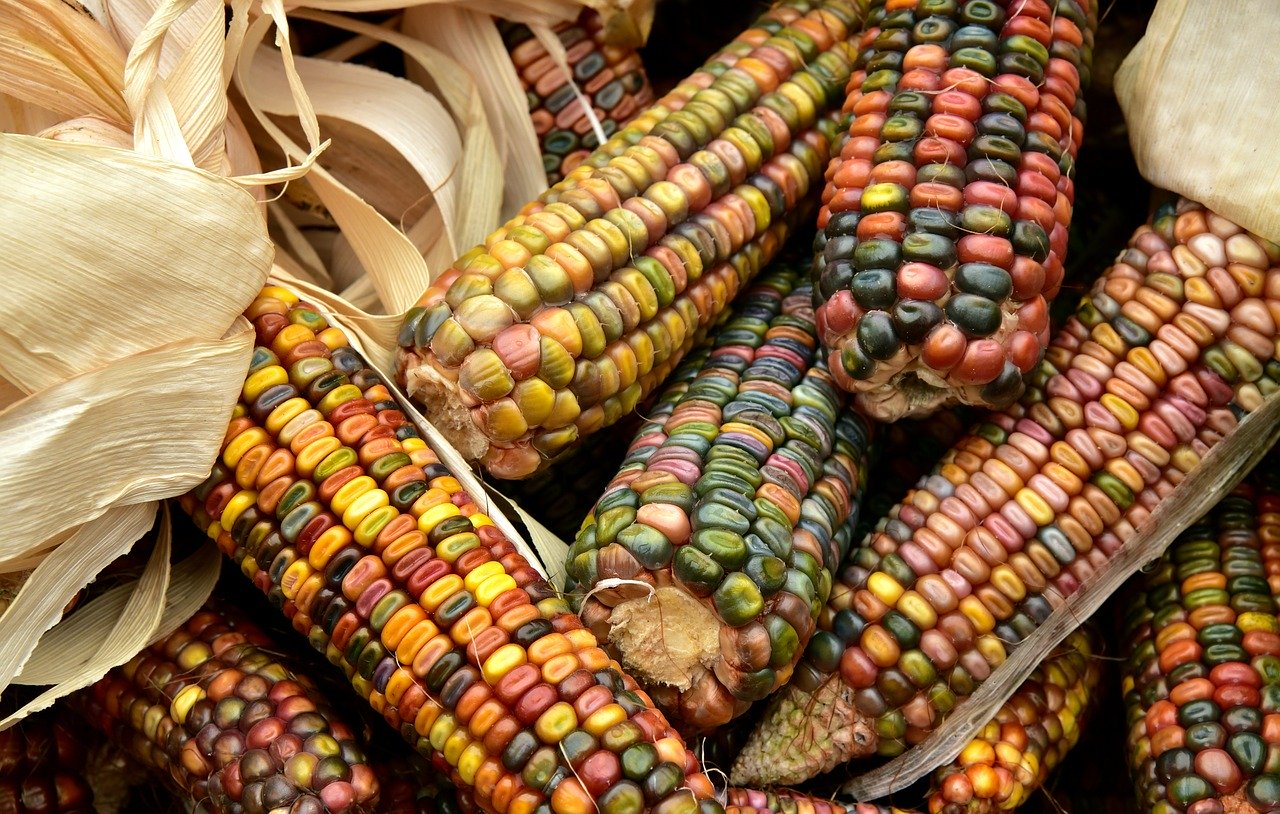
milho

5 reasons why the GMO debate is over

por Cornell Alliance for Science
09-12-2021 | 15:29
em Genética, Últimas, Internacional, Notícias inovação, Inovação, Dossiers
Tempo De Leitura: 6 mins
A A
Partilhe no FacebookPartilhe no TwitterEnviar para o WhatsappEnviar para o TelegramEnviar para o LinkedIn

Though we still hear some moaning and groaning about GMOs — genetically modified organisms — it primarily comes from a small and very vocal group. Most people simply aren’t concerned about GMOs as they focus on real and pressing issues, like the climate crisis and COVID-19 global pandemic. Even anti-GMO groups are turning their attention elsewhere as they redirect their conflict-driven business models to more lucrative topics, such as COVID conspiracy theories and peddling miracle cures. While the GMO debate has been percolating for nearly three decades, data indicate it’s now over. Here are five facts to support that conclusion.

1. They’re safe.

Almost every scientific institution in the world recognizes the safety of genetically modified crops. Some 3,000 scientific studies have assessed the safety of these crops, in terms of human and environmental health, and 284 institutions globally recognize that GMO crops are safe. These include the Royal Society of Medicine, the American Medical Association, The World Academy of Sciences, the World Health Organization, the European Commission and the American Association for the Advancement of Science, among many others.

The most robust study was conducted by the National Academies of Science, which brought in experts from a wide range of food and agriculture disciplines to look at data compiled over the years. They all came to the same conclusion: No substantiated evidence of a difference in risks to human health between conventional and currently commercially available GM crops and no conclusive cause-and-effect evidence of environmental problems from GM crops.

2. The conversation around GMOs is both shrinking and increasingly positive in tone.

As part of our work at the Alliance for Science, we’ve been using Cision media monitoring tools since 2018 to track the global conversation around GMOs. In 2020, we found that GMO visibility decreased by 26 percent from 2019 and the volume of social media posts on the topic decreased by 39 percent. Additionally, data show the average monthly favorability of the GMO conversation in both traditional and social media increased from 68 percent in 2019 to 78 percent in 2020. The shift was most pronounced in the free-for-all of social media, where favorability increased from just 60 percent in 2019 to 78 percent in 2020. Social media also saw a decrease in anti-GMO conspiratorial content in 2020, likely due to accounts that tend to promote such messages increasingly focusing on various COVID conspiracies. Meanwhile, top tier media like Reuters, CGTV, CNN and New Scientist replaced anti-GMO stalwarts, such as GM Watch and GMO-Free USA, as the top Twitter influencers on the topic in 2020. Journalists are increasingly reporting on GMOs in a positive or neutral tone that reflects the science and scientific consensus on safety.

3. Young people support biotechnology.

Young people embrace technology in general as a tool for feeding the many while sparing the planet. Receptivity among this demographic is also improving as awareness grows about the role of GM crops in reducing agriculture’s environmental impact and greenhouse gas emissions associated with global warming. A recent unpublished survey by the Center for Food Integrity found that Gen Z and millennials tend to be more accepting of agricultural technology than their older counterparts and to see it as offering powerful solutions to humanity’s problems.

4. Farmers love GMO crops.

Farmers around the world can see value in every harvest, as they achieve higher yields with less investment in fertilizers, pesticides and other inputs. This is true for both smallholder farmers and those with much larger operations. For example, smallholder farmers in Bangladesh cut their pesticide use by 62 percent and increased their profits six-fold by growing brinjal (eggplant) that has been genetically modified to resist the destructive fruit and shoot borer. Due to these benefits, biotechnology is the fastest-adopted crop technology in the world, increasing 112-fold from 1996 to 2019. Some 29 countries — 56 percent of them developing nations — grew 190.4 million hectares of GM crops in 2019.

Notably, GMO crop adoption is accelerating in South Asia and Africa. After years of debate, the Philippines this year approved the cultivation of Golden Rice and Bt eggplant is moving through the regulatory process. Nigeria, often called the Giant of Africa, has already approved insect-resistant GM cowpea and cotton. It is now moving to adopt drought-tolerant and insect-resistant maize (corn) and GM NEWEST rice that is water- and nitrogen-use efficient and tolerant of salty soils. Kenya, despite having a GMO moratorium in place, has adopted GM cotton and is expected to approve GM maize in 2022. This trend is likely to continue as African scientists are increasingly engaged in research that applies the tools of biotechnology to crops that are key to securing the livelihoods of smallholder farmers and supporting food security.

Brazil, whose agricultural sector is dominated by smallholder farmers, is emerging as another GM powerhouse. In addition to growing commodity crops like GM corn and soybean, Brazilian public sector researchers developed a GM pinto bean that resists a devasting plant disease. It is now being sold in the country’s grocery stores. Brazil this year also became the first country to approve the importation of flour made from GM wheat, giving a boost to a crop developed in neighboring Argentina, which has also embraced agricultural biotechnology. It’s exciting to see government leaders put aside the politics and focus on what their nations and their farmers need.

Though consumers have been benefitting from GM crops without even realizing it, through higher yields that keep prices in check and reduced pesticide loads that make food healthier, nearly all the GM crops developed to date have catered to the needs of farmers. It is likely that consumers will similarly come to love GM crops as new products enter the market with traits that directly benefit them and/or reflect their values, such as enhanced nutrition, better taste and more sustainable approaches to agriculture.

5. Opposition in Europe has eased.

Though Europeans are widely perceived as an anti-GMO stalwarts, concern about GMOs there dropped from 66 percent in 2010 to just 27 percent in 2019. That shift in sentiment is good news for countries that are influenced by European NGOs and policies that stand in the way of farmers accessing the benefits of GM crops.

The use of biotechnology to develop effective and safe COVID-19 vaccines has had a halo effect on GMO crops, improving public awareness about the technology and its benefits in both health and agricultural applications. Similarly, the advent of new tools like CRISPR and synthetic biology, which hold great promise for making agriculture more sustainable and producing food products with consumer benefits, are likely to reinforce the positive trends. Indeed, our media monitoring is already showing the conversation around gene editing is even more favorable than the one about GMOs, in both social and traditional media.

Lost time and momentum

While it’s heartening to see the GMO debate dwindle, much time and momentum has been lost to addressing the opposition. Just 13 GM crops are currently on the market globally, most of them international commodity crops that support industry and livestock production. Only five — cowpea, papaya, brinjal, pinto beans and Golden Rice — are niche crops and food staples. This travesty is due primarily to misinformation (fear mongering) spread by GM opponents and the regulatory roadblocks they champion that make it difficult and expensive for public sector scientists and start-ups to develop crops with the traits that are useful to the people in their societies.

The GMO debate, driven largely by ill-informed or idle opposition from the well-fed West, is over. In a world wracked by a mutating virus and rising temperatures, action and answers matter more than opinions and rhetoric. The conversation we need to have now is about broadening access to the tools of biotechnology. Simply put, farmers need greater access to improved seeds and young scientists need more access to innovative tools.

It is estimated that agriculture will need to increase production by 70 percent to feed the world’s 9 billion citizens by 2050. And it needs to do this while greatly curbing its current impacts. Agriculture currently accounts for 50 percent of all global topsoil loss, 33 percent of the world’s GHG emissions, 75 percent of the nitrogen emissions and 80 percent of the deforestation worldwide. Biotechnology offers hope for shrinking agriculture’s footprint while producing more and better food. Let’s stop the chatter and use today’s tools to save the planet tomorrow.


By Sarah Evanega

Imprimir Artigo
Publicação Anterior

Cotações – Flores e Folhagens – 29 de novembro a 5 de dezembro de 2021

Próxima Publicação

Portugal deve seguir exemplo de Espanha e proibir a venda com prejuízos na produção

Artigos Relacionados

Nacional

Mau tempo: Académicos e políticos pedem regionalização para desatar “novelo jurídico” do ordenamento

13/02/2026
Nacional

Mau tempo: Presidente da APA recusa esclarecer intervenção da Navigator na obra do Mondego

13/02/2026
ipma
Últimas

IPMA: Previsão especial para o período de Carnaval em Portugal Continental – Informação Nº1

13/02/2026
Próxima Publicação

Portugal deve seguir exemplo de Espanha e proibir a venda com prejuízos na produção

Discussão sobre este post

Opinião

Últimas

Abacate: uma cultura em forte afirmação nas agriculturas de Portugal

por José Martino
08/02/2026

Ler mais
Últimas

Notas sobre a Sustentabilidade Operacional do PEPAC

por Marisol Cardoso
01/02/2026

Ler mais

Subscrever as nossas newsletteres

Subscrever as nossas Newsletters Agroportal

Verifique na sua caixa de correio ou na pasta de spam para confirmar a sua subscrição.

Comunicados

ipma

IPMA: Previsão especial para o período de Carnaval em Portugal Continental – Informação Nº1

13/02/2026
Paulo do Nascimento Cabral-

Paulo do Nascimento Cabral reúne com Jorge Rita para abordar a situação do setor leiteiro e a visita da Comissão da Agricultura do Parlamento Europeu aos Açores

13/02/2026

Temas em destaque

Anpromis Candidaturas PU Eleições Mercosul PAC pós 2027 Simplificação PAC Temporais Água que Une
Advertisement

Eventos

Fevereiro 2026
STQQSSD
       1
2 3 4 5 6 7 8
9 10 11 12 13 14 15
16 17 18 19 20 21 22
23 24 25 26 27 28  
« Jan   Mar »

Sobre Nós

O Agroportal.pt é uma plataforma de informação digital que reúne a informação relevante sobre agricultura. Tem um foco na Política Agrícola Comum e a sua aplicação em Portugal.

Menu

  • Quem somos
  • Relatórios anuais
  • Envie-nos informação
  • Publicidade
  • Newsletters
  • Estatuto Editorial
  • Ficha técnica
  • Proteção de Dados Pessoais
  • Disclaimer
Facebook twitter Circle Instagram Rss Feed

© Agroportal. All Rights reserved.

  • Login
  • Registar
Sem Resultado
Ver Todos Os Resultados
  • Sugeridas
  • Notícias
    • Nacional
    • Internacional
    • Comunicados
  • Opinião
  • Eventos
  • Dossiers
    • Agricultura Biológica
    • Apoios
    • Artigos Técnicos
    • Biossoluções
    • Cadeia Alimentar
    • Fertilizantes
    • Financiamento
    • Fitofarmacêuticos
    • Florestas
    • Futuro da PAC
    • Inovação
    • Mercados e Cotações agrícolas
    • Newsletters e Revistas
    • Recomendações Agroflorestais
    • Seguros agrícolas
  • Serviços
    • Diretório
    • Emprego
    • Máquinas Agrícolas
    • Meteorologia
    • Terrenos Agrícolas
    • Arquivo Agroportal

© Agroportal. All Rights reserved.

Bem-Vindo De Volta!

Sign In with Facebook
Sign In with Google
OU

Faça login na sua conta abaixo

Esqueceu-se da senha? Registar

Criar Uma Nova Conta!

Sign Up with Facebook
Sign Up with Google
OU

Preencha os campos abaixo para se registar

* Ao se registar-se no nosso site, você concorda com os Termos e Condições e a Política de Privacidade .
Todos os campos são necessários. Entrar

Obter a sua senha

Indique por favor o seu nome de utilizador ou endereço de E-mail para repor a sua senha.

Entrar
Este site usa cookies. Ao continuar a utilizar este site, está a dar consentimento à utilização de cookies. Visite a nossa Política de Protecção de dados e Cookies.