








Sem Resultado
Ver Todos Os Resultados
Newsletters
Agroportal
  • Login
  • Registar
  • Sugeridas
  • Notícias
    • Notícias
    • Nacional
    • Internacional
    • Comunicados

    Odemira: destruição provocada por temporal ameaça futuro da fileira dos pequenos frutos e da produção agrícola na região

    milk cow

    Produtores da ilha Terceira concertam medidas de resposta à descida do preço do leite

    CVRVV

    Paris recebe 37 produtores de Vinhos Verdes para mostrar a diversidade do terroir a compradores

    Rewilding Portugal

    Documentário Côa Mais Selvagem premiado nos Emirados Árabes Unidos

    Mau Tempo: Silves alerta para o risco de cheias nas margens dos cursos de água

    Trouw Nutrition

    Trouw Nutrition lança a 5.ª edição do seu curso de referência em nutrição suína em Espanha

    CNA

    Reclamações da CNA para acudir aos agricultores afectados pela tempestade Kristin

    Apoios à agricultura após a depressão Kristin já estão no terreno

    Chuva não dá tréguas e coloca Portugal de prevenção até quinta-feira

  • Opinião

    Notas sobre a Sustentabilidade Operacional do PEPAC

    luis caixinhas

    Marca tridimensional ou desenho ou modelo: como proteger a forma dos produtos agroalimentares

    Francisco Avillez

    A Reforma da PAC pós-2027: breves reflexões sobre o orçamento proposto pela CE

    Filipe Corrêa Figueira

    Estão a encurralar os Agricultores… e não vai acabar bem!

    Sinais dos tempos. Notas sobre a PAC e o Acordo UE-Mercosul

    Douro: não há excesso de produção, há excesso de oferta

    António Covas

    A inteligência coletiva territorial da 2ª ruralidade – As áreas de baixa densidade (ABD)

    Jaime Piçarra

    O que marcou 2025 e o que esperar para 2026

    Ines Marques Lopes

    Agribusiness: entre a profissionalização, o investimento e a sustentabilidade

  • Eventos
  • Dossiers

    Dossiers I

    • Agricultura Biológica
    • Apoios
    • Artigos Técnicos
    • Biossoluções
    • Cadeia Alimentar
    • Fertilizantes
    • Financiamento
    • Fitofarmacêuticos

    Dossiers II

    • Florestas
    • Futuro da PAC
    • Inovação
    • Mercados
    • Newsletters e Revistas
    • Recomendações Agroflorestais
    • Seguros

    Últimas

    Cotações – Bovinos – 26 de janeiro a 1 de fevereiro de 2025

    04/02/2026
    pig

    Cotações – Suínos – 26 de janeiro a 1 de fevereiro de 2025

    04/02/2026

    Cotações – Ovinos e Caprinos – 26 de janeiro a 1 de fevereiro de 2025

    04/02/2026

    Cotações – Aves e Ovos – 26 de janeiro a 1 de fevereiro de 2025

    04/02/2026

    Cotações – Coelhos – 26 de janeiro a 1 de fevereiro de 2025

    04/02/2026

    Cotações – Azeite e Azeitona – 26 de janeiro a 1 de fevereiro de 2025

    04/02/2026
  • Serviços
    • Diretório
    • Emprego
    • Máquinas Agrícolas
    • Meteorologia
    • Terrenos Agrícolas
    • Arquivo Agroportal
Agroportal
  • Sugeridas
  • Notícias
    • Notícias
    • Nacional
    • Internacional
    • Comunicados

    Odemira: destruição provocada por temporal ameaça futuro da fileira dos pequenos frutos e da produção agrícola na região

    milk cow

    Produtores da ilha Terceira concertam medidas de resposta à descida do preço do leite

    CVRVV

    Paris recebe 37 produtores de Vinhos Verdes para mostrar a diversidade do terroir a compradores

    Rewilding Portugal

    Documentário Côa Mais Selvagem premiado nos Emirados Árabes Unidos

    Mau Tempo: Silves alerta para o risco de cheias nas margens dos cursos de água

    Trouw Nutrition

    Trouw Nutrition lança a 5.ª edição do seu curso de referência em nutrição suína em Espanha

    CNA

    Reclamações da CNA para acudir aos agricultores afectados pela tempestade Kristin

    Apoios à agricultura após a depressão Kristin já estão no terreno

    Chuva não dá tréguas e coloca Portugal de prevenção até quinta-feira

  • Opinião

    Notas sobre a Sustentabilidade Operacional do PEPAC

    luis caixinhas

    Marca tridimensional ou desenho ou modelo: como proteger a forma dos produtos agroalimentares

    Francisco Avillez

    A Reforma da PAC pós-2027: breves reflexões sobre o orçamento proposto pela CE

    Filipe Corrêa Figueira

    Estão a encurralar os Agricultores… e não vai acabar bem!

    Sinais dos tempos. Notas sobre a PAC e o Acordo UE-Mercosul

    Douro: não há excesso de produção, há excesso de oferta

    António Covas

    A inteligência coletiva territorial da 2ª ruralidade – As áreas de baixa densidade (ABD)

    Jaime Piçarra

    O que marcou 2025 e o que esperar para 2026

    Ines Marques Lopes

    Agribusiness: entre a profissionalização, o investimento e a sustentabilidade

  • Eventos
  • Dossiers

    Dossiers I

    • Agricultura Biológica
    • Apoios
    • Artigos Técnicos
    • Biossoluções
    • Cadeia Alimentar
    • Fertilizantes
    • Financiamento
    • Fitofarmacêuticos

    Dossiers II

    • Florestas
    • Futuro da PAC
    • Inovação
    • Mercados
    • Newsletters e Revistas
    • Recomendações Agroflorestais
    • Seguros

    Últimas

    Cotações – Bovinos – 26 de janeiro a 1 de fevereiro de 2025

    04/02/2026
    pig

    Cotações – Suínos – 26 de janeiro a 1 de fevereiro de 2025

    04/02/2026

    Cotações – Ovinos e Caprinos – 26 de janeiro a 1 de fevereiro de 2025

    04/02/2026

    Cotações – Aves e Ovos – 26 de janeiro a 1 de fevereiro de 2025

    04/02/2026

    Cotações – Coelhos – 26 de janeiro a 1 de fevereiro de 2025

    04/02/2026

    Cotações – Azeite e Azeitona – 26 de janeiro a 1 de fevereiro de 2025

    04/02/2026
  • Serviços
    • Diretório
    • Emprego
    • Máquinas Agrícolas
    • Meteorologia
    • Terrenos Agrícolas
    • Arquivo Agroportal
Sem Resultado
Ver Todos Os Resultados
Agroportal

Mining sewage for fertilisers and energy to prevent water shortages

por Horizon - EU
03-04-2019 | 22:00
em Internacional
Tempo De Leitura: 6 mins
A A
Partilhe no FacebookPartilhe no TwitterEnviar para o WhatsappEnviar para o TelegramEnviar para o LinkedIn

Currently, water use risks leaving half the world facing severe scarcity by 2030 as demand outstrips supply. The linear way our societies and industries think about water – constantly extracting it for use and then dumping it back into oceans and rivers – is unsustainable in a world facing the challenges of a growing population and climate change.

‘Natural water resources are not endless,’ said Dr Christos Makropoulos, Associate Professor at the National Technical University of Athens, Greece, and the Chief Information Officer of KWR, a water research institute in the Netherlands. ‘They are very dependent on a stable climate, which is currently changing – and we’ve based our entire economy and livelihoods on them just being available whenever we need them.’

The United Nations believes there could be enough water to meet the world’s growing needs, but only if we find a better way to make the most of every drop. One way to do this is to think about water in terms of the circular economy – keeping water within social or industrial systems for as long as possible and simultaneously extracting additional value from it.

‘If you manage to treat and reuse wastewater, and extract useful materials and energy, like nutrients that could become fertilisers for agriculture, or added-value compounds for the chemical industry – you are both protecting the environment and shielding your cities and industries (from water scarcity),’ said Dr Makropoulos.

Water mining

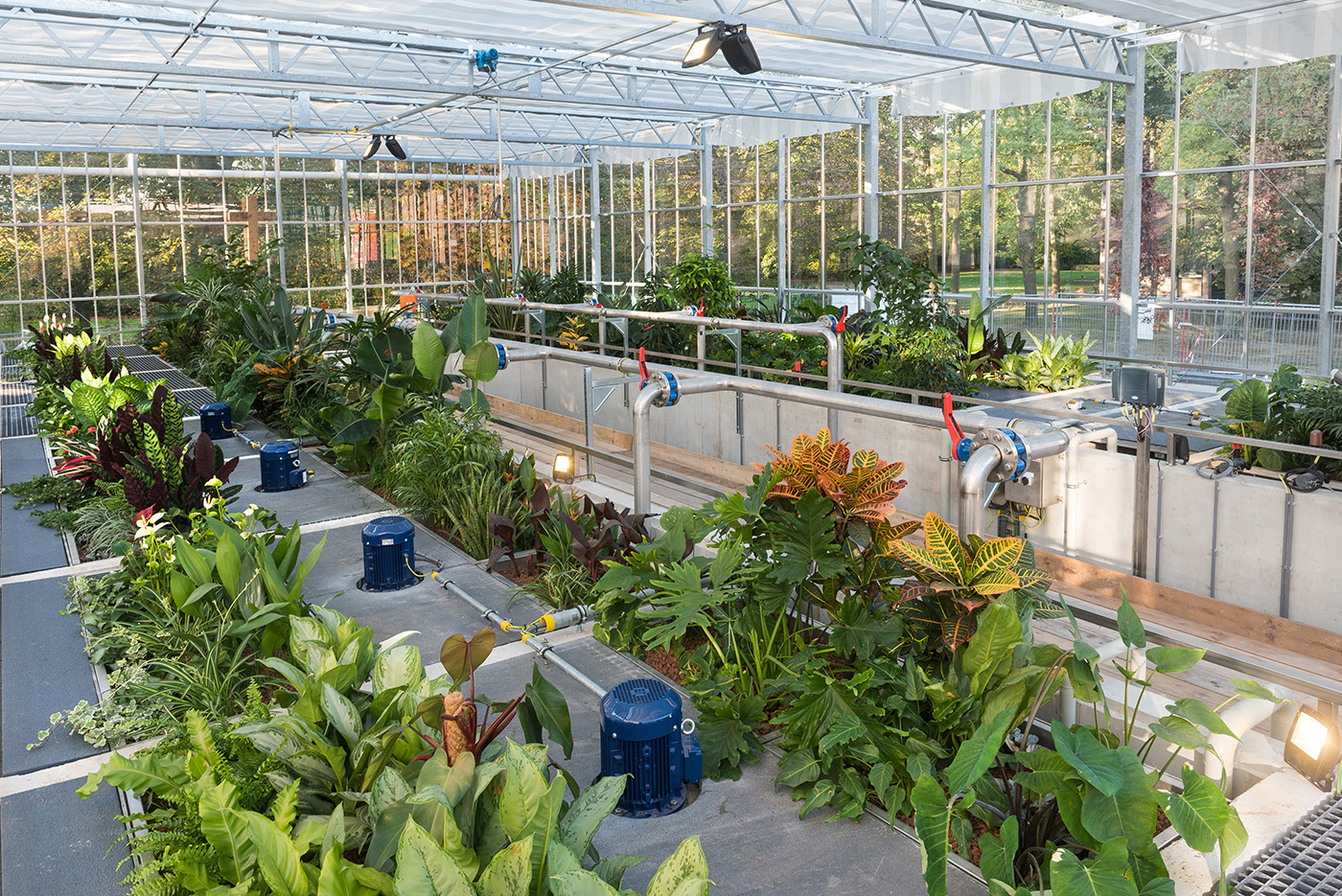
He is the co-coordinator of NextGen, a project demonstrating different circular water technologies across ten different sites in Europe. In the Netherlands they are using engineered ecosystems to treat and reuse wastewater from a brewery. In the United Kingdom, they are developing technologies to extract methane gas from wastewater treatment plants so that it can be used as an energy source.

They even have a portable wastewater mining unit in Greece that extracts sewage, cleans it using tiny membranes, disinfects it and then irrigates public parks.

The technologies at all ten sites use water in ways that reduce the amount that needs to be extracted and therefore enhances regional resilience against water scarcity. Most of these solutions were developed prior to NextGen’s inception, but the project is helping to refine and advance the technology while also showcasing their potential on a bigger, more commercial stage.

‘In each site we demonstrate a different set up that closes the cycle in terms of energy, water or resources, or sometimes a combination of all three,’ said Dr Makropoulos. ‘Part of the ambition here is to use these sites as living labs, in other words as spaces where people – like schools, regional authorities or municipalities, or businesses – can visit and understand how they work.’

This is a crucial step in convincing local governments and businesses to change how they think about water – that it is a renewable resource rather than a commodity to be exploited. In the past, circular technologies struggled to scale up because regulators and the market did not appreciate their potential and failed to create the commercial environment needed to drive demand.

‘If you extract useful materials, like nutrients that could become soil enhancers or compounds for the chemical industry, you are both protecting the environment and shielding your cities and industries (from water scarcity).’

Dr Christos Makropoulos, KWR, Netherlands.

These ‘living labs’ are also a tool to help regulators see the need to change legislation, added Dr Makropoulos. Outdated definitions and regulations of waste are currently standing in the way of some resources extracted from wastewater entering the market or becoming cost-competitive.

According to Ilaria Schiavi, a resource management expert at IRIS, an Italian sustainable technology business, many European countries struggle to grasp how the circular economy works in practice.

‘Not many countries have circular economy strategies and the ones that do are still figuring out how actions can trickle down to planning on the ground,’ she said.

This could mean that opportunities to create systems that reduce a region’s water demand are missed in major development projects, which can lock areas into the current use-and-discard water culture.

‘The approach to water has been that it will always be there and we don’t need to think about it when enlarging a city,’ said Schiavi, who is also the project coordinator of Project Ô, which aims to demonstrate different technologies and approaches to circular water management. ‘But that’s not true anymore.’

Lower bills

The researchers are developing software to help local authorities and businesses analyse and understand the economic benefits of sustainable water strategies, such as the amount of money saved by rewarding those who use less water with lower bills. They are also demonstrating wastewater recycling technologies that ease the pressure on existing sewage treatment sites alongside strategies for using alternative sources of local water, like rain or from industrial sources.
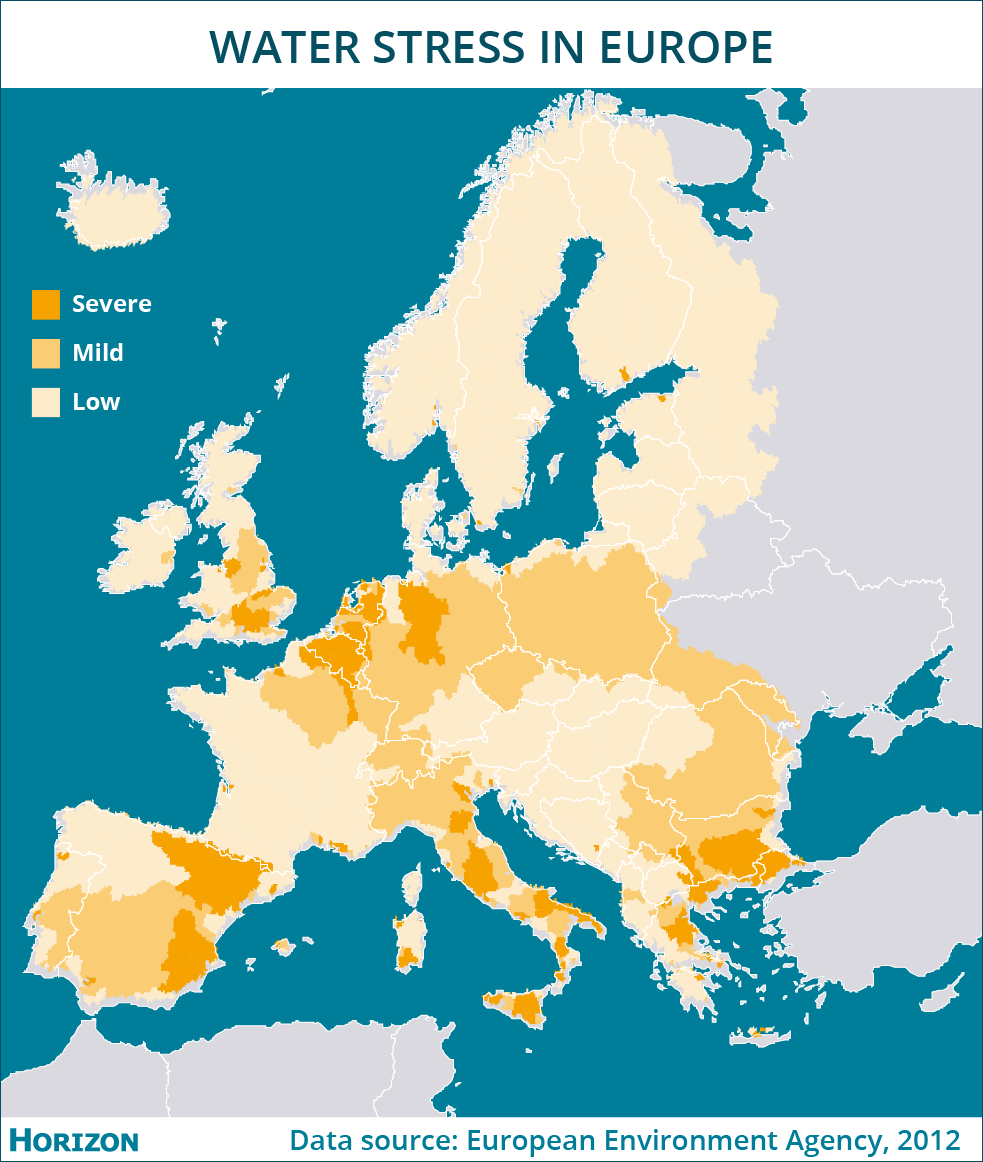
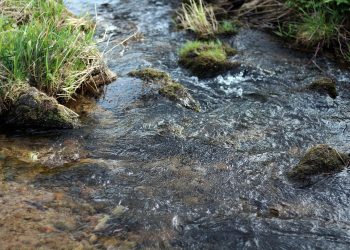
Water stress happens when demand for water exceeds the amount available of acceptable quality, and varies from region to region. Image credit - Horizon

Most existing water treatment plants were built to deal with domestic sewage, but with growing pollutants from nearby industry and changing habits in society, like the increased use of antibiotics, plants now have to cope with contaminants that they were not initially designed for. This cocktail of pollutants makes it more expensive to clean the water, but also harder to extract any resources that could be reused.

‘We are trying to act on the contaminants close to the source of the contamination because they are concentrated enough to be effectively treated,’ said Schiavi.

The project team has already helped install a treatment plant at an Israeli aquaculture research centre that would enable 100% recycling of the water, thus eliminating the need to take more out of the ocean.

The plant uses algae to treat the wastewater, which pulls nutrients out and these are then used for feeding locally farmed fish or as a feedstock for nutraceutical (dietary supplements) or other industrial applications. This circular approach also prevents the wastewater being dumped back into the environment, where it can trigger huge blooms of toxic algae that can suffocate other marine life.

‘The best way to prevent waste is not to generate it and that’s the same approach we want to create with wastewater,’ said Schiavi.

The research in this article was funded by the European Union. If you liked this article, please consider sharing it on social media.
Imprimir Artigo
Publicação Anterior

Ministro da Agricultura operado e substituído 3 semanas por Secretário de Estado

Próxima Publicação

Autarquias já podem concorrer a fundos europeus para redes Wifi, e rápido de preferência

Artigos Relacionados

Últimas

El OOWC afianza su proyección internacional

04/02/2026
Últimas

EUA afirmam que México irá aumentar fornecimento de água após ameaças de Trump

04/02/2026
Últimas

Moçambique apreende carvão vegetal de exploração ilegal de florestas

03/02/2026
Próxima Publicação

Autarquias já podem concorrer a fundos europeus para redes Wifi, e rápido de preferência

Discussão sobre este post

Opinião

Últimas

Notas sobre a Sustentabilidade Operacional do PEPAC

por Marisol Cardoso
01/02/2026

Ler mais
luis caixinhas
Últimas

Marca tridimensional ou desenho ou modelo: como proteger a forma dos produtos agroalimentares

por Luís Caixinhas
25/01/2026

Ler mais

Subscrever as nossas newsletteres

Subscrever as nossas Newsletters Agroportal

Verifique na sua caixa de correio ou na pasta de spam para confirmar a sua subscrição.

Comunicados

Odemira: destruição provocada por temporal ameaça futuro da fileira dos pequenos frutos e da produção agrícola na região

04/02/2026
CVRVV

Paris recebe 37 produtores de Vinhos Verdes para mostrar a diversidade do terroir a compradores

04/02/2026

Temas em destaque

Anpromis Candidaturas PU Eleições Mercosul PAC pós 2027 Simplificação PAC Temporais Água que Une
Advertisement

Eventos

Fevereiro 2026
STQQSSD
       1
2 3 4 5 6 7 8
9 10 11 12 13 14 15
16 17 18 19 20 21 22
23 24 25 26 27 28  
« Jan   Mar »

Sobre Nós

O Agroportal.pt é uma plataforma de informação digital que reúne a informação relevante sobre agricultura. Tem um foco na Política Agrícola Comum e a sua aplicação em Portugal.

Menu

  • Quem somos
  • Relatórios anuais
  • Envie-nos informação
  • Publicidade
  • Newsletters
  • Estatuto Editorial
  • Ficha técnica
  • Proteção de Dados Pessoais
  • Disclaimer
Facebook twitter Circle Instagram Rss Feed

© Agroportal. All Rights reserved.

  • Login
  • Registar
Sem Resultado
Ver Todos Os Resultados
  • Sugeridas
  • Notícias
    • Nacional
    • Internacional
    • Comunicados
  • Opinião
  • Eventos
  • Dossiers
    • Agricultura Biológica
    • Apoios
    • Artigos Técnicos
    • Biossoluções
    • Cadeia Alimentar
    • Fertilizantes
    • Financiamento
    • Fitofarmacêuticos
    • Florestas
    • Futuro da PAC
    • Inovação
    • Mercados e Cotações agrícolas
    • Newsletters e Revistas
    • Recomendações Agroflorestais
    • Seguros agrícolas
  • Serviços
    • Diretório
    • Emprego
    • Máquinas Agrícolas
    • Meteorologia
    • Terrenos Agrícolas
    • Arquivo Agroportal

© Agroportal. All Rights reserved.

Bem-Vindo De Volta!

Sign In with Facebook
Sign In with Google
OU

Faça login na sua conta abaixo

Esqueceu-se da senha? Registar

Criar Uma Nova Conta!

Sign Up with Facebook
Sign Up with Google
OU

Preencha os campos abaixo para se registar

* Ao se registar-se no nosso site, você concorda com os Termos e Condições e a Política de Privacidade .
Todos os campos são necessários. Entrar

Obter a sua senha

Indique por favor o seu nome de utilizador ou endereço de E-mail para repor a sua senha.

Entrar
Este site usa cookies. Ao continuar a utilizar este site, está a dar consentimento à utilização de cookies. Visite a nossa Política de Protecção de dados e Cookies.