




















Sem Resultado
Ver Todos Os Resultados
Newsletters
Agroportal
  • Login
  • Registar
  • Sugeridas
  • Notícias
    • Notícias
    • Nacional
    • Internacional
    • Comunicados

    Arranca consulta pública do Pro~Rios para o restauro dos rios e ribeiras

    Renovação de Confiança na Forestis: Carlos Duarte reeleito para o próximo triénio

    PR moçambicano pede na China fábrica de equipamentos agrícolas e industriais no país

    Âncora recebe 25 mil trutas para travar declínio dos ecossistemas ribeirinhos

    assinatura em papel mão caneta

    Matadouro do Cachão entrou em processo de insolvência por dívida de 1 ME

    Países Baixos financiam centro de tecnologia agrícola no centro de Moçambique

    Cacau ultrapassa os 3.500 dólares devido a tensões geopolíticas e menor procura

    Vítor Duarte, um malapeiro que planta árvores para preservar história e identidade

    Setor florestal emprega 42 milhões de pessoas a nível global, mas regista quebra na última década

  • Opinião
    João Dinis

    Pastores e queijo da serra

    Sofia Almeida

    O lobo-ibérico é um teste à seriedade das políticas de conservação

    Jovem Empresário Rural Não Agrícola, Precisam-se!

    Resultados económicos do sector agrícola em 2025: apesar de menos favoráveis do que os dos últimos anos não põem em causa a evolução bastante positiva da última década

    A Grande Ilusão: Porque têm as nossas Confederações medo da rua?

    Pagar pelo “invisível” e o porquê da agricultura portuguesa não pode continuar a oferecer serviços ecológicos “de graça”?

    Quando a água é escassa, a agricultura é um “utilizador como os outros” … ou um setor estratégico que deve ter prioridade?

    Georgete Felix

    Risco climático, Agricultura e ESG

    A Política Agrícola (pouco!) Comum

  • Eventos
  • Dossiers

    Dossiers I

    • Agricultura Biológica
    • Apoios
    • Artigos Técnicos
    • Biossoluções
    • Cadeia Alimentar
    • Fertilizantes
    • Financiamento
    • Fitofarmacêuticos

    Dossiers II

    • Florestas
    • Futuro da PAC
    • Inovação
    • Mercados
    • Newsletters e Revistas
    • Recomendações Agroflorestais
    • Seguros

    Últimas

    Cacau ultrapassa os 3.500 dólares devido a tensões geopolíticas e menor procura

    17/04/2026

    Setor florestal emprega 42 milhões de pessoas a nível global, mas regista quebra na última década

    17/04/2026

    Governo investe 30 ME por ano para apoiar pastores e controlar risco de incêndios

    17/04/2026

    Cotações – Coelhos – 6 a 12 de abril de 2026

    17/04/2026

    Mau tempo: Agricultores do Oeste queixam-se de atrasos do pagamento dos apoios

    17/04/2026

    Boletim Mensal da Agricultura e Pescas – Abril de 2026

    17/04/2026
  • Serviços
    • Diretório
    • Emprego
    • Máquinas Agrícolas
    • Meteorologia
    • Terrenos Agrícolas
    • Arquivo Agroportal
Agroportal
  • Sugeridas
  • Notícias
    • Notícias
    • Nacional
    • Internacional
    • Comunicados

    Arranca consulta pública do Pro~Rios para o restauro dos rios e ribeiras

    Renovação de Confiança na Forestis: Carlos Duarte reeleito para o próximo triénio

    PR moçambicano pede na China fábrica de equipamentos agrícolas e industriais no país

    Âncora recebe 25 mil trutas para travar declínio dos ecossistemas ribeirinhos

    assinatura em papel mão caneta

    Matadouro do Cachão entrou em processo de insolvência por dívida de 1 ME

    Países Baixos financiam centro de tecnologia agrícola no centro de Moçambique

    Cacau ultrapassa os 3.500 dólares devido a tensões geopolíticas e menor procura

    Vítor Duarte, um malapeiro que planta árvores para preservar história e identidade

    Setor florestal emprega 42 milhões de pessoas a nível global, mas regista quebra na última década

  • Opinião
    João Dinis

    Pastores e queijo da serra

    Sofia Almeida

    O lobo-ibérico é um teste à seriedade das políticas de conservação

    Jovem Empresário Rural Não Agrícola, Precisam-se!

    Resultados económicos do sector agrícola em 2025: apesar de menos favoráveis do que os dos últimos anos não põem em causa a evolução bastante positiva da última década

    A Grande Ilusão: Porque têm as nossas Confederações medo da rua?

    Pagar pelo “invisível” e o porquê da agricultura portuguesa não pode continuar a oferecer serviços ecológicos “de graça”?

    Quando a água é escassa, a agricultura é um “utilizador como os outros” … ou um setor estratégico que deve ter prioridade?

    Georgete Felix

    Risco climático, Agricultura e ESG

    A Política Agrícola (pouco!) Comum

  • Eventos
  • Dossiers

    Dossiers I

    • Agricultura Biológica
    • Apoios
    • Artigos Técnicos
    • Biossoluções
    • Cadeia Alimentar
    • Fertilizantes
    • Financiamento
    • Fitofarmacêuticos

    Dossiers II

    • Florestas
    • Futuro da PAC
    • Inovação
    • Mercados
    • Newsletters e Revistas
    • Recomendações Agroflorestais
    • Seguros

    Últimas

    Cacau ultrapassa os 3.500 dólares devido a tensões geopolíticas e menor procura

    17/04/2026

    Setor florestal emprega 42 milhões de pessoas a nível global, mas regista quebra na última década

    17/04/2026

    Governo investe 30 ME por ano para apoiar pastores e controlar risco de incêndios

    17/04/2026

    Cotações – Coelhos – 6 a 12 de abril de 2026

    17/04/2026

    Mau tempo: Agricultores do Oeste queixam-se de atrasos do pagamento dos apoios

    17/04/2026

    Boletim Mensal da Agricultura e Pescas – Abril de 2026

    17/04/2026
  • Serviços
    • Diretório
    • Emprego
    • Máquinas Agrícolas
    • Meteorologia
    • Terrenos Agrícolas
    • Arquivo Agroportal
Sem Resultado
Ver Todos Os Resultados
Agroportal
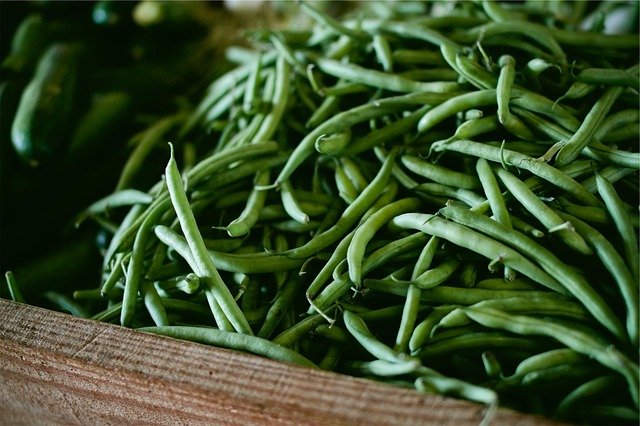
vagem

Science, not fear, will drive Ghana’s decision on its first GMO crop, regulators vow

por Cornell Alliance for Science
20-08-2021 | 13:54
em Genética, Últimas, Internacional, Notícias inovação, Inovação, Dossiers
Tempo De Leitura: 5 mins
A A
Partilhe no FacebookPartilhe no TwitterEnviar para o WhatsappEnviar para o TelegramEnviar para o LinkedIn

Ghana’s government says science — not fear mongering — will guide its decision on whether to approve its first genetically modified (GM) crop.

The National Biosafety Authority (NBA) and the Ministry of Science and Technology, which regulate GMOs, both say proven scientific knowledge and not misinformation will inform their decision on whether to allow the open cultivation of cowpea resistant to the pod borer pest. GM cowpea has already been approved in Nigeria, where farmers are harvesting their first crop.

“If GMOs are bad, and they can cause cancer and the science is there, the proof is there, we will listen. But if it is based on propaganda to hang it without any basis, that we will not take,” NBA Chief Executive Officer Eric Okoree asserted in an interview.

“We are the regulators. We are friends to those who speak for and those who speak against. But you will bear me out that a lot of information has gone out there. Whether they are scientifically sound or not, we are yet to tell. But basically, most of the information we hear is not scientifically sound. But that is what has entered the minds of the people, and some kind of fear has been created in the minds of the people,” he observed.

Okoree said the NBA appreciates the work of anti-GMO groups in the country but is urging them to base their opposition on science and not emotions. Food Sovereignty Ghana must speak science and not emotions, Okoree noted in an interview with Joy News in Accra.

“All over the world, wherever there is scientific innovation and introduction of that technology, the public rise against it. And you will get somebody whose business is to lead the confrontation,” he noted. “And in Ghana, you will find Food Sovereignty Ghana doing that. And we appreciate that. Because all these go to make the regulatory system effective. Just that we will say whatever information they put out there should be scientifically sound. And should not play on the emotions and create fear in people.”

Dr. Kwaku Afriyie, Ghana’s new Minister for Environment, Science, Technology and Innovation, holds a similar position.

“I am not advocating for GMOs introduction,” he said during a recent visit to the NBA offices. “We must have a debate. But the debate should not be based on fears, which have no basis. It should be based on science and what is even good for this country so that we can make informed decisions.”.

Long history

Scientists at the state-owned Savannah Agricultural Research Institute (SARI) of the Council for Scientific and Industrial Research in Ghana have completed trials on the pest-resistant Bt cowpea (beans) and will soon apply for environmental/commercial release of the variety. The GM crop is expected to help farmers dramatically reduce their use of pesticides on cowpea farms, while also enjoying better quality and higher yields of this important staple food.

A destructive pest known as Maruca pod borer has been responsible for low yields of the protein-rich cowpea in Ghana, forcing farmers to spray their fields with pesticides up to eight times in the 12-week life cycle of the crop. The GM cowpea resists the pest, which can destroy up to 80 percent of all cowpeas in farmers’ fields. The insects are particularly devastating because they damage not only the flowers and the buds, but also destroy the pods, resulting in grain and yield loss.

The GM variety, called pod borer-resistant (PBR) cowpea, helped farmers cut down pesticide use on their farms by up to 80 percent during field trials supervised by SARI scientists. The resistance is the result of the introduction of a gene from a naturally occurring bacteria, Bacillus thuringiensis (Bt), that has the capacity to control a range of pests. The Bt variety causes harm to specific pests but not humans or beneficial insects.

The scientists working on the variety are reportedly awaiting the official composition of a new NBA board before submiting the application for commercial/environmental release to the authority. “The GMOs that we are researching on in this country, cowpea is the number 1. And the cowpea we have in Ghana is what has received the gene. And so, it’s not foreign… I know they are at the point of release,” Okoree disclosed.

He offered assurances that the approval process will be transparent and solicit public comment. “So, CSIR has to come to the Biosafety Authority, pick up the form for release, submit it and then we take it through risk assessment. But most importantly, [there’s] public assessment or consultation. The public must make inputs,” he explained.

“So, when we get such information [application], we put it in the public domain. Advertise it for the public to come for copies and make inputs. So, in deciding, the board will look at the information in the application, the public input, socioeconomic implication and risk assessment. So, it’s a process. If the applicant comes, we will look at it. Until they come, we are waiting,” Okoree added.

After an application is submitted, the authority has 180 days to respond. Approval for environmental release will mean the Bt gene has been de-regulated, allowing farmers to grow the varieties at various locations across the country. Then a process will kick in that is similar to the one followed by all other conventional, non-GM seeds. Scientists will gather data on the multi-locational trials and submit a request to the Varietal Release Committee of the Ministry of Food and Agriculture for permission to market the seeds to farmers.

Research to produce Ghana’s variety of GM cowpea has been ongoing since 2008 and the process is not yet complete. Dr. Richard Ampadu Amenyaw, a senior research scientist at the Science and Technology Policy Research Institute (STEPRI) of the CSIR, said researchers are going through the entire process meticulously to help heighten and ensure public trust in the variety.

“It tells you how careful we are trying to be. We don’t want to jump the gun. We are going through the processes step by step,” he explained.

Besides the GM cowpea, field trials are also ongoing to produce Ghana’s first GM rice variety. The nitrogen- and water-use efficient and salt-tolerant (NEWEST) rice has been engineered to require less nitrogen fertilizer, tolerate drought conditions and grow in salty soils — and still give good yield. Confined field trials conducted at the Crop Research Institute of the CSIR in Kumasi on plants with just the nitrogen use-efficiency trait show the variety yields between 14 and 25 percent better than traditional varieties. Nitrogen fertilizer is a major source of greenhouse gas emissions and is often too expensive for smallholder farmers to afford.


By Joseph Opoku Gakpo

Imprimir Artigo
Publicação Anterior

Municipal de Trancoso organiza mostra de gado

Próxima Publicação

Este ano ardeu menos 60% do que a média dos últimos 13 anos

Artigos Relacionados

Últimas

Arranca consulta pública do Pro~Rios para o restauro dos rios e ribeiras

17/04/2026
Últimas

Forum for the Future of Agriculture – 2026 Annual Conference summary

17/04/2026
Últimas

DOP não é folclore: é economia, identidade e poder territorial – A‍ntónio Bonito

17/04/2026
Próxima Publicação

Este ano ardeu menos 60% do que a média dos últimos 13 anos

Discussão sobre este post

Opinião

João Dinis
Últimas

Pastores e queijo da serra

por João Dinis
12/04/2026

Ler mais
Sofia Almeida
Últimas

O lobo-ibérico é um teste à seriedade das políticas de conservação

por Sofia Almeida
05/04/2026

Ler mais

Subscrever as nossas newsletteres

Subscrever as nossas Newsletters Agroportal

Verifique na sua caixa de correio ou na pasta de spam para confirmar a sua subscrição.

Comunicados

Arranca consulta pública do Pro~Rios para o restauro dos rios e ribeiras

17/04/2026

Renovação de Confiança na Forestis: Carlos Duarte reeleito para o próximo triénio

17/04/2026
Advertisement

Temas em destaque

Candidaturas PU Guerra Médio Oriente Mercosul PAC pós 2027 Simplificação PAC Temporais Água que Une

Eventos

Abril 2026
STQQSSD
   1 2 3 4 5
6 7 8 9 10 11 12
13 14 15 16 17 18 19
20 21 22 23 24 25 26
27 28 29 30    
« Mar   Mai »

Sobre Nós

O Agroportal.pt é uma plataforma de informação digital que reúne a informação relevante sobre agricultura. Tem um foco na Política Agrícola Comum e a sua aplicação em Portugal.

Menu

  • Quem somos
  • Relatórios anuais
  • Envie-nos informação
  • Publicidade
  • Newsletters
  • Estatuto Editorial
  • Ficha técnica
  • Proteção de Dados Pessoais
  • Disclaimer
Facebook twitter Circle Instagram Rss Feed

© Agroportal. All Rights reserved.

  • Login
  • Registar
Sem Resultado
Ver Todos Os Resultados
  • Sugeridas
  • Notícias
    • Nacional
    • Internacional
    • Comunicados
  • Opinião
  • Eventos
  • Dossiers
    • Agricultura Biológica
    • Apoios
    • Artigos Técnicos
    • Biossoluções
    • Cadeia Alimentar
    • Fertilizantes
    • Financiamento
    • Fitofarmacêuticos
    • Florestas
    • Futuro da PAC
    • Inovação
    • Mercados e Cotações agrícolas
    • Newsletters e Revistas
    • Recomendações Agroflorestais
    • Seguros agrícolas
  • Serviços
    • Diretório
    • Emprego
    • Máquinas Agrícolas
    • Meteorologia
    • Terrenos Agrícolas
    • Arquivo Agroportal

© Agroportal. All Rights reserved.

Bem-Vindo De Volta!

Sign In with Facebook
Sign In with Google
OU

Faça login na sua conta abaixo

Esqueceu-se da senha? Registar

Criar Uma Nova Conta!

Sign Up with Facebook
Sign Up with Google
OU

Preencha os campos abaixo para se registar

* Ao se registar-se no nosso site, você concorda com os Termos e Condições e a Política de Privacidade .
Todos os campos são necessários. Entrar

Obter a sua senha

Indique por favor o seu nome de utilizador ou endereço de E-mail para repor a sua senha.

Entrar
Este site usa cookies. Ao continuar a utilizar este site, está a dar consentimento à utilização de cookies. Visite a nossa Política de Protecção de dados e Cookies.