
















Sem Resultado
Ver Todos Os Resultados
Newsletters
Agroportal
  • Login
  • Registar
  • Sugeridas
  • Notícias
    • Notícias
    • Nacional
    • Internacional
    • Comunicados

    Novas oportunidades de financiamento LEADER

    FPAS

    Sessão de Apresentação FNP

    Governo decidiu novos apoios para setor agrícola enfrentar aumento de custos de produção

    ipma

    IPMA: Análise El Niño Setembro de 2026

    farm land

    Pomar dos Sabores testa em Luz de Tavira que frutos poderão crescer no Algarve do futuro

    Queijos do Centro de Portugal atravessam fronteiras: parceiros da EEC PROVERE participam na FROMAGO Cheese Experience, em Zamora

    Produção de azeite deve crescer 10% na campanha 2026/2027

    Agricultura biológica precisa de nova estratégia nacional e mercados mais organizados

    Valpaços destaca agricultura biológica um ano depois da distinção da UE

  • Opinião

    O problema da floresta não é apenas florestal

    Solo: A Infraestrutura Invisível da Adaptação Climática

    Ibéria: a terra prometida a quem?

    O Impacto da agricultura regenerativa sobre os resultados económicos das explorações agrícolas

    Ibéria – a terra prometida

    O dia em que a Europa descobrir o elevado preço de não produzir

    As cooperativas não pagam IRC. E depois?

    500 milhões de Euros por Ano Não Chega Sem Planeamento

    António Covas

    O mundo paradoxal do nosso rural tardio e remoto

  • Eventos
  • Dossiers

    Dossiers I

    • Agricultura Biológica
    • Apoios
    • Artigos Técnicos
    • Biossoluções
    • Cadeia Alimentar
    • Fertilizantes
    • Financiamento
    • Fitofarmacêuticos

    Dossiers II

    • Florestas
    • Futuro da PAC
    • Inovação
    • Mercados
    • Newsletters e Revistas
    • Recomendações Agroflorestais
    • Seguros

    Últimas

    Governo decidiu novos apoios para setor agrícola enfrentar aumento de custos de produção

    23/09/2026

    Cotações – Suínos – 14 a 20 de setembro de 2026

    23/09/2026

    Cotações – Aves e Ovos – 14 a 20 de setembro de 2026

    23/09/2026

    Cotações – Frutos Frescos e Secos – 14 a 20 de setembro de 2026

    23/09/2026

    Cotações – Produtos Hortícolas – 14 a 20 de setembro de 2026

    23/09/2026

    Cotações – Flores e Folhagens – 14 a 20 de setembro de 2026

    23/09/2026
  • Serviços
    • Diretório
    • Emprego
    • Máquinas Agrícolas
    • Meteorologia
    • Terrenos Agrícolas
    • Arquivo Agroportal
Agroportal
  • Sugeridas
  • Notícias
    • Notícias
    • Nacional
    • Internacional
    • Comunicados

    Novas oportunidades de financiamento LEADER

    FPAS

    Sessão de Apresentação FNP

    Governo decidiu novos apoios para setor agrícola enfrentar aumento de custos de produção

    ipma

    IPMA: Análise El Niño Setembro de 2026

    farm land

    Pomar dos Sabores testa em Luz de Tavira que frutos poderão crescer no Algarve do futuro

    Queijos do Centro de Portugal atravessam fronteiras: parceiros da EEC PROVERE participam na FROMAGO Cheese Experience, em Zamora

    Produção de azeite deve crescer 10% na campanha 2026/2027

    Agricultura biológica precisa de nova estratégia nacional e mercados mais organizados

    Valpaços destaca agricultura biológica um ano depois da distinção da UE

  • Opinião

    O problema da floresta não é apenas florestal

    Solo: A Infraestrutura Invisível da Adaptação Climática

    Ibéria: a terra prometida a quem?

    O Impacto da agricultura regenerativa sobre os resultados económicos das explorações agrícolas

    Ibéria – a terra prometida

    O dia em que a Europa descobrir o elevado preço de não produzir

    As cooperativas não pagam IRC. E depois?

    500 milhões de Euros por Ano Não Chega Sem Planeamento

    António Covas

    O mundo paradoxal do nosso rural tardio e remoto

  • Eventos
  • Dossiers

    Dossiers I

    • Agricultura Biológica
    • Apoios
    • Artigos Técnicos
    • Biossoluções
    • Cadeia Alimentar
    • Fertilizantes
    • Financiamento
    • Fitofarmacêuticos

    Dossiers II

    • Florestas
    • Futuro da PAC
    • Inovação
    • Mercados
    • Newsletters e Revistas
    • Recomendações Agroflorestais
    • Seguros

    Últimas

    Governo decidiu novos apoios para setor agrícola enfrentar aumento de custos de produção

    23/09/2026

    Cotações – Suínos – 14 a 20 de setembro de 2026

    23/09/2026

    Cotações – Aves e Ovos – 14 a 20 de setembro de 2026

    23/09/2026

    Cotações – Frutos Frescos e Secos – 14 a 20 de setembro de 2026

    23/09/2026

    Cotações – Produtos Hortícolas – 14 a 20 de setembro de 2026

    23/09/2026

    Cotações – Flores e Folhagens – 14 a 20 de setembro de 2026

    23/09/2026
  • Serviços
    • Diretório
    • Emprego
    • Máquinas Agrícolas
    • Meteorologia
    • Terrenos Agrícolas
    • Arquivo Agroportal
Sem Resultado
Ver Todos Os Resultados
Agroportal

Reduced soil tilling helps both soils and yields

por Agroportal
13-12-2019 | 17:08
em Últimas, Internacional, Notícias inovação, Inovação, Dossiers
Tempo De Leitura: 5 mins
A A
Partilhe no FacebookPartilhe no TwitterEnviar para o WhatsappEnviar para o TelegramEnviar para o LinkedIn

[Fonte: ScienceDaily] By monitoring crops through machine learning and satellite data, scientists have found farms that till the soil less can increase yields of corn and soybeans and improve the health of the soil — a win-win for meeting growing food needs worldwide.

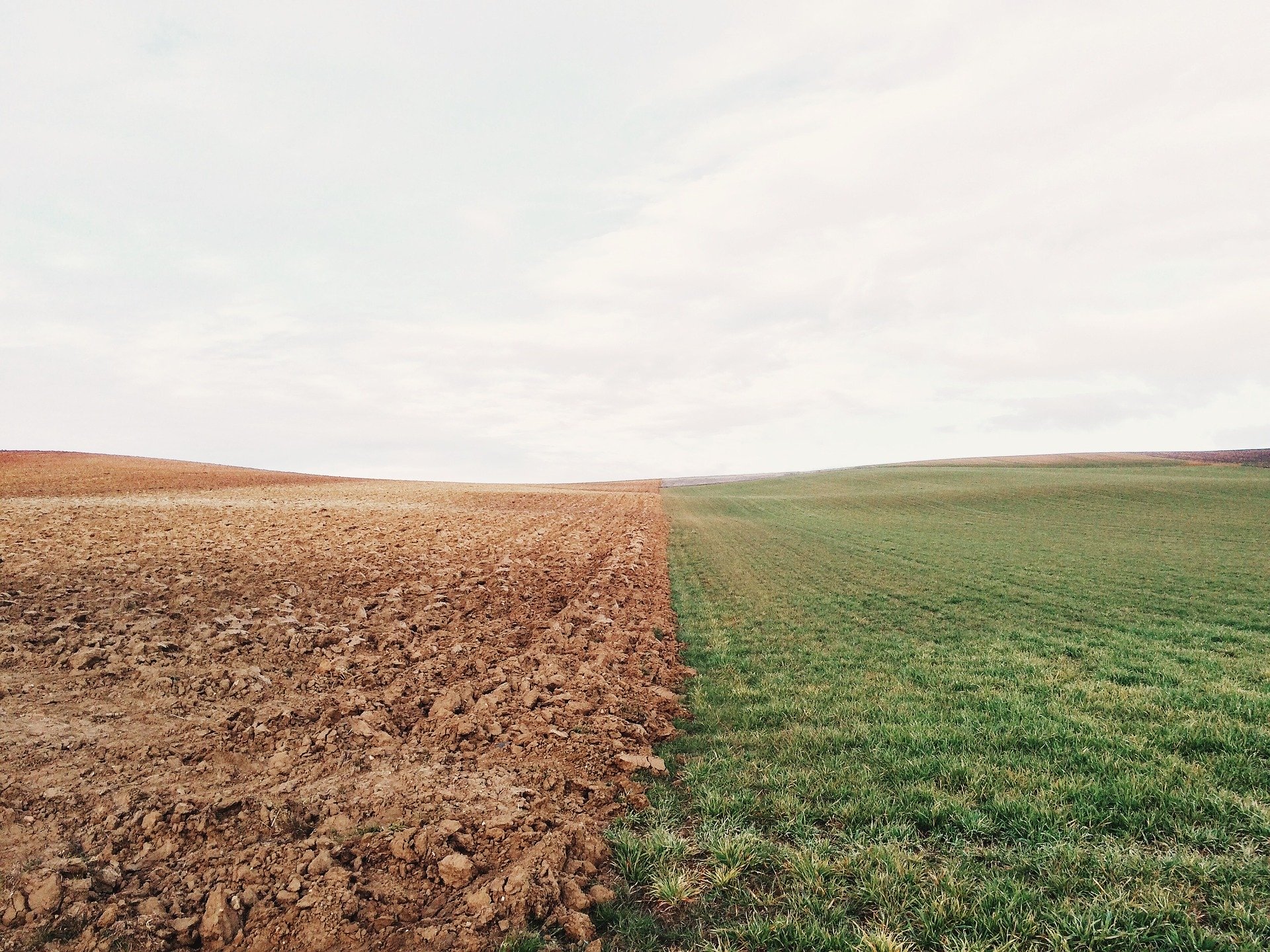
Agriculture degrades over 24 million acres of fertile soil every year, raising concerns about meeting the rising global demand for food. But a simple farming practice born from the 1930’s Dust Bowl could provide a solution, according to new Stanford research. The study, published Dec. 6 in Environmental Research Letters, shows that Midwest farmers who reduced how much they overturned the soil — known as tilling — increased corn and soybean yields while also nurturing healthier soils and lowering production costs.

“Reduced tillage is a win-win for agriculture across the Corn Belt,” said study lead author Jillian Deines, a postdoctoral scholar at Stanford’s Center on Food Security and the Environment. “Worries that it can hurt crop yields have prevented some farmers from switching practices, but we found it typically leads to increased yields.”

The U.S. — the largest producer of corn and soybeans worldwide — grows a majority of these two crops in the Midwest. Farmers plucked about 367 million metric tons of corn and 108 million metric tons of soybeans from American soil this past growing season, providing key food, oil, feedstock, ethanol and export value.

Monitoring farming from space

Farmers generally till the soil prior to planting corn or soybeans — a practice known to control weeds, mix nutrients, break up compacted dirt and ultimately increase food production over the short term. However, over time this method degrades soil. A 2015 report from the Food and Agriculture Organization of the United Nations found that in the past 40 years the world has lost a third of food-producing land to diminished soil. The demise of once fertile land poses a serious challenge for food production, especially with mounting pressures on agriculture to feed a growing global population.

In contrast, reduced tillage — also known as conservation tillage — promotes healthier soil management, reduces erosion and runoff and improves water retention and drainage. It involves leaving the previous year’s crop residue (such as corn stalks) on the ground when planting the next crop, with little or no mechanical tillage. The practice is used globally on over 370 million acres, mostly in South America, Oceania and North America. However, many farmers fear the method could reduce yields and profits. Past studies of yield effects have been limited to local experiments, often at research stations, that don’t fully reflect production-scale practices.

The Stanford team turned to machine learning and satellite datasets to address this knowledge gap. First, they identified areas of reduced and conventional tilling from previously published data outlining annual U.S. practices for 2005 to 2016. Using satellite-based crop yield models — which take into account variables such as climate and crop life-cycles — they also reviewed corn and soybean yields during this time. To quantify the impact of reduced tillage on crop yields, the researchers trained a computer model to compare changes in yields based on tillage practice. They also recorded elements such as soil type and weather to help determine which conditions had a larger influence on harvests.

Improved yields

The researchers calculated corn yields improved an average of 3.3 percent and soybeans by 0.74 percent across fields managed with long-term conservation tillage practices in the nine states sampled. Yields from the additional tonnage rank in the top 15 worldwide for both crops. For corn, this totals approximately 11 million additional metric tons matching the 2018 country output of South Africa, Indonesia, Russia or Nigeria. For soybeans, the added 800,000 metric tons ranks in between Indonesia and South Africa’s country totals.

Some areas experienced up to an 8.1 percent increase for corn and 5.8 percent for soybeans. In other fields, negative yields of 1.3 percent for corn and 4.7 for soybeans occurred. Water within the soil and seasonal temperatures were the most influential factors in yield differences, especially in drier, warmer regions. Wet conditions were also found favorable to crops except during the early season where water-logged soils benefit from conventional tillage that in turn dries and aerates.

“Figuring out when and where reduced tillage works best could help maximize the benefits of the technology and guide farmers into the future,” said study senior author David Lobell, a professor of Earth system science in the School of Earth, Energy & Environmental Sciences and the Gloria and Richard Kushel Director of the Center on Food Security and the Environment.

It takes time to see the benefits from reduced tillage, as it works best under continuous implementation. According to the researchers’ calculations, corn farmers won’t see the full benefits for the first 11 years, and soybeans take twice as long for full yields to materialize. However, the approach also results in lower costs due to reduced need for labor, fuel and farming equipment while also sustaining fertile lands for continuous food production. The study does show a small positive gain even during the first year of implementation, with higher gains accruing over time as soil health improves. According to a 2017 Agricultural Censuses report, farmers appear to be getting on board with the long-term investment and close to 35 percent of cropland in the U.S. is now managed with reduced tillage.

“One of the big challenges in agriculture is achieving the best crop yields today without comprising future production. This research demonstrates that reduced tillage can be a solution for long-term crop productivity,” Deines said.

Imprimir Artigo
Publicação Anterior

Rendimento da agricultura deverá aumentar 5,8% em 2019

Próxima Publicação

Distrital de Beja do PSD vê com muita preocupação redução das medidas agroambientais

Artigos Relacionados

Últimas

Novas oportunidades de financiamento LEADER

23/09/2026
FPAS
Últimas

Sessão de Apresentação FNP

23/09/2026
Últimas

Governo decidiu novos apoios para setor agrícola enfrentar aumento de custos de produção

23/09/2026
Próxima Publicação

Distrital de Beja do PSD vê com muita preocupação redução das medidas agroambientais

Discussão sobre este post

Opinião

Últimas

O problema da floresta não é apenas florestal

por Miguel Jerónimo
20/09/2026

Ler maisDetails
Últimas

Solo: A Infraestrutura Invisível da Adaptação Climática

por Maria João Sacadura
13/09/2026

Ler maisDetails

Subscrever as nossas newsletteres

Subscrever as nossas Newsletters Agroportal

Verifique na sua caixa de correio ou na pasta de spam para confirmar a sua subscrição.

Comunicados

Novas oportunidades de financiamento LEADER

23/09/2026
FPAS

Sessão de Apresentação FNP

23/09/2026
Advertisement

Temas em destaque

Candidaturas PU Guerra Médio Oriente Mercosul ovibeja PAC pós 2027 Simplificação PAC Temporais vinho Água que Une

Eventos

Setembro 2026
STQQSSD
  1 2 3 4 5 6
7 8 9 10 11 12 13
14 15 16 17 18 19 20
21 22 23 24 25 26 27
28 29 30     
« Ago   Out »

Sobre Nós

O Agroportal.pt é uma plataforma de informação digital que reúne a informação relevante sobre agricultura. Tem um foco na Política Agrícola Comum e a sua aplicação em Portugal.

Menu

  • Quem somos
  • Relatórios anuais
  • Envie-nos informação
  • Publicidade
  • Newsletters
  • Estatuto Editorial
  • Ficha técnica
  • Proteção de Dados Pessoais
  • Disclaimer
Facebook twitter Circle Instagram Rss Feed

© Agroportal. All Rights reserved.

Bem-Vindo De Volta!

Sign In with Facebook
Sign In with Google
OR

Faça login na sua conta abaixo

Esqueceu-se da senha? Registar

Criar Uma Nova Conta!

Sign Up with Facebook
Sign Up with Google
OR

Preencha os campos abaixo para se registar

* Ao se registar-se no nosso site, você concorda com os Termos e Condições e a Política de Privacidade .
Todos os campos são necessários. Entrar

Obter a sua senha

Indique por favor o seu nome de utilizador ou endereço de E-mail para repor a sua senha.

Entrar
  • Login
  • Registar
Sem Resultado
Ver Todos Os Resultados
  • Sugeridas
  • Notícias
    • Nacional
    • Internacional
    • Comunicados
  • Opinião
  • Eventos
  • Dossiers
    • Agricultura Biológica
    • Apoios
    • Artigos Técnicos
    • Biossoluções
    • Cadeia Alimentar
    • Fertilizantes
    • Financiamento
    • Fitofarmacêuticos
    • Florestas
    • Futuro da PAC
    • Inovação
    • Mercados e Cotações agrícolas
    • Newsletters e Revistas
    • Recomendações Agroflorestais
    • Seguros agrícolas
  • Serviços
    • Diretório
    • Emprego
    • Máquinas Agrícolas
    • Meteorologia
    • Terrenos Agrícolas
    • Arquivo Agroportal

© Agroportal. All Rights reserved.

Este site usa cookies. Ao continuar a utilizar este site, está a dar consentimento à utilização de cookies. Visite a nossa Política de Protecção de dados e Cookies.