















Sem Resultado
Ver Todos Os Resultados
Newsletters
Agroportal
  • Login
  • Registar
  • Sugeridas
  • Notícias
    • Notícias
    • Nacional
    • Internacional
    • Comunicados

    Orçamento do Estado 2027 fica aquém em áreas como a proteção da floresta, a adaptação climática e a fiscalidade verde

    Leiria: Programa Sub-regional de gestão de fogos em consulta pública

    Bélgica: ciberataque a sistemas de refrigeração em supermercados estraga €100 mil em alimentos

    Tempo quente e seco provoca quebra significativa na produção de castanha em Marvão

    Fórum CarbonWise 2026 debate como transformar o carbono em valor económico

    Marcha de agricultores sai à rua no Fundão contra aumento de custos

    Portugal: supermercados Intermarché afetados por ataque informático

    cavalo castanho

    Na terra do Lusitano, a Feira Nacional do Cavalo celebra 50 anos e sonha com a UNESCO

    Obras de 6,3ME no canal condutor geral do Aproveitamento Hidroagrícola do Mira

  • Opinião

    A Grande Narrativa da Alimentação: Alimentar o Mundo ou Alimentar um Sistema?

    Jovens agricultores em Portugal: não partimos todos do mesmo sítio e o género conta

    Pedro-Pimentel

    Portugal tem uma palavra a dizer

    Jose Mesquita Milheiro

    Agricultura, filha de um deus menor. Até quando?

    Registo Internacional de Marcas no Setor Agroalimentar

    Estamos a exportar Portugal ou a desvalorizar o azeite português?

    AIGP: fracasso ou sucesso?

    Microrganismos ao serviço de uma agricultura mais sustentável

    O problema da floresta não é apenas florestal

  • Eventos
  • Dossiers

    Dossiers I

    • Agricultura Biológica
    • Apoios
    • Artigos Técnicos
    • Biossoluções
    • Cadeia Alimentar
    • Fertilizantes
    • Financiamento
    • Fitofarmacêuticos

    Dossiers II

    • Florestas
    • Futuro da PAC
    • Inovação
    • Mercados
    • Newsletters e Revistas
    • Recomendações Agroflorestais
    • Seguros

    Últimas

    IFAP

    Newsletter IFAP N.º 175 – Outubro 2026

    02/11/2026

    Fórum CarbonWise 2026 debate como transformar o carbono em valor económico

    02/11/2026

    Peneda-Gerês com novas regras que conciliam conservação e desenvolvimento – Governo

    02/11/2026

    Apoio governamental à agricultura subiu 15% no mundo entre 2023 e 2025 – OCDE

    02/11/2026

    Governo reforça em 15 ME apoio para agricultores face ao custo dos combustíveis

    02/11/2026

    Goparity abre campanha de investimento para reflorestar Sul da Europa após incêndios

    02/11/2026
  • Serviços
    • Diretório
    • Emprego
    • Máquinas Agrícolas
    • Meteorologia
    • Terrenos Agrícolas
    • Arquivo Agroportal
Agroportal
  • Sugeridas
  • Notícias
    • Notícias
    • Nacional
    • Internacional
    • Comunicados

    Orçamento do Estado 2027 fica aquém em áreas como a proteção da floresta, a adaptação climática e a fiscalidade verde

    Leiria: Programa Sub-regional de gestão de fogos em consulta pública

    Bélgica: ciberataque a sistemas de refrigeração em supermercados estraga €100 mil em alimentos

    Tempo quente e seco provoca quebra significativa na produção de castanha em Marvão

    Fórum CarbonWise 2026 debate como transformar o carbono em valor económico

    Marcha de agricultores sai à rua no Fundão contra aumento de custos

    Portugal: supermercados Intermarché afetados por ataque informático

    cavalo castanho

    Na terra do Lusitano, a Feira Nacional do Cavalo celebra 50 anos e sonha com a UNESCO

    Obras de 6,3ME no canal condutor geral do Aproveitamento Hidroagrícola do Mira

  • Opinião

    A Grande Narrativa da Alimentação: Alimentar o Mundo ou Alimentar um Sistema?

    Jovens agricultores em Portugal: não partimos todos do mesmo sítio e o género conta

    Pedro-Pimentel

    Portugal tem uma palavra a dizer

    Jose Mesquita Milheiro

    Agricultura, filha de um deus menor. Até quando?

    Registo Internacional de Marcas no Setor Agroalimentar

    Estamos a exportar Portugal ou a desvalorizar o azeite português?

    AIGP: fracasso ou sucesso?

    Microrganismos ao serviço de uma agricultura mais sustentável

    O problema da floresta não é apenas florestal

  • Eventos
  • Dossiers

    Dossiers I

    • Agricultura Biológica
    • Apoios
    • Artigos Técnicos
    • Biossoluções
    • Cadeia Alimentar
    • Fertilizantes
    • Financiamento
    • Fitofarmacêuticos

    Dossiers II

    • Florestas
    • Futuro da PAC
    • Inovação
    • Mercados
    • Newsletters e Revistas
    • Recomendações Agroflorestais
    • Seguros

    Últimas

    IFAP

    Newsletter IFAP N.º 175 – Outubro 2026

    02/11/2026

    Fórum CarbonWise 2026 debate como transformar o carbono em valor económico

    02/11/2026

    Peneda-Gerês com novas regras que conciliam conservação e desenvolvimento – Governo

    02/11/2026

    Apoio governamental à agricultura subiu 15% no mundo entre 2023 e 2025 – OCDE

    02/11/2026

    Governo reforça em 15 ME apoio para agricultores face ao custo dos combustíveis

    02/11/2026

    Goparity abre campanha de investimento para reflorestar Sul da Europa após incêndios

    02/11/2026
  • Serviços
    • Diretório
    • Emprego
    • Máquinas Agrícolas
    • Meteorologia
    • Terrenos Agrícolas
    • Arquivo Agroportal
Sem Resultado
Ver Todos Os Resultados
Agroportal
Africa

Africa struggles to improve climate change literacy as its effects worsen across the continent

por Cornell Alliance for Science
18-04-2022 | 16:31
em Últimas, Internacional, Notícias inovação
Tempo De Leitura: 4 mins
A A
Partilhe no FacebookPartilhe no TwitterEnviar para o WhatsappEnviar para o TelegramEnviar para o LinkedIn

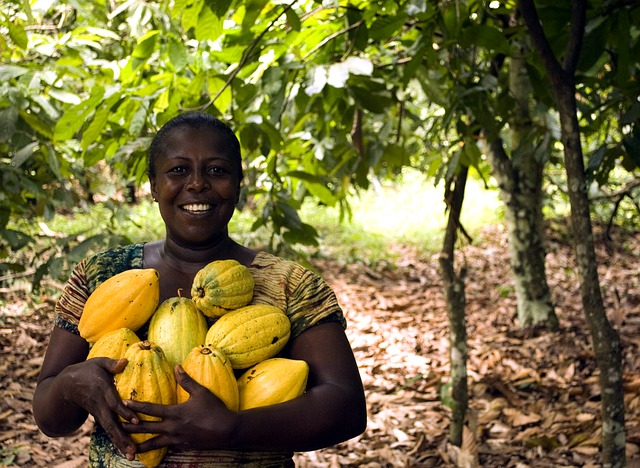
From scorching temperatures and devastating floods to continuous droughts and poor crop harvests, the heavy hand of climate change is too apparent to ignore in Africa.

But though they are already feeling its effects, most Africans are not literate about the glaring climate crisis, according to a study by scientists at the University of Cape Town, South Africa. This can contribute to people feeling hopeless to do anything about it, scientists say.

In a bid to build public awareness, Zimbabwe has rolled out educational programs, while Kenya is finding that music is an effective way to engage people and maintain a public conversation about the issue.

Climate change literacy relates to how people understand the causes of climate change and its potential in the world, said Nicholas Simpson, lead author of the study and a post-doctoral fellow at the African Climate and Development Initiative at the University of Cape Town.

Simpson argued that without climate change literacy people will be less able to adapt to projected adverse economic and environment impacts.

This is especially important in Africa, which is disproportionately experiencing the effects of the climate crisis. Africa accounts for just 3 percent of global carbon dioxide emissions. By comparison, China contributes 23 percent, the United States 19 percent and the European Union 13 percent, according to the United Nations Inter-governmental Panel on Climate Change (IPCC).

Using primary data from the pan-African research organization Afrobarometer, which conducted a public survey in 2018 using nationally representative samples of respondents in 33 African countries, the Cape Town University researchers found that climate change literacy varied substantially between countries. For instance, the climate change literacy rate was 66 percent in Mauritius and 62 percent in Uganda, but only 25 percent in Mozambique and 23 percent in Tunisia.

Researchers identified formal education as the biggest factor contributing to climate literacy in Africa. The study found that the average country-level climate change literacy rates in Africa were 12.8 percent lower for women than men, a likely result of unequal access to education on the continent.

“The good news is that education is generally equally effective in increasing both men’s and women’s climate literacy in Africa,” Simpson said, noting that education interventions were likely to narrow the gender gap on climate literacy. He said understanding such connections is important in proposing policy changes and that shifts in urbanization, education, gender equality and mobility in Africa are likely to increase climate change literacy.

“Climate change is one of the biggest challenges our global community is facing and learning about the causes and consequences of climate change is essential, not only for elected officials and policy makers but also for the general public,” Simpson said. “Only if we understand the problems will we be able to develop appropriate responses to all the economic and societal changes that will emerge due to climate change. Thus, teaching the next generation about climate change is absolutely essential.”

To that end, Zimbabwe — a country highly vulnerable to climate change — has developed and rolled out multi-pronged strategies to educate its citizens on climate change, thereby empowering them to take personal actions in responding to the climate emergency.

“The levels of vulnerability in the country at the moment are exacerbated by the lack of knowledge and information and the non-existence of a coherent strategy which incorporates climate change,” Washington Zhakata, director of the Climate Change Management Department in the Ministry of Environment, Climate, Tourism and Hospitality Industry, told the Alliance for Science.

“We are looking at including climate change specifically in the various syllabi at schools, colleges and up to the tertiary level so that people have the requisite information to empower them for resilience,” Zhakata said. Additionally, Zimbabwe is crafting an inclusive national climate law to support climate change adaptation programs while promoting public awareness.

In Kenya, music is being used to raise public awareness on the climate emergency, which has the country experiencing floods, droughts and a locust invasion. Musician Desmond Majanga recorded a song in which he highlights the impact of climate change and the role of humans in destroying the environment.

He said the song taught him many things about climate change and he is optimistic the messages would be passed on to those who hear it.

“Unlike other songs, which we sing during ceremonies, different organizations are now eager to use the climate change song as a way of addressing the phenomenon,” said Majanga, who is writing another song about biodiversity.

Award-winning Kenyan journalist Isaiah Esipisu, who wrote the lyrics, said the song has been widely aired in Kenya. He described it as a unique concept where journalism has been fused with art.

Esipisu said music, if well-packaged, acts as a conversation starter by strengthening the emotive force of climate change messaging while keeping the climate change conversations public.

“The bulk of climate change messaging in journals and documentaries may lack the qualities and appeal of music, which has the power of repeatability,” Esipisu observed.

While there have been gaps in available climate information, Africa has the political consciousness and the knowledge resources to tackle climate change emergency, said Youba Sokona, vice-chair of the IPCC. But what is missing is an African narrative to drive its own development, he argued.

“Africa needs to have its own development agenda and look at how to make its development sustainable and compatible to climate change which has become a major concept that we have to face at the  development level,” opined Sokona, who is currently the special advisor for sustainable development at the South Centre, a policy institute based in Geneva.

“We need to build our energy system, our agriculture system and infrastructure and we have an opportunity to make them compatible to climate change,” Sokona said. “That means we have options of a zero carbon energy system but we need to invest in knowledge.”

By Busani Bafana


O artigo foi publicado originalmente em Cornell Alliance for Science.
Imprimir Artigo
Publicação Anterior

Projeto vocacionado para as alterações climáticas junta no Alentejo especialistas internacionais

Próxima Publicação

Protecção animal não é o que os animalistas querem que seja – Henrique Pereira dos Santos

Artigos Relacionados

Últimas

Professor Luís Santos Pereira homenageado no XI Congresso Nacional de Rega e Drenagem

02/11/2026
Últimas

«A Biblioteca do século XXI é agregadora da comunidade»

02/11/2026
Últimas

Quando as plantas adoecem, é preciso descobrir porquê

02/11/2026
Próxima Publicação
Henrique Pereira dos Santos

Protecção animal não é o que os animalistas querem que seja - Henrique Pereira dos Santos

Opinião

Últimas

A Grande Narrativa da Alimentação: Alimentar o Mundo ou Alimentar um Sistema?

por José Godinho
01/11/2026

Ler maisDetails
Últimas

Jovens agricultores em Portugal: não partimos todos do mesmo sítio e o género conta

por Maria João Horta Parreira
25/10/2026

Ler maisDetails

Subscrever as nossas newsletteres

Subscrever as nossas Newsletters Agroportal

Verifique na sua caixa de correio ou na pasta de spam para confirmar a sua subscrição.

Comunicados

Orçamento do Estado 2027 fica aquém em áreas como a proteção da floresta, a adaptação climática e a fiscalidade verde

02/11/2026
ACOS

43.ª Ovibeja: O Solo que a TERRA nos dá

02/11/2026
Advertisement

Temas em destaque

Candidaturas PU Global Agri Forum 2026 Guerra Médio Oriente Mercosul Omnibus PAC pós 2027 Simplificação PAC Temporais vinho Água que Une

Eventos

Novembro 2026
STQQSSD
       1
2 3 4 5 6 7 8
9 10 11 12 13 14 15
16 17 18 19 20 21 22
23 24 25 26 27 28 29
30       
« Out   Dez »

Sobre Nós

O Agroportal.pt é uma plataforma de informação digital que reúne a informação relevante sobre agricultura. Tem um foco na Política Agrícola Comum e a sua aplicação em Portugal.

Menu

  • Quem somos
  • Relatórios anuais
  • Envie-nos informação
  • Publicidade
  • Newsletters
  • Estatuto Editorial
  • Ficha técnica
  • Proteção de Dados Pessoais
  • Disclaimer
Facebook twitter Circle Instagram Rss Feed

© Agroportal. All Rights reserved.

Bem-Vindo De Volta!

Sign In with Facebook
Sign In with Google
OR

Faça login na sua conta abaixo

Esqueceu-se da senha? Registar

Criar Uma Nova Conta!

Sign Up with Facebook
Sign Up with Google
OR

Preencha os campos abaixo para se registar

* Ao se registar-se no nosso site, você concorda com os Termos e Condições e a Política de Privacidade .
Todos os campos são necessários. Entrar

Obter a sua senha

Indique por favor o seu nome de utilizador ou endereço de E-mail para repor a sua senha.

Entrar
  • Login
  • Registar
Sem Resultado
Ver Todos Os Resultados
  • Sugeridas
  • Notícias
    • Nacional
    • Internacional
    • Comunicados
  • Opinião
  • Eventos
  • Dossiers
    • Agricultura Biológica
    • Apoios
    • Artigos Técnicos
    • Biossoluções
    • Cadeia Alimentar
    • Fertilizantes
    • Financiamento
    • Fitofarmacêuticos
    • Florestas
    • Futuro da PAC
    • Inovação
    • Mercados e Cotações agrícolas
    • Newsletters e Revistas
    • Recomendações Agroflorestais
    • Seguros agrícolas
  • Serviços
    • Diretório
    • Emprego
    • Máquinas Agrícolas
    • Meteorologia
    • Terrenos Agrícolas
    • Arquivo Agroportal

© Agroportal. All Rights reserved.

Este site usa cookies. Ao continuar a utilizar este site, está a dar consentimento à utilização de cookies. Visite a nossa Política de Protecção de dados e Cookies.