














Sem Resultado
Ver Todos Os Resultados
Newsletters
Agroportal
  • Login
  • Registar
  • Sugeridas
  • Notícias
    • Notícias
    • Nacional
    • Internacional
    • Comunicados

    Liga de clubes e Governo reforçam campanha de prevenção contra incêndios

    Anseme integra Grupo Colaborativo da Estratégia Nacional pela proteína Vegetal

    Anseme integra Projeto de legado do Seed Resilience Fund da ISF

    Ninhos artificiais estão a salvar os francelhos da extinção

    Coimbra preocupada com demora na definição de apoios aos municípios

    Municípios do interior de Leiria querem alertar PR para despovoamento e floresta

    PCP questiona Governo sobre transferência do Campo de Tiro para Alter do Chão

    sheep

    Preço do borrego produzido no Alentejo cai ligeiramente nesta Páscoa

    Agricultores portugueses recebem 1,5 milhões de euros para práticas sustentáveis

  • Opinião

    Jovem Empresário Rural Não Agrícola, Precisam-se!

    Resultados económicos do sector agrícola em 2025: apesar de menos favoráveis do que os dos últimos anos não põem em causa a evolução bastante positiva da última década

    A Grande Ilusão: Porque têm as nossas Confederações medo da rua?

    Pagar pelo “invisível” e o porquê da agricultura portuguesa não pode continuar a oferecer serviços ecológicos “de graça”?

    Quando a água é escassa, a agricultura é um “utilizador como os outros” … ou um setor estratégico que deve ter prioridade?

    Georgete Felix

    Risco climático, Agricultura e ESG

    A Política Agrícola (pouco!) Comum

    Agrovoltaico: quando a energia deixa de ser apenas custo e passa a ser também receita

    Abacate: uma cultura em forte afirmação nas agriculturas de Portugal

  • Eventos
  • Dossiers

    Dossiers I

    • Agricultura Biológica
    • Apoios
    • Artigos Técnicos
    • Biossoluções
    • Cadeia Alimentar
    • Fertilizantes
    • Financiamento
    • Fitofarmacêuticos

    Dossiers II

    • Florestas
    • Futuro da PAC
    • Inovação
    • Mercados
    • Newsletters e Revistas
    • Recomendações Agroflorestais
    • Seguros

    Últimas

    navio contentores mar

    Setor agroalimentar da UE atinge novo recorde de exportações em 2025

    02/04/2026

    Conflito no Médio Oriente: impactos crescentes na cadeia alimentar e nos factores de produção

    02/04/2026

    Coimbra preocupada com demora na definição de apoios aos municípios

    02/04/2026

    Municípios do interior de Leiria querem alertar PR para despovoamento e floresta

    02/04/2026

    Preço do borrego produzido no Alentejo cai ligeiramente nesta Páscoa

    02/04/2026

    Poluição | Bactérias do solo ajudam a “limpar” químicos tóxicos no ambiente

    02/04/2026
  • Serviços
    • Diretório
    • Emprego
    • Máquinas Agrícolas
    • Meteorologia
    • Terrenos Agrícolas
    • Arquivo Agroportal
Agroportal
  • Sugeridas
  • Notícias
    • Notícias
    • Nacional
    • Internacional
    • Comunicados

    Liga de clubes e Governo reforçam campanha de prevenção contra incêndios

    Anseme integra Grupo Colaborativo da Estratégia Nacional pela proteína Vegetal

    Anseme integra Projeto de legado do Seed Resilience Fund da ISF

    Ninhos artificiais estão a salvar os francelhos da extinção

    Coimbra preocupada com demora na definição de apoios aos municípios

    Municípios do interior de Leiria querem alertar PR para despovoamento e floresta

    PCP questiona Governo sobre transferência do Campo de Tiro para Alter do Chão

    sheep

    Preço do borrego produzido no Alentejo cai ligeiramente nesta Páscoa

    Agricultores portugueses recebem 1,5 milhões de euros para práticas sustentáveis

  • Opinião

    Jovem Empresário Rural Não Agrícola, Precisam-se!

    Resultados económicos do sector agrícola em 2025: apesar de menos favoráveis do que os dos últimos anos não põem em causa a evolução bastante positiva da última década

    A Grande Ilusão: Porque têm as nossas Confederações medo da rua?

    Pagar pelo “invisível” e o porquê da agricultura portuguesa não pode continuar a oferecer serviços ecológicos “de graça”?

    Quando a água é escassa, a agricultura é um “utilizador como os outros” … ou um setor estratégico que deve ter prioridade?

    Georgete Felix

    Risco climático, Agricultura e ESG

    A Política Agrícola (pouco!) Comum

    Agrovoltaico: quando a energia deixa de ser apenas custo e passa a ser também receita

    Abacate: uma cultura em forte afirmação nas agriculturas de Portugal

  • Eventos
  • Dossiers

    Dossiers I

    • Agricultura Biológica
    • Apoios
    • Artigos Técnicos
    • Biossoluções
    • Cadeia Alimentar
    • Fertilizantes
    • Financiamento
    • Fitofarmacêuticos

    Dossiers II

    • Florestas
    • Futuro da PAC
    • Inovação
    • Mercados
    • Newsletters e Revistas
    • Recomendações Agroflorestais
    • Seguros

    Últimas

    navio contentores mar

    Setor agroalimentar da UE atinge novo recorde de exportações em 2025

    02/04/2026

    Conflito no Médio Oriente: impactos crescentes na cadeia alimentar e nos factores de produção

    02/04/2026

    Coimbra preocupada com demora na definição de apoios aos municípios

    02/04/2026

    Municípios do interior de Leiria querem alertar PR para despovoamento e floresta

    02/04/2026

    Preço do borrego produzido no Alentejo cai ligeiramente nesta Páscoa

    02/04/2026

    Poluição | Bactérias do solo ajudam a “limpar” químicos tóxicos no ambiente

    02/04/2026
  • Serviços
    • Diretório
    • Emprego
    • Máquinas Agrícolas
    • Meteorologia
    • Terrenos Agrícolas
    • Arquivo Agroportal
Sem Resultado
Ver Todos Os Resultados
Agroportal
corn

Increase in temperature and extreme heat stress responsible for global reduction in maize yield

por Cornell Alliance for Science
05-05-2023 | 00:00
em Últimas, Internacional, Notícias inovação
Tempo De Leitura: 4 mins
A A
Partilhe no FacebookPartilhe no TwitterEnviar para o WhatsappEnviar para o TelegramEnviar para o LinkedIn

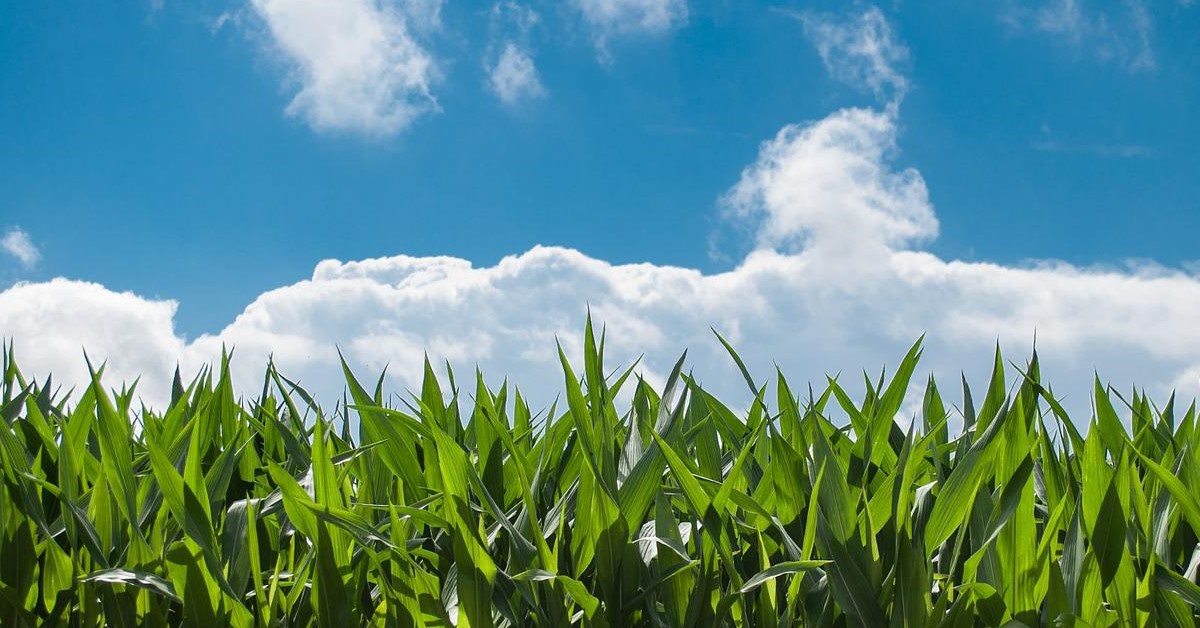
Heat stress is harmful to maize and can adversely affect production if not closely monitored and controlled, an expert has cautioned.

Dr Katie Murphy, Principal Investigator and Director of Plant Phenotyping at Donald Danforth Plant Science Center says results from an experiment they conducted in their phenotyping facility show that heat reduces plant size in all maize genotypes.

The results of the experiment further indicate that heat stress makes maize plants less green, although a strong effect on the green does not necessarily mean a strong effect on growth.

Climate change will affect agricultural production worldwide, with average global crop yields for maize expected to decrease by 24 percent by the late century, if current climate change trends continue.

“However, heat stress at early stages of maize plants [where the experiment was conducted] will affect long-term growth, so understanding heat tolerance at this early stage is important and relevant,” said Dr Murphy.

She made a presentation titled Beat the Heat: How maize responds to heat stress in a seminar at Cornell University in the United States.

Her experiment lifts the lid on how much heat maize and, by extension, other plants can take and still give maximum yield.

Plant phenotyping refers to a quantitative description of the plant’s anatomical, ontogenetic, physiological, and biochemical properties.

In a paper published by the National Library of Medicine, Ahmed H El-Sappah and others write that an increase in temperature and extreme heat stress is responsible for the global reduction in maize yield.

“Despite the explored molecular mechanism underlying heat stress response in some plant species, the precise genetic engineering of maize is required to develop high heat-tolerant varieties,” reads the paper.

In their experiment, Dr Murphy and her team tested 2,280 plants from 47 inbred maize varieties using image-based phenotyping and the results showed that tolerant plants were bigger under heat stress but not smaller under control conditions.

Plant phenotyping, according to the Plant Methods journal, refers to a quantitative description of the plant’s anatomical, ontogenetic, physiological, and biochemical properties.

A paper published in the Journal of Integrative Agriculture indicates that maize may suffer from heat stress in all of the growth stages, either continuously or separately.

Dr Murphy says image-based phenotyping is affordable, non-destructive, and data-intensive.

She said that even though determining heat stress in maize is important at an early stage, it is equally crucial at the reproductive stage when the plants are shedding pollen to measure its impact on yield.

“If it’s not hot, you are not going to get a high yield because your pollen is kaput. So our experiment did not measure the impact of heat stress on yield because of the stage of the plant, but if your plant is dead, there is no yield,” she said, adding that she will still explore more to determine the effect of heat stress on ultimate maize production.

A paper published in the Journal of Integrative Agriculture indicates that maize may suffer from heat stress in all of the growth stages, either continuously or separately.

Elevated heat stress experienced by maize can be countered through several agronomic management practices such as soil and nutrient management, plantation rate, timing, crop rotation, and irrigation.

“Studies have shown that future heat waves through the second half of the 21st century will become more intense, more frequent, and longer lasting. Therefore, even larger reductions in yield will be caused by the more frequent extreme heat stress events in the future,” reads the paper.

Another paper published by Frontiers says that heat stress mainly damages the pollen grains, thus lowering maize grain number, while other field studies have shown that heat stress after pollination results in kernel abortion.

“A suboptimal temperature at any critical stage for a prolonged duration can negatively affect the growth and yield formation processes,” says yet another paper published by the National Library of Medicine.

As experts and farmers consider other climate factors such as rainfall and their impact on maize production, studies show that temperature is equally important.

However, all is not lost. El-Sappah and his co-authors say that elevated heat stress experienced by maize can be countered through several agronomic management practices such as soil and nutrient management, plantation rate, timing, crop rotation, and irrigation.

Asked whether one can predict how a plant will react to stress based on its seed, Dr Murphy said: “We don’t know yet. We are working on it and we don’t know how it will go.”

She however said that her experiment is important as it will enable them and other scientists to prepare plants for future climates.

Therefore, as experts and farmers consider other climate factors such as rainfall and their impact on maize production, studies, including Dr Murphy’s experiment, are a testament that temperature is equally important.

Other studies indicate that climate change will affect agricultural production worldwide, with average global crop yields for maize expected to decrease by 24 percent by the late century, if current climate change trends continue.

O artigo foi publicado originalmente em Cornell Alliance for Science.

Imprimir Artigo
Publicação Anterior

Incêndios: 20ME do programa Condomínios de Aldeia com 417 candidaturas

Próxima Publicação

Rússia e ONU discutem a exportação de cereais

Artigos Relacionados

Nacional

Liga de clubes e Governo reforçam campanha de prevenção contra incêndios

02/04/2026
Últimas

ISF divulga Relatório de Atividades 2025

02/04/2026
Últimas

Anseme integra Grupo Colaborativo da Estratégia Nacional pela proteína Vegetal

02/04/2026
Próxima Publicação

Rússia e ONU discutem a exportação de cereais

Opinião

Últimas

Jovem Empresário Rural Não Agrícola, Precisam-se!

por José Martino
29/03/2026

Ler mais
Últimas

Resultados económicos do sector agrícola em 2025: apesar de menos favoráveis do que os dos últimos anos não põem em causa a evolução bastante positiva da última década

por Francisco Avillez e Manuela Nina Jorge
22/03/2026

Ler mais

Subscrever as nossas newsletteres

Subscrever as nossas Newsletters Agroportal

Verifique na sua caixa de correio ou na pasta de spam para confirmar a sua subscrição.

Comunicados

Anseme integra Grupo Colaborativo da Estratégia Nacional pela proteína Vegetal

02/04/2026

Anseme integra Projeto de legado do Seed Resilience Fund da ISF

02/04/2026
Advertisement

Temas em destaque

Candidaturas PU Guerra Médio Oriente Mercosul PAC pós 2027 Simplificação PAC Temporais Água que Une

Eventos

Abril 2026
STQQSSD
   1 2 3 4 5
6 7 8 9 10 11 12
13 14 15 16 17 18 19
20 21 22 23 24 25 26
27 28 29 30    
« Mar   Mai »

Sobre Nós

O Agroportal.pt é uma plataforma de informação digital que reúne a informação relevante sobre agricultura. Tem um foco na Política Agrícola Comum e a sua aplicação em Portugal.

Menu

  • Quem somos
  • Relatórios anuais
  • Envie-nos informação
  • Publicidade
  • Newsletters
  • Estatuto Editorial
  • Ficha técnica
  • Proteção de Dados Pessoais
  • Disclaimer
Facebook twitter Circle Instagram Rss Feed

© Agroportal. All Rights reserved.

  • Login
  • Registar
Sem Resultado
Ver Todos Os Resultados
  • Sugeridas
  • Notícias
    • Nacional
    • Internacional
    • Comunicados
  • Opinião
  • Eventos
  • Dossiers
    • Agricultura Biológica
    • Apoios
    • Artigos Técnicos
    • Biossoluções
    • Cadeia Alimentar
    • Fertilizantes
    • Financiamento
    • Fitofarmacêuticos
    • Florestas
    • Futuro da PAC
    • Inovação
    • Mercados e Cotações agrícolas
    • Newsletters e Revistas
    • Recomendações Agroflorestais
    • Seguros agrícolas
  • Serviços
    • Diretório
    • Emprego
    • Máquinas Agrícolas
    • Meteorologia
    • Terrenos Agrícolas
    • Arquivo Agroportal

© Agroportal. All Rights reserved.

Bem-Vindo De Volta!

Sign In with Facebook
Sign In with Google
OU

Faça login na sua conta abaixo

Esqueceu-se da senha? Registar

Criar Uma Nova Conta!

Sign Up with Facebook
Sign Up with Google
OU

Preencha os campos abaixo para se registar

* Ao se registar-se no nosso site, você concorda com os Termos e Condições e a Política de Privacidade .
Todos os campos são necessários. Entrar

Obter a sua senha

Indique por favor o seu nome de utilizador ou endereço de E-mail para repor a sua senha.

Entrar
Este site usa cookies. Ao continuar a utilizar este site, está a dar consentimento à utilização de cookies. Visite a nossa Política de Protecção de dados e Cookies.