












Sem Resultado
Ver Todos Os Resultados
Newsletters
Agroportal
  • Login
  • Registar
  • Sugeridas
  • Notícias
    • Notícias
    • Nacional
    • Internacional
    • Comunicados

    Feira de S. Bernardo comemora 25 anos da Maçã de Alcobaça

    Há engenheiros aeroespaciais a trabalhar na agricultura?

    Bairrada espera aumento de 10 a 15% de produção de vinho e ótima qualidade

    Em seis meses arderam 53.731 hectares em Portugal. O segundo pior registo desde Pedrógão

    Agricultura de precisão é usada por 18% das explorações agrícolas da UE

    bombeiros chamas

    Arronches: Incêndio agrícola mobiliza mais de meia centena de operacionais

    farm land

    FAO apoiou 5.640 famílias moçambicanas afetadas por conflito e choques climáticos

    Incêndio florestal na Califórnia alastra para mais de dois mil hectares e destrói vários edifícios

    FAO lança programa global para combater doenças animais transfronteiriças

  • Opinião
    António Covas

    O mundo paradoxal do nosso rural tardio e remoto

    Azeites de Portugal: tratar diferente o que é diferente

    Manuel Chaveiro Soares

    Sobre a excelência da alimentação em Portugal

    Produzir bem já não chega: eficiência, estratégia e os desafios da engorda de bovinos

    Segurança Alimentar Europeia Como Ativo Estratégico

    Sabemos distinguir um frango do campo. Porque não conseguimos distinguir um Azeite de Olival Tradicional?

    Carlos Neves

    Promoções que despromovem a produção de leite de Portugal

    Georgete Felix

    O balanço invisível da agricultura

    Acordo UE-Mercosul

  • Eventos
  • Dossiers

    Dossiers I

    • Agricultura Biológica
    • Apoios
    • Artigos Técnicos
    • Biossoluções
    • Cadeia Alimentar
    • Fertilizantes
    • Financiamento
    • Fitofarmacêuticos

    Dossiers II

    • Florestas
    • Futuro da PAC
    • Inovação
    • Mercados
    • Newsletters e Revistas
    • Recomendações Agroflorestais
    • Seguros

    Últimas

    porcos

    Cotações – Suínos – 27 de julho a 02 de agosto de 2026

    06/08/2026

    Agricultura de precisão é usada por 18% das explorações agrícolas da UE

    06/08/2026

    Cotações – Aves e Ovos – 27 de julho a 02 de agosto de 2026

    06/08/2026

    Cotações – Azeite e Azeitona – 27 de julho a 02 de agosto de 2026

    06/08/2026

    Mercado de máquinas e reboques agrícolas em Portugal – Julho de 2026

    05/08/2026

    Cotações – Cortiça – 27 de julho a 02 de agosto de 2026

    05/08/2026
  • Serviços
    • Diretório
    • Emprego
    • Máquinas Agrícolas
    • Meteorologia
    • Terrenos Agrícolas
    • Arquivo Agroportal
Agroportal
  • Sugeridas
  • Notícias
    • Notícias
    • Nacional
    • Internacional
    • Comunicados

    Feira de S. Bernardo comemora 25 anos da Maçã de Alcobaça

    Há engenheiros aeroespaciais a trabalhar na agricultura?

    Bairrada espera aumento de 10 a 15% de produção de vinho e ótima qualidade

    Em seis meses arderam 53.731 hectares em Portugal. O segundo pior registo desde Pedrógão

    Agricultura de precisão é usada por 18% das explorações agrícolas da UE

    bombeiros chamas

    Arronches: Incêndio agrícola mobiliza mais de meia centena de operacionais

    farm land

    FAO apoiou 5.640 famílias moçambicanas afetadas por conflito e choques climáticos

    Incêndio florestal na Califórnia alastra para mais de dois mil hectares e destrói vários edifícios

    FAO lança programa global para combater doenças animais transfronteiriças

  • Opinião
    António Covas

    O mundo paradoxal do nosso rural tardio e remoto

    Azeites de Portugal: tratar diferente o que é diferente

    Manuel Chaveiro Soares

    Sobre a excelência da alimentação em Portugal

    Produzir bem já não chega: eficiência, estratégia e os desafios da engorda de bovinos

    Segurança Alimentar Europeia Como Ativo Estratégico

    Sabemos distinguir um frango do campo. Porque não conseguimos distinguir um Azeite de Olival Tradicional?

    Carlos Neves

    Promoções que despromovem a produção de leite de Portugal

    Georgete Felix

    O balanço invisível da agricultura

    Acordo UE-Mercosul

  • Eventos
  • Dossiers

    Dossiers I

    • Agricultura Biológica
    • Apoios
    • Artigos Técnicos
    • Biossoluções
    • Cadeia Alimentar
    • Fertilizantes
    • Financiamento
    • Fitofarmacêuticos

    Dossiers II

    • Florestas
    • Futuro da PAC
    • Inovação
    • Mercados
    • Newsletters e Revistas
    • Recomendações Agroflorestais
    • Seguros

    Últimas

    porcos

    Cotações – Suínos – 27 de julho a 02 de agosto de 2026

    06/08/2026

    Agricultura de precisão é usada por 18% das explorações agrícolas da UE

    06/08/2026

    Cotações – Aves e Ovos – 27 de julho a 02 de agosto de 2026

    06/08/2026

    Cotações – Azeite e Azeitona – 27 de julho a 02 de agosto de 2026

    06/08/2026

    Mercado de máquinas e reboques agrícolas em Portugal – Julho de 2026

    05/08/2026

    Cotações – Cortiça – 27 de julho a 02 de agosto de 2026

    05/08/2026
  • Serviços
    • Diretório
    • Emprego
    • Máquinas Agrícolas
    • Meteorologia
    • Terrenos Agrícolas
    • Arquivo Agroportal
Sem Resultado
Ver Todos Os Resultados
Agroportal
ADN hélice mão

Scientists to sequence African species to safeguard biodiversity and secure food supplies 

por Cornell Alliance for Science
14-02-2023 | 08:18
em Últimas, Internacional, Notícias inovação
Tempo De Leitura: 5 mins
A A
Partilhe no FacebookPartilhe no TwitterEnviar para o WhatsappEnviar para o TelegramEnviar para o LinkedIn

Conservation scientists in Africa have started to collect and store genomic information on plants, animals, and other eukaryotic organisms on the continent to safeguard their biodiversity and enable breeders to produce resilient and sustainable foods.

They are doing this under a new initiative dubbed the Nelson Mandela Genomes Initiative for Conservation of Nature.

The initiative is part of a bigger African BioGenome Project that wants to sequence more than 100,000 species to safeguard biodiversity and secure food supplies.

Ntanganedzeni Olivia Mapholi, Associate Professor in Animal Genomics and Head of the Department of Agriculture and Animal Health at the University of South Africa (UNISA), said the scientists want to sequence some more than 25 “culturally and scientifically” relevant African endemic species such as the Nguni cattle and thorn apple that have never been sequenced.

Africa hosts about 45,000 plant species and contributes the second-largest global plant diversity after Southern America, but fewer of these have been sequenced.

The scientists have received 166,676 dollars from UNISA to start the three-year initiative.

They are working with the Vertebrate Genomes Project and the Tree of Life to sequence the organisms.

Africa hosts about 45,000 plant species and contributes the second-largest global plant diversity after Southern America, but fewer of these have been sequenced.

Appolinaire Djikeng, a genomics scientist and director general of the International Livestock Research Institute (ILRI), said fewer species from the continent have been sequenced in part because “we have invested limited resources into genomic research.” 

“You cannot lead in an area if you are not investing in it,” he said. 

The scientists under the initiative want to change that.

Mapholi said they are sequencing genomes of very significant species, with cultural and economic value.

They have identified local hubs from across the continent they are working with to sequence the selected species. They are starting with the Nguni cattle, bitter Aloe, and gum acacia among others.

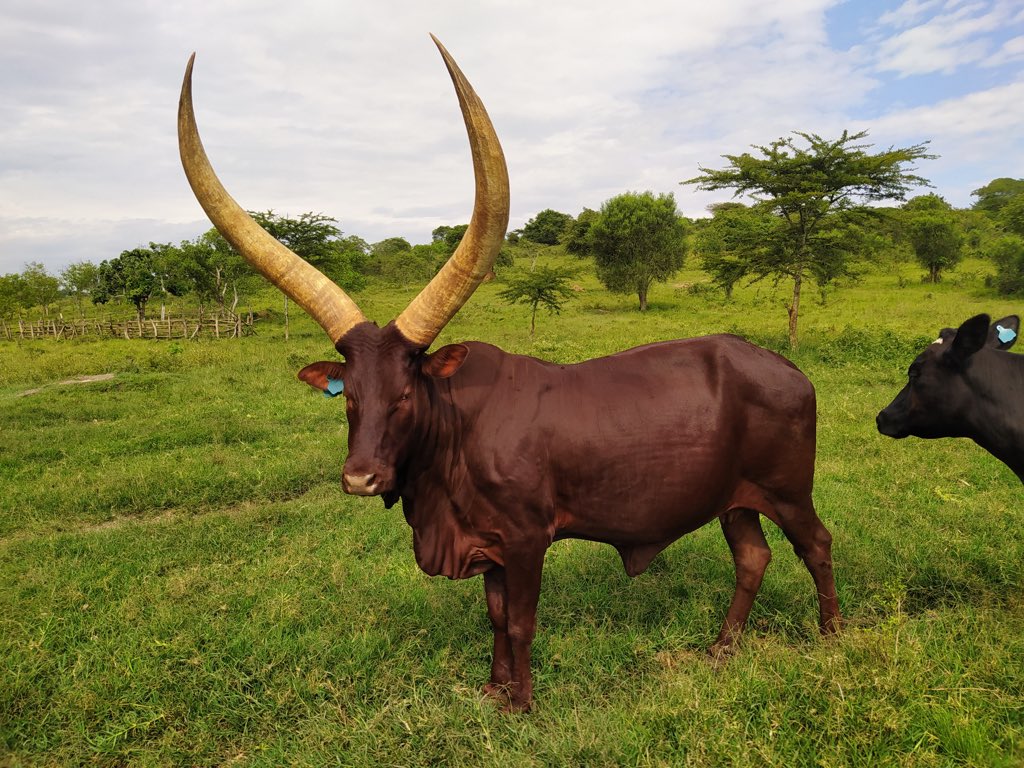
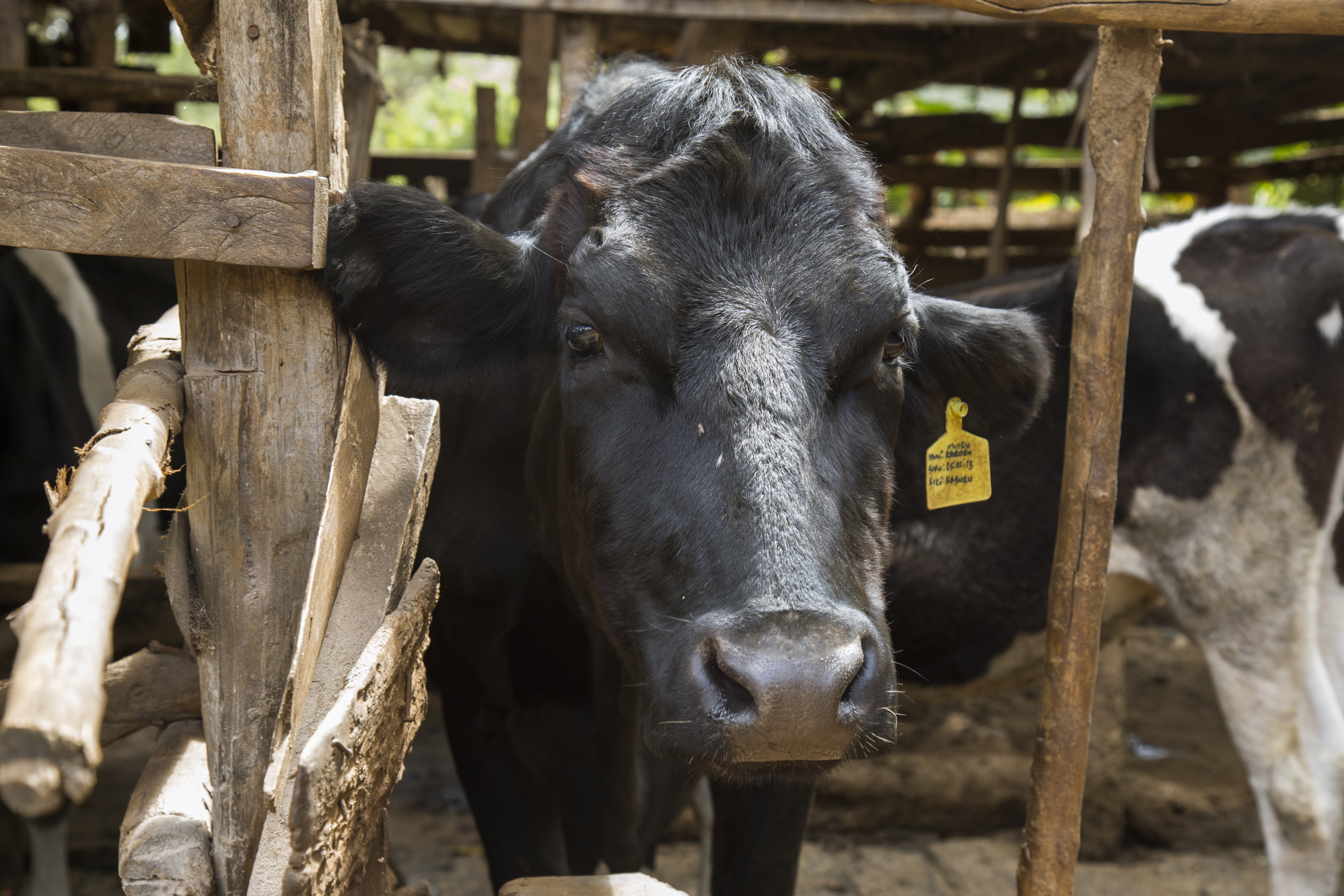
“The Nguni cattle is one of the indigenous cattle in Southern Africa, found in Mozambique and Zimbabwe,” said Mapholi. “It is resistant to a lot of diseases and parasites including ticks.”

The scientists want to see how they can improve its breed and have retrieved the animal’s tissue samples and are processing them for DNA.
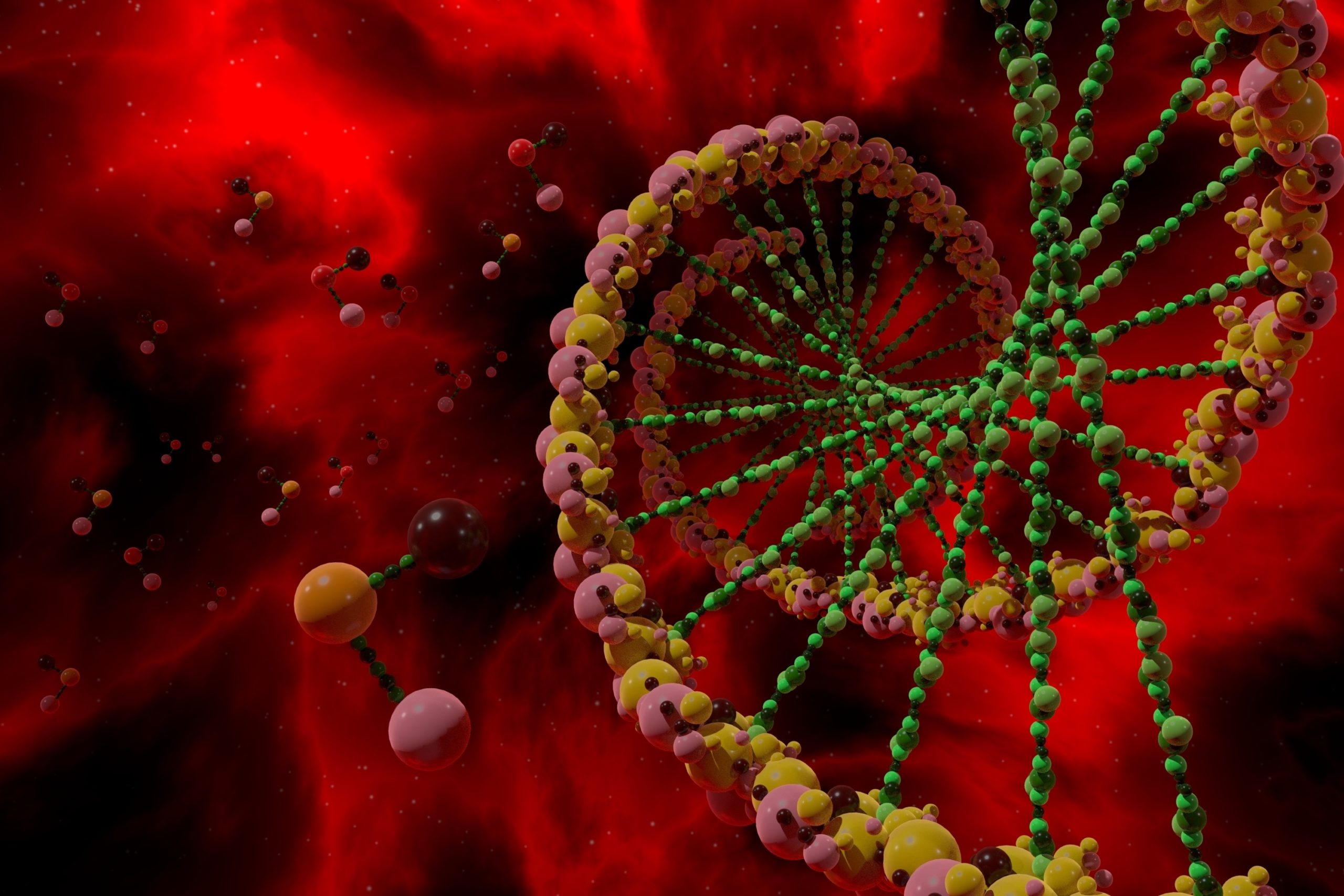
They will then use various systems such as Illumina to sequence the species and determine its genetic makeup.

“It is the DNA which we sequence,” said Mapholi. “It is a detailed process which, at times, can take up to four days to give us a good breed. We insist on good quality tissue samples because better genomic selection can allow us to get better bulls, which farmers can breed to improve farm productivity,” she said.

Under the initiative, they are also training local scientists in new genomic technologies and bioinformatics to promote the development and use of mobile and integrated sequencing laboratories.

Community of scientists 
They are hosting virtual bioinformatics workshops across African countries including Kenya, Zambia, Tanzania, Nigeria, and South Africa to build capacities for local genome sequencing and bioinformatics.

They say this will lessen the gap in genomics technologies and innovation between the global north and global south.

“It will help us to domiciliate genomics in Africa,” said Djikeng. “It will enable us to train our scientists, not just in genomics, but also in research and application of these technologies.”

Ultimately, the initiative will help grow a community of scientists who are “speaking the same language and lobbying in the same way and demonstrate strong evidence that some discoveries are coming out of Africa,” he said.

Focusing on knowledge exchange
This will accelerate plant and animal breeding on the continent.

“It will aid our ability to develop new varieties that are resilient and can improve adaptation to climate change and drive productivity,” said Djikeng.

ThankGod Ebenezer, Bioinformatician at the European Bioinformatics Institute and co-chair of the AfricaBP, said the scientists are also focusing on knowledge exchange.

For instance, for gene sequencing, they want to capture at least one species from each region. African scientists will be able to get the trajectory and be involved from the sampling to the sequencing and the analysis stages.

He said the initiative will also provide recommendations for the harmonization of the Nagoya Protocol on Access to Genetic Resources and Equitable Sharing of Benefits arising from their utilization in Africa.

African-driven research investment  

Djikeng commended UNISA for funding the initiative but called for more investment in genomics research in Africa.

“If you look at innovations that have been driven by genomics for the past 20 or 30 years, it is a trillion dollars industry. But we (Africa) are not getting much from it yet we sit on massive biodiversity.”

“Foreign foundations and governments have funded much of the genomics research in Africa. But we need to start driving our research investment,” he said, adding that if funding is externally driven, it can “make us feel we are driving our agenda, but really, it is not our agenda.”

‘We cannot become complacent, especially now genomics technology companies are setting up their technologies in Africa,” said Djikeng. “We need to invest in research and make use of these (companies) to drive our genomic portfolio.”

O artigo foi publicado originalmente em Cornell Alliance for Science.
Imprimir Artigo
Publicação Anterior

Solos: Alentejo é caso de estudo de projecto europeu de 6,9 milhões de euros

Próxima Publicação

Investigadora diz que medidas para erradicar ‘Xylella fastidiosa’ “não são adequadas”

Artigos Relacionados

Nacional

Feira de S. Bernardo comemora 25 anos da Maçã de Alcobaça

06/08/2026
porcos
Cotações PT

Cotações – Suínos – 27 de julho a 02 de agosto de 2026

06/08/2026
Nacional

Há engenheiros aeroespaciais a trabalhar na agricultura?

06/08/2026
Próxima Publicação

Investigadora diz que medidas para erradicar 'Xylella fastidiosa' "não são adequadas"

Opinião

António Covas
Últimas

O mundo paradoxal do nosso rural tardio e remoto

por António Covas
02/08/2026

Ler maisDetails
Últimas

Azeites de Portugal: tratar diferente o que é diferente

por José Martino
26/07/2026

Ler maisDetails

Subscrever as nossas newsletteres

Subscrever as nossas Newsletters Agroportal

Verifique na sua caixa de correio ou na pasta de spam para confirmar a sua subscrição.

Comunicados

AJAP

Projeto Rural Innovation Challenges procura candidaturas inovadoras para os territórios rurais: faltam 10 dias para concorrer a mais de 20 mil euros em prémios

06/08/2026
Rewilding Portugal

Rewilding Portugal realiza primeira reintrodução de coelho-bravo em área rewilding

06/08/2026
Advertisement

Temas em destaque

Candidaturas PU Guerra Médio Oriente Mercosul ovibeja PAC pós 2027 Simplificação PAC Temporais vinho Água que Une

Eventos

Agosto 2026
STQQSSD
      1 2
3 4 5 6 7 8 9
10 11 12 13 14 15 16
17 18 19 20 21 22 23
24 25 26 27 28 29 30
31       
« Jul   Set »

Sobre Nós

O Agroportal.pt é uma plataforma de informação digital que reúne a informação relevante sobre agricultura. Tem um foco na Política Agrícola Comum e a sua aplicação em Portugal.

Menu

  • Quem somos
  • Relatórios anuais
  • Envie-nos informação
  • Publicidade
  • Newsletters
  • Estatuto Editorial
  • Ficha técnica
  • Proteção de Dados Pessoais
  • Disclaimer
Facebook twitter Circle Instagram Rss Feed

© Agroportal. All Rights reserved.

Bem-Vindo De Volta!

Sign In with Facebook
Sign In with Google
OR

Faça login na sua conta abaixo

Esqueceu-se da senha? Registar

Criar Uma Nova Conta!

Sign Up with Facebook
Sign Up with Google
OR

Preencha os campos abaixo para se registar

* Ao se registar-se no nosso site, você concorda com os Termos e Condições e a Política de Privacidade .
Todos os campos são necessários. Entrar

Obter a sua senha

Indique por favor o seu nome de utilizador ou endereço de E-mail para repor a sua senha.

Entrar
  • Login
  • Registar
Sem Resultado
Ver Todos Os Resultados
  • Sugeridas
  • Notícias
    • Nacional
    • Internacional
    • Comunicados
  • Opinião
  • Eventos
  • Dossiers
    • Agricultura Biológica
    • Apoios
    • Artigos Técnicos
    • Biossoluções
    • Cadeia Alimentar
    • Fertilizantes
    • Financiamento
    • Fitofarmacêuticos
    • Florestas
    • Futuro da PAC
    • Inovação
    • Mercados e Cotações agrícolas
    • Newsletters e Revistas
    • Recomendações Agroflorestais
    • Seguros agrícolas
  • Serviços
    • Diretório
    • Emprego
    • Máquinas Agrícolas
    • Meteorologia
    • Terrenos Agrícolas
    • Arquivo Agroportal

© Agroportal. All Rights reserved.

Este site usa cookies. Ao continuar a utilizar este site, está a dar consentimento à utilização de cookies. Visite a nossa Política de Protecção de dados e Cookies.