
















Sem Resultado
Ver Todos Os Resultados
Newsletters
Agroportal
  • Login
  • Registar
  • Sugeridas
  • Notícias
    • Notícias
    • Nacional
    • Internacional
    • Comunicados

    Governo vai investir mais 4,5 ME no Aproveitamento Hidroagrícola do Xévora em Campo Maior

    Aumentar a produtividade em contexto de crescimento generalizado de preços

    Proteção Civil alerta para previsão meteorológica favorável a incêndios rurais

    Guarda: Projeto “Heróis da Fruta” faz subir os lanches saudáveis para 80% nas escolas do distrito

    javali

    Governo vai pagar 50 euros por javali macho e 70 euros por fêmea para aumentar abates

    Miranda do Douro: Cidade acolhe pela primeira vez encontro de apicultores da Terra de Miranda

    Albergaria-a-Velha: Festival Internacional de Cinema Documental sobre o pão regressa a 18

    food fork knife

    Alunos de Castro Verde levam aplicação contra o desperdício alimentar à final nacional do Apps for Good

    São Pedro do Sul: Município reivindica integração no projeto-piloto nacional para o controlo dos javalis

  • Opinião

    Solo: A Infraestrutura Invisível da Adaptação Climática

    Ibéria: a terra prometida a quem?

    O Impacto da agricultura regenerativa sobre os resultados económicos das explorações agrícolas

    Ibéria – a terra prometida

    O dia em que a Europa descobrir o elevado preço de não produzir

    As cooperativas não pagam IRC. E depois?

    500 milhões de Euros por Ano Não Chega Sem Planeamento

    António Covas

    O mundo paradoxal do nosso rural tardio e remoto

    Azeites de Portugal: tratar diferente o que é diferente

  • Eventos
  • Dossiers

    Dossiers I

    • Agricultura Biológica
    • Apoios
    • Artigos Técnicos
    • Biossoluções
    • Cadeia Alimentar
    • Fertilizantes
    • Financiamento
    • Fitofarmacêuticos

    Dossiers II

    • Florestas
    • Futuro da PAC
    • Inovação
    • Mercados
    • Newsletters e Revistas
    • Recomendações Agroflorestais
    • Seguros

    Últimas

    Gasóleo agrícola mantém apoio de 10 cêntimos até ao final do ano

    14/09/2026
    pepac logo 23 27

    PEPAC 2023-2027: Pedidos de alteração de datas disponíveis

    14/09/2026

    Europe’s fertiliser dilemma: Balancing affordability, competitiveness and strategic autonomy

    14/09/2026

    Reestruturação de vinhas tem apoio excecional de 5 milhões de euros

    14/09/2026

    Clube Produtores Florestais alia-se a John Deere, Hitachi, Komatsu e Vicort para acelerar a modernização florestal

    14/09/2026

    Sapadores florestais, do apego à função ao desejo de uma carreira

    13/09/2026
  • Serviços
    • Diretório
    • Emprego
    • Máquinas Agrícolas
    • Meteorologia
    • Terrenos Agrícolas
    • Arquivo Agroportal
Agroportal
  • Sugeridas
  • Notícias
    • Notícias
    • Nacional
    • Internacional
    • Comunicados

    Governo vai investir mais 4,5 ME no Aproveitamento Hidroagrícola do Xévora em Campo Maior

    Aumentar a produtividade em contexto de crescimento generalizado de preços

    Proteção Civil alerta para previsão meteorológica favorável a incêndios rurais

    Guarda: Projeto “Heróis da Fruta” faz subir os lanches saudáveis para 80% nas escolas do distrito

    javali

    Governo vai pagar 50 euros por javali macho e 70 euros por fêmea para aumentar abates

    Miranda do Douro: Cidade acolhe pela primeira vez encontro de apicultores da Terra de Miranda

    Albergaria-a-Velha: Festival Internacional de Cinema Documental sobre o pão regressa a 18

    food fork knife

    Alunos de Castro Verde levam aplicação contra o desperdício alimentar à final nacional do Apps for Good

    São Pedro do Sul: Município reivindica integração no projeto-piloto nacional para o controlo dos javalis

  • Opinião

    Solo: A Infraestrutura Invisível da Adaptação Climática

    Ibéria: a terra prometida a quem?

    O Impacto da agricultura regenerativa sobre os resultados económicos das explorações agrícolas

    Ibéria – a terra prometida

    O dia em que a Europa descobrir o elevado preço de não produzir

    As cooperativas não pagam IRC. E depois?

    500 milhões de Euros por Ano Não Chega Sem Planeamento

    António Covas

    O mundo paradoxal do nosso rural tardio e remoto

    Azeites de Portugal: tratar diferente o que é diferente

  • Eventos
  • Dossiers

    Dossiers I

    • Agricultura Biológica
    • Apoios
    • Artigos Técnicos
    • Biossoluções
    • Cadeia Alimentar
    • Fertilizantes
    • Financiamento
    • Fitofarmacêuticos

    Dossiers II

    • Florestas
    • Futuro da PAC
    • Inovação
    • Mercados
    • Newsletters e Revistas
    • Recomendações Agroflorestais
    • Seguros

    Últimas

    Gasóleo agrícola mantém apoio de 10 cêntimos até ao final do ano

    14/09/2026
    pepac logo 23 27

    PEPAC 2023-2027: Pedidos de alteração de datas disponíveis

    14/09/2026

    Europe’s fertiliser dilemma: Balancing affordability, competitiveness and strategic autonomy

    14/09/2026

    Reestruturação de vinhas tem apoio excecional de 5 milhões de euros

    14/09/2026

    Clube Produtores Florestais alia-se a John Deere, Hitachi, Komatsu e Vicort para acelerar a modernização florestal

    14/09/2026

    Sapadores florestais, do apego à função ao desejo de uma carreira

    13/09/2026
  • Serviços
    • Diretório
    • Emprego
    • Máquinas Agrícolas
    • Meteorologia
    • Terrenos Agrícolas
    • Arquivo Agroportal
Sem Resultado
Ver Todos Os Resultados
Agroportal
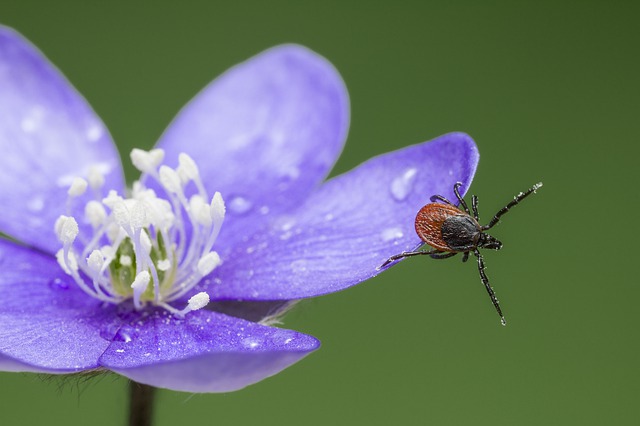
carraça

African researchers: Tick vaccines can stop use of dangerous pesticides

por Cornell Alliance for Science
02-05-2022 | 14:44
em Últimas, Internacional, Notícias inovação
Tempo De Leitura: 5 mins
A A
Partilhe no FacebookPartilhe no TwitterEnviar para o WhatsappEnviar para o TelegramEnviar para o LinkedIn

Scientists in Uganda will soon start clinical trials for a recombinant anti-tick vaccine they hope can stop parasites in cattle and the use of dangerous chemical pesticides in Africa.

Over the years, African farmers have used pesticides known as acaricides to control the ticks. But the parasites are increasingly becoming resistant to most of the available acaricides on the continent, reducing their effectiveness.

Additionally, the overuse and misuse of acardices can cause health problems in humans and harm beneficial insects.

Now researchers in Kenya and Uganda are hoping to find alternatives to chemical pesticides, including plant-based repellants and vaccines produced through genetic engineering.

Researchers in Uganda used the baculovirus expression system to isolate genes (Ra86 gut protein) from local Rhipicephalus appendiculatusticks that spread the deadly East Coast Fever (ECF) in cattle. Later, they synthesised the genes with yeast to formulate the vaccine.

They evaluated the experimental vaccine — known as TicVac-U — in mice, rabbits and cattle for safety, immunogenicity and effectiveness. Researchers determined the vaccine is safe.

“It caused no temperature rise or any adverse effects on the immunized animals,” said Dr. Margaret Saimo-Kahwa, lead researcher and senior lecturer at the College of Veterinary Medicine, Animal Resources and Biosecurity at Makerere University.

They found it also protected the bovines against R. appendiculatus and R. decoloratus tick species by 86 percent and 53 percent, respectively, she said.

“The vaccine elicited an immune response that made it harder for ticks to survive on the livestock,” Saimo-Kahwa said.

Now, the scientists will test the experimental vaccine at a 300-acre livestock farm at Ngoma, in central Uganda, before they can determine whether to make it available to farmers.


Meanwhile, scientists at the International Livestock Research Institute (ILRI) in Kenya are working with partners across Africa to develop new vaccines for tick-borne diseases (TBDs) such as heartwater, which attacks sheep and goats.

ILRI scientists are also developing point-of-care diagnostics that can help farmers detect acaricide resistance early. They are also testing plant extracts as alternatives to chemical acaricides.

“With the emergence of acaricide resistance in many tick populations in the region, we have to think of new solutions to stop these ticks,” said Dr. Naftaly Githaka, who leads ILRI’s research on ticks and TBDs. “These new technologies have potential to reduce ticks and the amount of acaricides required to control ticks on animals.”

Specifically, anti-tick vaccines can lessen the challenge of ticks because they reduce the number of eggs a tick lays, subsequently reducing the number of ticks in the pasture, he explained.

Livestock is an important source of protein in Africa and contributes about 35 percent of agricultural GDP on the continent. But ticks, including R. appendiculatus, Amblyomma variegatum (which spreads heartwater) and Boophilus decoloratus and Boophilus microplus, which transmit both babesiosis and anaplasmosis, devastate the animals.

Every year ticks and TBDs cause cattle wasting and deaths, resulting in animals suffering and economic losses in excess of $500 million on the continent.

For instance, ECF alone kills more than one million cattle annually, affecting thousands of smallholder farmers in Africa. Treatment of the disease costs about $100 per animal.

“Ticks are nasty ectoparasites that suck copious amounts of blood from their animal hosts leading to weight loss, irritation, deep wounds, tick worry in famers and of course disease transmission,” said Githaka.

The parasites can also spread human-tick-borne viruses such as Crimean-Congo hemorrhagic fever virus (CCHFV).

Githaka said the rise of acaricide resistance in Africa is mainly due to farmer misuse of these chemicals including, under-dosing, more frequent acaricide application than is necessary, poor chemical mixing, failure to rotate in other tick repellants when resistance is noticed and, in many cases, use of inferior products and counterfeits.

The region also lacks sufficient technical capacity to monitor tick resistance and advise farmers accordingly, he said.

This has implications.

As available tick control products lose efficacy, farmers are intensifying their use of the products to achieve some level of tick management. For instance, Uganda uses 378,000 litres of acaricides per year and another 83,000 litres of various drugs to control TBDs.

But accumulation of acaricide residuals in milk and meat can cause food poisoning and affect human health. And since acaricides are basically insecticides, their use can also harm useful arthropods like bees, butterflies and moths and affect environmental health, Githaka said.

The researchers say anti-tick vaccines can control tick species in Africa, especially R. appendiculatus and R. decoloratus, and reduce TBDs and acaricide usage.

“The use of tick vaccines in cattle to control ticks has successfully been implemented in Cuba, Mexico and Latin America for the past two decades,” said Frank Tumwebaze, minister of Agriculture, Animal Industry and Fisheries in Uganda.

“These countries have reduced their tick population by 80 percent and use of acaricides by 60 percent. They have also been able to control TBDs such as babesiosis and anaplasmosis,” he noted.

Saimo-Kahwa said the anti-tick vaccine induces antibodies that basically fight off the ticks. Depending on the amounts of antibodies generated, ticks may not lay eggs, feed to fullness and die. Even if they lay eggs, the eggs may not hatch. If they hatch, the larvae may not survive, she said.

The researcher said they were partnering with the pharmaceutical company Alfasan Uganda Ltd. to accelerate development of their vaccine candidate.

The scientists have already applied for a license from the local National Drug Authority to perform the clinical trials. They will conclude the tests by end of the year and farmers should be able to access the vaccine by 2023.

Saimo-Kahwa said the vaccine would be available to farmers in the rest of East Africa and beyond when approved.

In the meantime, Githaka encouraged farmers to use available eco-friendly anti-parasite vaccines, such as serums against ECF, to stop ticks.

“If an animal is protected against ECF, there is no need to spray the few ticks visible on it especially during the dry seasons,” he said.

Farmers could also use entomopathogenic fungi formulations, which are safe in both animals and humans and eco-friendly, to spray the ticks, Githaka said.

Farmers could also improve feed quality and quantity to make animals more resistant to tick infestation.

Improved pasture management could also reduce tick populations and the need for frequent acaricide application. This involves leaving some paddocks out of use for six months so immature ticks can die off.

By John Agaba

O artigo foi publicado originalmente em Cornell Alliance for Science.

Imprimir Artigo
Publicação Anterior

França já abateu 16 milhões de aves de capoeira devido a epidemia de gripe aviária

Próxima Publicação

Açores: Governo anuncia estudo sobre novas culturas agrícolas

Artigos Relacionados

Nacional

Governo vai investir mais 4,5 ME no Aproveitamento Hidroagrícola do Xévora em Campo Maior

14/09/2026
Últimas

Aumentar a produtividade em contexto de crescimento generalizado de preços

14/09/2026
Nacional

Proteção Civil alerta para previsão meteorológica favorável a incêndios rurais

14/09/2026
Próxima Publicação
jornadas agrícolas

Açores: Governo anuncia estudo sobre novas culturas agrícolas

Opinião

Últimas

Solo: A Infraestrutura Invisível da Adaptação Climática

por Maria João Sacadura
13/09/2026

Ler maisDetails
Últimas

Ibéria: a terra prometida a quem?

por António Reis Pereira
09/09/2026

Ler maisDetails

Subscrever as nossas newsletteres

Subscrever as nossas Newsletters Agroportal

Verifique na sua caixa de correio ou na pasta de spam para confirmar a sua subscrição.

Comunicados

Aumentar a produtividade em contexto de crescimento generalizado de preços

14/09/2026
ESAC

O paradoxo das áreas do futuro: há procura por profissionais, mas continuam a existir muitas vagas no ensino superior

14/09/2026
Advertisement

Temas em destaque

Candidaturas PU Guerra Médio Oriente Mercosul ovibeja PAC pós 2027 Simplificação PAC Temporais vinho Água que Une

Eventos

Setembro 2026
STQQSSD
  1 2 3 4 5 6
7 8 9 10 11 12 13
14 15 16 17 18 19 20
21 22 23 24 25 26 27
28 29 30     
« Ago   Out »

Sobre Nós

O Agroportal.pt é uma plataforma de informação digital que reúne a informação relevante sobre agricultura. Tem um foco na Política Agrícola Comum e a sua aplicação em Portugal.

Menu

  • Quem somos
  • Relatórios anuais
  • Envie-nos informação
  • Publicidade
  • Newsletters
  • Estatuto Editorial
  • Ficha técnica
  • Proteção de Dados Pessoais
  • Disclaimer
Facebook twitter Circle Instagram Rss Feed

© Agroportal. All Rights reserved.

Bem-Vindo De Volta!

Sign In with Facebook
Sign In with Google
OR

Faça login na sua conta abaixo

Esqueceu-se da senha? Registar

Criar Uma Nova Conta!

Sign Up with Facebook
Sign Up with Google
OR

Preencha os campos abaixo para se registar

* Ao se registar-se no nosso site, você concorda com os Termos e Condições e a Política de Privacidade .
Todos os campos são necessários. Entrar

Obter a sua senha

Indique por favor o seu nome de utilizador ou endereço de E-mail para repor a sua senha.

Entrar
  • Login
  • Registar
Sem Resultado
Ver Todos Os Resultados
  • Sugeridas
  • Notícias
    • Nacional
    • Internacional
    • Comunicados
  • Opinião
  • Eventos
  • Dossiers
    • Agricultura Biológica
    • Apoios
    • Artigos Técnicos
    • Biossoluções
    • Cadeia Alimentar
    • Fertilizantes
    • Financiamento
    • Fitofarmacêuticos
    • Florestas
    • Futuro da PAC
    • Inovação
    • Mercados e Cotações agrícolas
    • Newsletters e Revistas
    • Recomendações Agroflorestais
    • Seguros agrícolas
  • Serviços
    • Diretório
    • Emprego
    • Máquinas Agrícolas
    • Meteorologia
    • Terrenos Agrícolas
    • Arquivo Agroportal

© Agroportal. All Rights reserved.

Este site usa cookies. Ao continuar a utilizar este site, está a dar consentimento à utilização de cookies. Visite a nossa Política de Protecção de dados e Cookies.