













Sem Resultado
Ver Todos Os Resultados
Newsletters
Agroportal
  • Login
  • Registar
  • Sugeridas
  • Notícias
    • Notícias
    • Nacional
    • Internacional
    • Comunicados

    Cientistas dos EUA desenvolvem novos fungicidas com ciência computacional

    Governo mantém preço da água do Alqueva e garante mais água para a agricultura

    river flood water

    Mau tempo: Tejo mantém caudais estabilizados em alta e prevê-se dia semelhante a quinta-feira

    Farm Europe

    Final green light from the Parliament to protect farmers against UTPs 

    rio douro

    Mau tempo: Rio Douro está estável e deverá encaixar hoje mais água

    Brasil bate recorde no abate de gado em 2025, impulsionado pela procura da China

    A ameaça das tempestades na agricultura reclama saberes e obras públicas

    água lago

    Barragens cheias servem de ‘seguro’ à agricultura, mas tempestades ameaçam produção

    Kristin sem impacto no abastecimento de alimentos, mas pode chegar à carteira dos consumidores

  • Opinião

    Abacate: uma cultura em forte afirmação nas agriculturas de Portugal

    Notas sobre a Sustentabilidade Operacional do PEPAC

    luis caixinhas

    Marca tridimensional ou desenho ou modelo: como proteger a forma dos produtos agroalimentares

    Francisco Avillez

    A Reforma da PAC pós-2027: breves reflexões sobre o orçamento proposto pela CE

    Filipe Corrêa Figueira

    Estão a encurralar os Agricultores… e não vai acabar bem!

    Sinais dos tempos. Notas sobre a PAC e o Acordo UE-Mercosul

    Douro: não há excesso de produção, há excesso de oferta

    António Covas

    A inteligência coletiva territorial da 2ª ruralidade – As áreas de baixa densidade (ABD)

    Jaime Piçarra

    O que marcou 2025 e o que esperar para 2026

  • Eventos
  • Dossiers

    Dossiers I

    • Agricultura Biológica
    • Apoios
    • Artigos Técnicos
    • Biossoluções
    • Cadeia Alimentar
    • Fertilizantes
    • Financiamento
    • Fitofarmacêuticos

    Dossiers II

    • Florestas
    • Futuro da PAC
    • Inovação
    • Mercados
    • Newsletters e Revistas
    • Recomendações Agroflorestais
    • Seguros

    Últimas

    Cientistas dos EUA desenvolvem novos fungicidas com ciência computacional

    13/02/2026

    InPP marca presença no XVI Congresso Nacional do Milho

    12/02/2026

    Kristin. Altri paga suplemento extraordinário por madeira das áreas afetadas

    12/02/2026

    2,6 mil milhões: exportações de frutas, legumes e flores atingem novo recorde

    12/02/2026

    Altri reforça apoio aos parceiros afetados pela depressão Kristin

    12/02/2026

    Pedido único 2026: candidaturas a partir de 16 de fevereiro

    12/02/2026
  • Serviços
    • Diretório
    • Emprego
    • Máquinas Agrícolas
    • Meteorologia
    • Terrenos Agrícolas
    • Arquivo Agroportal
Agroportal
  • Sugeridas
  • Notícias
    • Notícias
    • Nacional
    • Internacional
    • Comunicados

    Cientistas dos EUA desenvolvem novos fungicidas com ciência computacional

    Governo mantém preço da água do Alqueva e garante mais água para a agricultura

    river flood water

    Mau tempo: Tejo mantém caudais estabilizados em alta e prevê-se dia semelhante a quinta-feira

    Farm Europe

    Final green light from the Parliament to protect farmers against UTPs 

    rio douro

    Mau tempo: Rio Douro está estável e deverá encaixar hoje mais água

    Brasil bate recorde no abate de gado em 2025, impulsionado pela procura da China

    A ameaça das tempestades na agricultura reclama saberes e obras públicas

    água lago

    Barragens cheias servem de ‘seguro’ à agricultura, mas tempestades ameaçam produção

    Kristin sem impacto no abastecimento de alimentos, mas pode chegar à carteira dos consumidores

  • Opinião

    Abacate: uma cultura em forte afirmação nas agriculturas de Portugal

    Notas sobre a Sustentabilidade Operacional do PEPAC

    luis caixinhas

    Marca tridimensional ou desenho ou modelo: como proteger a forma dos produtos agroalimentares

    Francisco Avillez

    A Reforma da PAC pós-2027: breves reflexões sobre o orçamento proposto pela CE

    Filipe Corrêa Figueira

    Estão a encurralar os Agricultores… e não vai acabar bem!

    Sinais dos tempos. Notas sobre a PAC e o Acordo UE-Mercosul

    Douro: não há excesso de produção, há excesso de oferta

    António Covas

    A inteligência coletiva territorial da 2ª ruralidade – As áreas de baixa densidade (ABD)

    Jaime Piçarra

    O que marcou 2025 e o que esperar para 2026

  • Eventos
  • Dossiers

    Dossiers I

    • Agricultura Biológica
    • Apoios
    • Artigos Técnicos
    • Biossoluções
    • Cadeia Alimentar
    • Fertilizantes
    • Financiamento
    • Fitofarmacêuticos

    Dossiers II

    • Florestas
    • Futuro da PAC
    • Inovação
    • Mercados
    • Newsletters e Revistas
    • Recomendações Agroflorestais
    • Seguros

    Últimas

    Cientistas dos EUA desenvolvem novos fungicidas com ciência computacional

    13/02/2026

    InPP marca presença no XVI Congresso Nacional do Milho

    12/02/2026

    Kristin. Altri paga suplemento extraordinário por madeira das áreas afetadas

    12/02/2026

    2,6 mil milhões: exportações de frutas, legumes e flores atingem novo recorde

    12/02/2026

    Altri reforça apoio aos parceiros afetados pela depressão Kristin

    12/02/2026

    Pedido único 2026: candidaturas a partir de 16 de fevereiro

    12/02/2026
  • Serviços
    • Diretório
    • Emprego
    • Máquinas Agrícolas
    • Meteorologia
    • Terrenos Agrícolas
    • Arquivo Agroportal
Sem Resultado
Ver Todos Os Resultados
Agroportal

Questions and Answers: Farm to Fork: new rules for micro-organisms used in plant protection products

por Comissão Europeia
10-02-2022 | 16:50
em Últimas, Internacional
Tempo De Leitura: 6 mins
A A
Partilhe no FacebookPartilhe no TwitterEnviar para o WhatsappEnviar para o TelegramEnviar para o LinkedIn

1. What has been endorsed by the Member States and what are the next steps?

Member States endorsed four legal acts which will simplify the process of approval and authorisation of biological plant protection products which contain micro-organisms. The objective is to provide farmers with tools to substitute chemical plant protection products.

These acts reflect the latest scientific developments and are based on the specific biological properties of micro-organisms.

Farmers are keen to have access to sustainable solutions to protect crops. By facilitating the placing on the market of these biological plant protection products, farmers – including those producing organic crops – will have more alternatives available for sustainable crop protection.

With these acts, the Commission is delivering on the objectives of the Farm-to-Fork Strategy.

The acts will now be scrutinised by the European Parliament and the Council. If they do not object, they will be adopted and be applicable in Q4 2022.

2. What are micro-organisms and how can they be used as active substances in plant protection products?

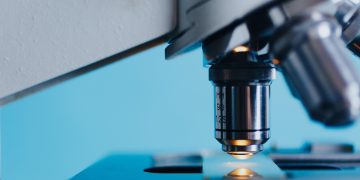
Micro-organisms are bacteria, fungi, viruses, and protozoa.

Some of them are parasites or pathogens of insects or other organisms that are pests or cause disease in plants. Because of their biological properties, these micro-organisms have been used world-wide (including in the EU) for decades in biological control of pests and plant diseases.

Micro-organisms are naturally occurring in the environment. The strains with the best properties are those used in biological control to fight pests and diseases in crop protection.

However, before micro-organism are allowed to be used, it needs to be verified that their use is safe and has no negative consequences for human and animal health or towards other non-target organisms.

3. How do these new Regulations foster the access to market of micro-organisms used in plant protection products?

So far the requirements for micro-organisms were based on principles which were very similar to those for chemical active substances.

The new acts follows a different approach which is based on the biology and ecology of each micro-organism and takes into account the most recent scientific knowledge.In this way the regulatory requirements for micro-organisms are made more ‘fit-for-purpose’ and flexible. In addition focusing only on relevant data also means less animal testing, because fewer experiments on animals will be required.

The biological properties of the micro-organisms play a central role for the risk assessment and many data required in the new implementing acts are conditional to the biology and ecology of the particular micro-organism. In any case, a micro-organism can only be approved for use if it is proven that it does not cause disease in humans or animals.

More “fit for purpose” and flexible requirements also imply streamlined application dossiers, more straight forward risk assessment, and shorter timelines to get access to the EU market.

These new Regulations are based on the most updated science. They make the EU one of the most advanced regulators on the global stage for these products.

4. How will the use of micro-organisms contribute to the objectives of the Farm to Fork and the Green Deal, in particular for farmers?

The Farm to Fork Strategy and the Green Deal aim at reducing dependency on and use of chemical plant protection products.

Micro-organisms used as biocontrol agents in plant protection products provide farmers with alternative tools to substitute chemical plant protection products. They can also be used in organic agriculture.

The new requirements are expected to lead to a faster access to the EU market for micro-organism and plant protection products containing them.

5. Is it safe to use micro-organisms in agriculture?

Micro-organisms have been used by humans almost as long as humanity exists, for instance for bread, cheese, beer and wine-making purposes.

In modern times their uses have been widened. They can be used, for instance, as fundamental components of probiotics of food/feed additives, or for manufacturing medicinal active substances.

Micro-organisms are naturally-occurring and most of them are harmless.  Many of them play key roles in the ecosystems, for instance by decomposing organic matter in the soil to make it available for other organisms, or by enriching the soil with atmospheric nitrogen (“nitrogen fixation”) to make it available for plants.

Micro-organisms, like all the other active substances used in plant protection products (PPPs), can only be approved for use if they fulfil the approval criteria laid down in the Regulation on placing on the market of PPPs.

The Member States, the European Food Safety Authority (EFSA) and the Commission evaluate every active substance for safety for humans and the environment before it can be placed on the market and used in a plant protection product. In a 2nd regulatory step, Member States authorise each plant protection product containing approved active substances for the intended use.

Currently more than 60 micro-organisms are approved in EU after a scientific risk assessment confirmed that their use in plant protection products is safe.

6. Viruses can also be approved. Is this safe?

Several viruses that are highly specific for insects or plants are currently approved in the EU for plant protection purposes and have been proven to be safe since many years. Because they are highly specific towards a narrow group of plant pests, they cannot infect humans or other organisms which are not plant pests.

It is important to underline that viruses, like other micro-organisms, will not be approved if they cause disease in humans. The Member States and the European Food Safety Authority (EFSA)evaluate their safety for human health and the environment before approval.

7. Are plant protection products (PPPs) containing micro-organisms as efficacious as chemicals?

Biological plant protection products containing micro-organisms may be less efficient than chemicals, for instance because of their narrow host range and because as living organisms they require optimal conditions to successfully control the pests. This makes them also inherently safer than chemicals.

However, the use of such biological alternatives plays a key role in organic farming where farmers can use micro-organism as biological control agents. Micro-organisms are also crucial for Integrated Pest Management (IPM), which farmers have to use in the EU. Farmers must give preference to preventive actions, monitoring and biological plant protection alternatives (including micro-organisms based products), before using chemical plant protection products.

IPM also aims to keep the use of pesticides and other forms of intervention only to levels that are economically and ecologically justified, and other measures like crop rotation, selection of appropriate cultivars and cultivation techniques could also be used.

8. Will this have an impact on organic farming?

Organic farming is a key sector for EU agriculture. In 2019 there were almost 330.000 organic farmers in EU, reaching up to 20% share of farming area in Member States. In addition, one of the targets of the Farm to Fork Strategy concerns the increase the total farmland under organic farming in EU, with at least 25% of the EU’s agricultural land to be under organic farming by 2030.

Biological plant protection products can be used in organic agriculture. The new Regulations will fasten the access to market for micro-organisms used in biological plant protection products and thus make new sustainable alternatives available to EU organic farmers for controlling plant pests.

For more information:

Micro-organisms pesticides

General Webpage on Pesticides

Pesticides Explained

O artigo foi publicado originalmente em Comissão Europeia.

Imprimir Artigo
Publicação Anterior

Seca: Climatólogo Carlos da Câmara diz que vão ser necessárias paciência e imaginação

Próxima Publicação

Madeira: PS quer potenciar surgimento de associações e acabar com o monopólio no setor da banana

Artigos Relacionados

Nacional

Cientistas dos EUA desenvolvem novos fungicidas com ciência computacional

13/02/2026
Últimas

Governo mantém preço da água do Alqueva e garante mais água para a agricultura

13/02/2026
river flood water
Nacional

Mau tempo: Tejo mantém caudais estabilizados em alta e prevê-se dia semelhante a quinta-feira

13/02/2026
Próxima Publicação

Madeira: PS quer potenciar surgimento de associações e acabar com o monopólio no setor da banana

Discussão sobre este post

Opinião

Últimas

Abacate: uma cultura em forte afirmação nas agriculturas de Portugal

por José Martino
08/02/2026

Ler mais
Últimas

Notas sobre a Sustentabilidade Operacional do PEPAC

por Marisol Cardoso
01/02/2026

Ler mais

Subscrever as nossas newsletteres

Subscrever as nossas Newsletters Agroportal

Verifique na sua caixa de correio ou na pasta de spam para confirmar a sua subscrição.

Comunicados

Governo mantém preço da água do Alqueva e garante mais água para a agricultura

13/02/2026

Chiquita reforça presença em Portugal com Centro de Distribuição dedicado

12/02/2026

Temas em destaque

Anpromis Candidaturas PU Eleições Mercosul PAC pós 2027 Simplificação PAC Temporais Água que Une
Advertisement

Eventos

Fevereiro 2026
STQQSSD
       1
2 3 4 5 6 7 8
9 10 11 12 13 14 15
16 17 18 19 20 21 22
23 24 25 26 27 28  
« Jan   Mar »

Sobre Nós

O Agroportal.pt é uma plataforma de informação digital que reúne a informação relevante sobre agricultura. Tem um foco na Política Agrícola Comum e a sua aplicação em Portugal.

Menu

  • Quem somos
  • Relatórios anuais
  • Envie-nos informação
  • Publicidade
  • Newsletters
  • Estatuto Editorial
  • Ficha técnica
  • Proteção de Dados Pessoais
  • Disclaimer
Facebook twitter Circle Instagram Rss Feed

© Agroportal. All Rights reserved.

  • Login
  • Registar
Sem Resultado
Ver Todos Os Resultados
  • Sugeridas
  • Notícias
    • Nacional
    • Internacional
    • Comunicados
  • Opinião
  • Eventos
  • Dossiers
    • Agricultura Biológica
    • Apoios
    • Artigos Técnicos
    • Biossoluções
    • Cadeia Alimentar
    • Fertilizantes
    • Financiamento
    • Fitofarmacêuticos
    • Florestas
    • Futuro da PAC
    • Inovação
    • Mercados e Cotações agrícolas
    • Newsletters e Revistas
    • Recomendações Agroflorestais
    • Seguros agrícolas
  • Serviços
    • Diretório
    • Emprego
    • Máquinas Agrícolas
    • Meteorologia
    • Terrenos Agrícolas
    • Arquivo Agroportal

© Agroportal. All Rights reserved.

Bem-Vindo De Volta!

Sign In with Facebook
Sign In with Google
OU

Faça login na sua conta abaixo

Esqueceu-se da senha? Registar

Criar Uma Nova Conta!

Sign Up with Facebook
Sign Up with Google
OU

Preencha os campos abaixo para se registar

* Ao se registar-se no nosso site, você concorda com os Termos e Condições e a Política de Privacidade .
Todos os campos são necessários. Entrar

Obter a sua senha

Indique por favor o seu nome de utilizador ou endereço de E-mail para repor a sua senha.

Entrar
Este site usa cookies. Ao continuar a utilizar este site, está a dar consentimento à utilização de cookies. Visite a nossa Política de Protecção de dados e Cookies.