










Sem Resultado
Ver Todos Os Resultados
Newsletters
Agroportal
  • Login
  • Registar
  • Sugeridas
  • Notícias
    • Notícias
    • Nacional
    • Internacional
    • Comunicados

    IFCN no 10.º Congresso Florestal Nacional em Coimbra

    Açores lançam concurso para revisão do Plano de Ordenamento do Território

    Ovelhas e cabras fazem manutenção natural de empreendimento turístico em Silves

    Adega do Douro Superior foi “tábua de salvação” para produtores vitícolas do território

    jovens agricultores

    Seminário em Ponte de Lima a 7 de Outubro aborda investimento de jovens agricultores

    Os queijeiros franceses enfrentam uma ameaça crescente

    PS/Flores denuncia falhas no transporte marítimo de gado vivo

    Já se encontra disponível a 16.ª edição do INFOBIO

    Riscos climáticos relacionados com incêndios não afetam perfis de crédito do setor bancário, diz DBRS

  • Opinião

    Estamos a exportar Portugal ou a desvalorizar o azeite português?

    AIGP: fracasso ou sucesso?

    Microrganismos ao serviço de uma agricultura mais sustentável

    O problema da floresta não é apenas florestal

    Solo: A Infraestrutura Invisível da Adaptação Climática

    Ibéria: a terra prometida a quem?

    O Impacto da agricultura regenerativa sobre os resultados económicos das explorações agrícolas

    Ibéria – a terra prometida

    O dia em que a Europa descobrir o elevado preço de não produzir

  • Eventos
  • Dossiers

    Dossiers I

    • Agricultura Biológica
    • Apoios
    • Artigos Técnicos
    • Biossoluções
    • Cadeia Alimentar
    • Fertilizantes
    • Financiamento
    • Fitofarmacêuticos

    Dossiers II

    • Florestas
    • Futuro da PAC
    • Inovação
    • Mercados
    • Newsletters e Revistas
    • Recomendações Agroflorestais
    • Seguros

    Últimas

    arvores floresta céu

    Incêndios: Governante confiante numa floresta mais protegida no próximo verão

    02/10/2026

    NTG | CRISPR permite modificar geneticamente uma planta forrageira e abre novas perspetivas para o melhoramento vegetal

    02/10/2026

    NTG | EPSO destaca o papel da ciência das plantas na estratégia europeia para a bioeconomia

    02/10/2026

    Governo prolonga apoios à apicultura com 3,3 milhões de euros

    02/10/2026

    Alterações climáticas | Girassóis mais resistentes à seca e ao calor estão a ser desenvolvidos na Europa

    02/10/2026

    Governo prolonga apoios à apicultura com novo concurso de 3,3 milhões de euros

    02/10/2026
  • Serviços
    • Diretório
    • Emprego
    • Máquinas Agrícolas
    • Meteorologia
    • Terrenos Agrícolas
    • Arquivo Agroportal
Agroportal
  • Sugeridas
  • Notícias
    • Notícias
    • Nacional
    • Internacional
    • Comunicados

    IFCN no 10.º Congresso Florestal Nacional em Coimbra

    Açores lançam concurso para revisão do Plano de Ordenamento do Território

    Ovelhas e cabras fazem manutenção natural de empreendimento turístico em Silves

    Adega do Douro Superior foi “tábua de salvação” para produtores vitícolas do território

    jovens agricultores

    Seminário em Ponte de Lima a 7 de Outubro aborda investimento de jovens agricultores

    Os queijeiros franceses enfrentam uma ameaça crescente

    PS/Flores denuncia falhas no transporte marítimo de gado vivo

    Já se encontra disponível a 16.ª edição do INFOBIO

    Riscos climáticos relacionados com incêndios não afetam perfis de crédito do setor bancário, diz DBRS

  • Opinião

    Estamos a exportar Portugal ou a desvalorizar o azeite português?

    AIGP: fracasso ou sucesso?

    Microrganismos ao serviço de uma agricultura mais sustentável

    O problema da floresta não é apenas florestal

    Solo: A Infraestrutura Invisível da Adaptação Climática

    Ibéria: a terra prometida a quem?

    O Impacto da agricultura regenerativa sobre os resultados económicos das explorações agrícolas

    Ibéria – a terra prometida

    O dia em que a Europa descobrir o elevado preço de não produzir

  • Eventos
  • Dossiers

    Dossiers I

    • Agricultura Biológica
    • Apoios
    • Artigos Técnicos
    • Biossoluções
    • Cadeia Alimentar
    • Fertilizantes
    • Financiamento
    • Fitofarmacêuticos

    Dossiers II

    • Florestas
    • Futuro da PAC
    • Inovação
    • Mercados
    • Newsletters e Revistas
    • Recomendações Agroflorestais
    • Seguros

    Últimas

    arvores floresta céu

    Incêndios: Governante confiante numa floresta mais protegida no próximo verão

    02/10/2026

    NTG | CRISPR permite modificar geneticamente uma planta forrageira e abre novas perspetivas para o melhoramento vegetal

    02/10/2026

    NTG | EPSO destaca o papel da ciência das plantas na estratégia europeia para a bioeconomia

    02/10/2026

    Governo prolonga apoios à apicultura com 3,3 milhões de euros

    02/10/2026

    Alterações climáticas | Girassóis mais resistentes à seca e ao calor estão a ser desenvolvidos na Europa

    02/10/2026

    Governo prolonga apoios à apicultura com novo concurso de 3,3 milhões de euros

    02/10/2026
  • Serviços
    • Diretório
    • Emprego
    • Máquinas Agrícolas
    • Meteorologia
    • Terrenos Agrícolas
    • Arquivo Agroportal
Sem Resultado
Ver Todos Os Resultados
Agroportal
european commission

In battle against soil pollution, new ally emerges

por Horizon - EU
20-07-2023 | 07:18
em Internacional, Últimas
Tempo De Leitura: 6 mins
A A
Partilhe no FacebookPartilhe no TwitterEnviar para o WhatsappEnviar para o TelegramEnviar para o LinkedIn

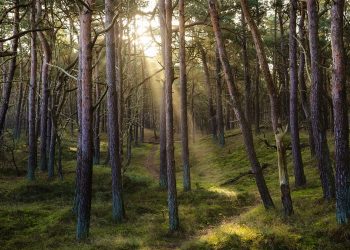
Trees and other vegetation grow on the site of a former soap factory in northwestern France.

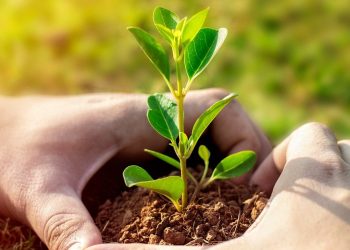
While the greenery suggests all is well in the Ploufragan commune near the Brittany coast, the truth is that a plant for making cleaning products has left a mess. The surrounding soil is saturated with toxic hydrocarbons – byproducts of the soap production.

Pressing problem

Tackling such environmental damage is a priority for Dr Thomas Reichenauer under a research project that has received EU funding to investigate how microbes can be used to break down contaminants in soil and groundwater.

The problem is pressing because poisonous substances in the soil can seep into plants, which may then get eaten by animals, and can leak into groundwater, according to Reichenauer, senior scientist at the Austrian Institute of Technology in Vienna.

‘For these contaminants we are working on, it will take decades – or hundreds of years – until nature breaks them down completely,’ he said.

The EU has an estimated 2.8 million contaminated sites ranging from old industrial zones to landfills. Clean-up efforts vary across Member States, with Germany and the Netherlands leading the way.

The groundwater dimension is all the more acute because of worsening climate change, which threatens to cause increasingly severe droughts. So even as groundwater becomes a more precious resource, less may be available to drink if it contains industrial pollutants.

Reichenauer coordinates a project called MIBIREM that has received EU funding to speed up the process of decontaminating soil and groundwater by learning more about their microbiome – the collection of microorganisms in a particular environment.

The researchers are trying to figure out how microbes interact to break down three particular contaminants: cyanides, hexachlorocyclohexane and petroleum hydrocarbons.

Petroleum hydrocarbons are very common. While cyanides and hexachlorocyclohexane are less prevalent, they’re toxic enough to warrant developing technology for breaking them down.

The initiative began in October 2022 and runs until end-March 2027.

Good riddance

The process by which microbes can be stimulated to ramp up their consumption of contaminants is called bioremediation.

“For these contaminants we are working on, it will take decades – or hundreds of years – until nature breaks them down completely.

Dr Thomas Reichenauer, MIBIREM

In the case of cyanides, for example, glucose could be added to the soil, according to Reichenauer, who originally trained as a geneticist and plant physiologist.

‘Bioremediation is eco-friendly as we don’t have to introduce any toxic or dangerous chemicals,’ he said.

There are other ways of removing pollutants from soil.

Plants have been studied as a potential method for removing heavy metals. But few commercial ventures exist because the removal process – another form of bioremediation – is slow.

Chemical remediation, while quicker, offers only a partial solution because it typically removes toxic substances by adding fewer from the outset.

MIBIREM will focus entirely on using microbes because they have the potential to be the fastest and most eco-friendly option, according to Reichenauer.

Soil tools

The project ultimately wants to come up with bioremediation tools for different industrial spots across Europe. In some cases, researchers hope to identify particularly useful microbes and store them for later use.

MIBIREM is focused on developing technologies that can be used on-site, sparing itself the hassle of excavating soil and transporting it. Because the project targets mainly industrial spots, which are often located in urban areas, treating soil in the original place is sometimes the only option.

“Better understanding the microbiome in the soil will be very important for improving technologies that address soil pollution.

Rocío Barros, GREENER

In the case of the factory site in Ploufragan, where soap was produced for almost half a century until the mid-1990s, this would mean being able to treat the area without digging up the vegetation that has grown there since the buildings were demolished in 2017.

‘If you can show that it works in the fields, then there is a good chance that it can be commercially applied later on,’ said Reichenauer.

The global market for microbial bioremediation was valued at around €42 million in 2021. It’s projected to grow to about €85 million by the end of the decade.

Reichenauer sought to soothe any concerns that people might have about altering the microbiome of soil to remove contaminants, saying such changes are neither negative nor positive and occur in line with environmental influences regardless of any human intervention.

MIBIREM could help the EU meet targets set under a mission called “A Soil Deal for Europe”, which seeks a transition towards healthy soils by 2030.

Pilot projects

The use of microbes for bioremediation has also been the focus of an EU-funded project called GREENER, which is due to finish this August after four and a half years.

It has included pilot projects in Belgium, Ireland, Spain and China.

In the Spanish city of Toledo, for example, soil from a former machinery park was excavated and treated on-site, where microbes were used to remove hydrocarbons. For a wetland site in Belgium, microbes enabled the removal of heavy metals from the groundwater without extracting it.

‘We are working with clients that have a contamination problem and assisting companies that are performing remediation of the site,’ said Rocío Barros, the project coordinator. ‘Better understanding the microbiome in the soil will be very important for improving technologies that address soil pollution.’

Energy angle

GREENER went beyond MIBIREM in one respect: trying to create energy during the bioremediation process.

By coupling energy generation with soil and wastewater cleaning, GREENER sought to help diversify the EU’s power sources while removing pollutants from the environment.

The energy component involves the use of microbial fuel cells. As microbes break down organic molecules like hydrocarbons, chemical energy is converted into usable electrical energy.

Results on this front have been less than promising when it comes to ramping up such activity, according to Barros, who heads an environment, sustainability and toxicology research group at the University of Burgos in Spain.

‘Not all of the microbial fuel cells have reached a good enough performance for scaling up,’ she said.

This aspect of the project highlights the risks involved in research and development and, by extension, the importance of funding sources including the EU.

Some of the microbial fuel cells being used to treat water have shown potential.

‘The use of the fuel cells with wetlands has been very good,’ said Barros.

Hoping that microbial fuel cells can be further advanced, she is now seeking to develop a film that could be added to them to improve electricity generation.

Research in this article was funded by the EU. If you liked this article, please consider sharing it on social media.

EU Mission: A Soil Deal for Europe

“A Soil Deal for Europe” seeks to reduce pollution in the ground and protect the numerous species that live in it. Today, an estimated 60-70% of EU soils are unhealthy.

The Mission reflects soil’s role as a foundation for food production, fresh water, biodiversity and cultural heritage. 100 test sites, including on individual farms, will spearhead the Mission’s aim to transition to healthier soils by 2030.

Read more about the EU’s Soil Mission, here.

O artigo foi publicado originalmente em Horizon, the EU Research and Innovation Magazine.
Imprimir Artigo
Publicação Anterior

Olive Oil World Congress (OOWC) 2024 – 26 a 28 de junho – Madrid

Próxima Publicação

Aldeias renascidas: Das Silveiras para o mundo

Artigos Relacionados

Nacional

IFCN no 10.º Congresso Florestal Nacional em Coimbra

04/10/2026
Nacional

Açores lançam concurso para revisão do Plano de Ordenamento do Território

04/10/2026
Últimas

Estamos a exportar Portugal ou a desvalorizar o azeite português?

04/10/2026
Próxima Publicação

Aldeias renascidas: Das Silveiras para o mundo

Discussão sobre este post

Opinião

Últimas

Estamos a exportar Portugal ou a desvalorizar o azeite português?

por Francisco António Vilela Ribeiro
04/10/2026

Ler maisDetails
Últimas

AIGP: fracasso ou sucesso?

por José Martino
30/09/2026

Ler maisDetails

Subscrever as nossas newsletteres

Subscrever as nossas Newsletters Agroportal

Verifique na sua caixa de correio ou na pasta de spam para confirmar a sua subscrição.

Comunicados

Já se encontra disponível a 16.ª edição do INFOBIO

03/10/2026
Corteva

Corteva inicia um novo capítulo como líder global de proteção das culturas, focada e orientada para a inovação

02/10/2026
Advertisement

Temas em destaque

Candidaturas PU Global Agri Forum 2026 Guerra Médio Oriente Mercosul ovibeja PAC pós 2027 Simplificação PAC Temporais vinho Água que Une

Eventos

Outubro 2026
STQQSSD
    1 2 3 4
5 6 7 8 9 10 11
12 13 14 15 16 17 18
19 20 21 22 23 24 25
26 27 28 29 30 31  
« Set   Nov »

Sobre Nós

O Agroportal.pt é uma plataforma de informação digital que reúne a informação relevante sobre agricultura. Tem um foco na Política Agrícola Comum e a sua aplicação em Portugal.

Menu

  • Quem somos
  • Relatórios anuais
  • Envie-nos informação
  • Publicidade
  • Newsletters
  • Estatuto Editorial
  • Ficha técnica
  • Proteção de Dados Pessoais
  • Disclaimer
Facebook twitter Circle Instagram Rss Feed

© Agroportal. All Rights reserved.

Bem-Vindo De Volta!

Sign In with Facebook
Sign In with Google
OR

Faça login na sua conta abaixo

Esqueceu-se da senha? Registar

Criar Uma Nova Conta!

Sign Up with Facebook
Sign Up with Google
OR

Preencha os campos abaixo para se registar

* Ao se registar-se no nosso site, você concorda com os Termos e Condições e a Política de Privacidade .
Todos os campos são necessários. Entrar

Obter a sua senha

Indique por favor o seu nome de utilizador ou endereço de E-mail para repor a sua senha.

Entrar
  • Login
  • Registar
Sem Resultado
Ver Todos Os Resultados
  • Sugeridas
  • Notícias
    • Nacional
    • Internacional
    • Comunicados
  • Opinião
  • Eventos
  • Dossiers
    • Agricultura Biológica
    • Apoios
    • Artigos Técnicos
    • Biossoluções
    • Cadeia Alimentar
    • Fertilizantes
    • Financiamento
    • Fitofarmacêuticos
    • Florestas
    • Futuro da PAC
    • Inovação
    • Mercados e Cotações agrícolas
    • Newsletters e Revistas
    • Recomendações Agroflorestais
    • Seguros agrícolas
  • Serviços
    • Diretório
    • Emprego
    • Máquinas Agrícolas
    • Meteorologia
    • Terrenos Agrícolas
    • Arquivo Agroportal

© Agroportal. All Rights reserved.

Este site usa cookies. Ao continuar a utilizar este site, está a dar consentimento à utilização de cookies. Visite a nossa Política de Protecção de dados e Cookies.