















Sem Resultado
Ver Todos Os Resultados
Newsletters
Agroportal
  • Login
  • Registar
  • Sugeridas
  • Notícias
    • Notícias
    • Nacional
    • Internacional
    • Comunicados

    PEPAC 2023-2027: Restabelecimento do potencial produtivo | Depressão Cláudia (3º Concurso)

    PEPAC 2023-2027: Restabelecimento do potencial produtivo | Depressão Cláudia (4º Concurso)

    universidade catolica

    Estudantes do ensino básico e secundário desafiados a “Inventar a Alimentação do Futuro”

    Test4Food: Startups testam e validam soluções em fábricas da indústria alimentar

    Mau tempo: Barragem alentejana do Monte da Rocha já iniciou descarga para o rio Sado

    ipma

    Plano de Ação para Aquacultura na Ria Formosa

    DGAV

    Esclarecimento sobre a Dermatose Nodular Contagiosa (DNC) e a informação em circulação

    Arquitetos paisagistas alertam para riscos da alteração do licenciamento urbanístico

    IPMA abre consulta pública para transição do setor da aquacultura na Ria Formosa do Algarve

  • Opinião

    Agrovoltaico: quando a energia deixa de ser apenas custo e passa a ser também receita

    Abacate: uma cultura em forte afirmação nas agriculturas de Portugal

    Notas sobre a Sustentabilidade Operacional do PEPAC

    luis caixinhas

    Marca tridimensional ou desenho ou modelo: como proteger a forma dos produtos agroalimentares

    Francisco Avillez

    A Reforma da PAC pós-2027: breves reflexões sobre o orçamento proposto pela CE

    Filipe Corrêa Figueira

    Estão a encurralar os Agricultores… e não vai acabar bem!

    Sinais dos tempos. Notas sobre a PAC e o Acordo UE-Mercosul

    Douro: não há excesso de produção, há excesso de oferta

    António Covas

    A inteligência coletiva territorial da 2ª ruralidade – As áreas de baixa densidade (ABD)

  • Eventos
  • Dossiers

    Dossiers I

    • Agricultura Biológica
    • Apoios
    • Artigos Técnicos
    • Biossoluções
    • Cadeia Alimentar
    • Fertilizantes
    • Financiamento
    • Fitofarmacêuticos

    Dossiers II

    • Florestas
    • Futuro da PAC
    • Inovação
    • Mercados
    • Newsletters e Revistas
    • Recomendações Agroflorestais
    • Seguros

    Últimas

    PEPAC 2023-2027: Restabelecimento do potencial produtivo | Depressão Cláudia (3º Concurso)

    16/02/2026

    PEPAC 2023-2027: Restabelecimento do potencial produtivo | Depressão Cláudia (4º Concurso)

    16/02/2026

    Governo simplifica modelo de governação dos fundos europeus e altera estrutura do PEPAC

    16/02/2026

    Newsletter EIP-AGRI de fevereiro: A inovação ao serviço do mundo rural

    16/02/2026

    An uncommon CAP?

    16/02/2026

    Ovino: se imponen las repeticiones en los precios

    15/02/2026
  • Serviços
    • Diretório
    • Emprego
    • Máquinas Agrícolas
    • Meteorologia
    • Terrenos Agrícolas
    • Arquivo Agroportal
Agroportal
  • Sugeridas
  • Notícias
    • Notícias
    • Nacional
    • Internacional
    • Comunicados

    PEPAC 2023-2027: Restabelecimento do potencial produtivo | Depressão Cláudia (3º Concurso)

    PEPAC 2023-2027: Restabelecimento do potencial produtivo | Depressão Cláudia (4º Concurso)

    universidade catolica

    Estudantes do ensino básico e secundário desafiados a “Inventar a Alimentação do Futuro”

    Test4Food: Startups testam e validam soluções em fábricas da indústria alimentar

    Mau tempo: Barragem alentejana do Monte da Rocha já iniciou descarga para o rio Sado

    ipma

    Plano de Ação para Aquacultura na Ria Formosa

    DGAV

    Esclarecimento sobre a Dermatose Nodular Contagiosa (DNC) e a informação em circulação

    Arquitetos paisagistas alertam para riscos da alteração do licenciamento urbanístico

    IPMA abre consulta pública para transição do setor da aquacultura na Ria Formosa do Algarve

  • Opinião

    Agrovoltaico: quando a energia deixa de ser apenas custo e passa a ser também receita

    Abacate: uma cultura em forte afirmação nas agriculturas de Portugal

    Notas sobre a Sustentabilidade Operacional do PEPAC

    luis caixinhas

    Marca tridimensional ou desenho ou modelo: como proteger a forma dos produtos agroalimentares

    Francisco Avillez

    A Reforma da PAC pós-2027: breves reflexões sobre o orçamento proposto pela CE

    Filipe Corrêa Figueira

    Estão a encurralar os Agricultores… e não vai acabar bem!

    Sinais dos tempos. Notas sobre a PAC e o Acordo UE-Mercosul

    Douro: não há excesso de produção, há excesso de oferta

    António Covas

    A inteligência coletiva territorial da 2ª ruralidade – As áreas de baixa densidade (ABD)

  • Eventos
  • Dossiers

    Dossiers I

    • Agricultura Biológica
    • Apoios
    • Artigos Técnicos
    • Biossoluções
    • Cadeia Alimentar
    • Fertilizantes
    • Financiamento
    • Fitofarmacêuticos

    Dossiers II

    • Florestas
    • Futuro da PAC
    • Inovação
    • Mercados
    • Newsletters e Revistas
    • Recomendações Agroflorestais
    • Seguros

    Últimas

    PEPAC 2023-2027: Restabelecimento do potencial produtivo | Depressão Cláudia (3º Concurso)

    16/02/2026

    PEPAC 2023-2027: Restabelecimento do potencial produtivo | Depressão Cláudia (4º Concurso)

    16/02/2026

    Governo simplifica modelo de governação dos fundos europeus e altera estrutura do PEPAC

    16/02/2026

    Newsletter EIP-AGRI de fevereiro: A inovação ao serviço do mundo rural

    16/02/2026

    An uncommon CAP?

    16/02/2026

    Ovino: se imponen las repeticiones en los precios

    15/02/2026
  • Serviços
    • Diretório
    • Emprego
    • Máquinas Agrícolas
    • Meteorologia
    • Terrenos Agrícolas
    • Arquivo Agroportal
Sem Resultado
Ver Todos Os Resultados
Agroportal

Fish and seafood consumption in the EU: awareness of dietary advice on mercury

por Comissão Europeia
12-02-2026 | 09:57
em Últimas, Internacional
Tempo De Leitura: 4 mins
A A
Partilhe no FacebookPartilhe no TwitterEnviar para o WhatsappEnviar para o TelegramEnviar para o LinkedIn

The European Commission asked EFSA to carry out a survey across the EU, before and after some countries updated their advice on how often to eat fish and seafood that may contain traces of mercury.

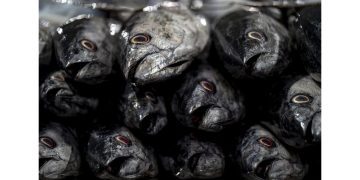
Examples of these species are large predator fish such as shark, swordfish, and tuna (bigeye and bluefin) because they feed on smaller fish, so the mercury accumulates in them over their lifespan.

The Commission’s request was linked to discussions with EU Member States on the regulatory limits (called Maximum Levels or MLs) for mercury in different species of fish and seafood, and any future update of EFSA’s RISK ASSESSMENTA specialised field of applied science that involves reviewing scientific data and studies in order to evaluate risks associated with certain hazards. It involves four steps: hazard identification, hazard characterisation, exposure assessment and risk characterisation of mercury in food.

An EU-wide survey

A first survey was conducted in all 27 EU member States, Iceland and Norway in April-May 2023. A second survey took place in 10 countries that updated their advice, plus another five countries that did not, to allow a comparison.

The surveys included higher shares of pregnant (and lactating) women among the respondents because the foetus is the most at risk POPULATIONCommunity of humans, animals or plants from the same species from mercury but also acquires important nutrients from fish and seafood in the mother’s diet.

Frequency of fish and seafood consumption

Sofia Ioannidou, a food consumption expert at EFSA and coordinator of the research, said: “60% of respondents surveyed in the 29 countries said they eat fish and seafood. Around one-third of those consumers – 34% of adolescents and adults, and 33% of pregnant women – said they consume fish species with the highest Maximum Levels for mercury contamination three or more times per week.

“While these findings are important, we explain in the report that they should be treated with caution due to uncertainties about the representativeness of the surveys.”

How much fish/seafood should people eat?

Most national authorities in the EU recommend 1-2 portions per week of fish and seafood species with higher mercury limits (1.0 mg/kg of fish wet weight), or 3-4 portions of species with lower mercury limits (0.5 mg/kg or 0.3 mg/kg of fish). Pregnant women are often advised to replace their INTAKEThe amount of a substance (e.g. nutrient or chemical) that is ingested by a person or animal via the diet of large fish with smaller fish containing less mercury.

EFSA’s past scientific advice informed national dietary guidelines that aim to ensure that consumers, particularly pregnant women (and the developing foetus), can benefit from eating fish and seafood while keeping EXPOSUREConcentration or amount of a particular substance that is taken in by an individual, population or ecosystem in a specific frequency over a certain amount of time to mercury as low as possible.

Health benefits include cognitive and immune function development in infants and reduced risk of cardiovascular disease for adults. On the other hand, exposure to methylmercury – the most hazardous form of mercury – is linked to reduced brain and neural development in the foetus and in young children.

Awareness of dietary advice

In a first for EFSA, the survey used social science methods to investigate consumer awareness of the advice and the associated benefits and risks.

Social scientist, Angela Bearth, is a member of EFSA’s Scientific Committee, and also part of the EFSA expert group on social research methods and advice that was responsible for the research on awareness.

She said: “While many consumers indicated in the survey that they had heard of the advice in their country and that they take it into account in their food choices, other factors such as taste, cost, and desire for a healthy diet drive changes in dietary habits more.

“This is a common phenomenon where survey respondents say one thing, but their behaviour indicates that other factors need taking into account.”

Knowledge of health benefits vs. risks

The survey tested respondents’ knowledge of several health benefits and risks linked to fish and seafood consumption, to estimate how well dietary advice might be understood and retained.
Dr Bearth stated: “Overall, more consumers (some 5 in 10) knew about health benefits than health risks (about 1 in 10), but mercury was the most widely recognised CONTAMINANTAny substance occurring in foodstuffs that was not added intentionally. Contaminants can arise from packaging, food processing and transportation, farming practices or the use of animal medicines. The term does not include contamination from insects or rodents in these foods. The findings are consistent with past studies exploring this topic in European countries.”

Support to national authorities

The report shows important differences across countries and between the adolescent/adult population and pregnant women, both in terms of consumption and awareness of advice.

This information together with some possible strategies outlined in the report may be considered useful for national public health authorities in their communication to consumers on this topic.

O artigo foi publicado originalmente em EFSA.
Imprimir Artigo
Publicação Anterior

Edição genética | Aceitação global da tecnologia na agricultura ganha força

Próxima Publicação

Adega do Cartaxo conquista certificação internacional em segurança alimentar

Artigos Relacionados

Últimas

SOBREIROS e AZINHEIRAS danificados por temporais. O que fazer?

16/02/2026
Candidaturas e pagamentos

PEPAC 2023-2027: Restabelecimento do potencial produtivo | Depressão Cláudia (3º Concurso)

16/02/2026
Candidaturas e pagamentos

PEPAC 2023-2027: Restabelecimento do potencial produtivo | Depressão Cláudia (4º Concurso)

16/02/2026
Próxima Publicação
vinho barril adega

Adega do Cartaxo conquista certificação internacional em segurança alimentar

Opinião

Últimas

Agrovoltaico: quando a energia deixa de ser apenas custo e passa a ser também receita

por Tiago Corrêa do Amaral
15/02/2026

Ler mais
Últimas

Abacate: uma cultura em forte afirmação nas agriculturas de Portugal

por José Martino
08/02/2026

Ler mais

Subscrever as nossas newsletteres

Subscrever as nossas Newsletters Agroportal

Verifique na sua caixa de correio ou na pasta de spam para confirmar a sua subscrição.

Comunicados

PEPAC 2023-2027: Restabelecimento do potencial produtivo | Depressão Cláudia (3º Concurso)

16/02/2026

PEPAC 2023-2027: Restabelecimento do potencial produtivo | Depressão Cláudia (4º Concurso)

16/02/2026

Temas em destaque

Anpromis Candidaturas PU Eleições Mercosul PAC pós 2027 Simplificação PAC Temporais Água que Une
Advertisement

Eventos

Fevereiro 2026
STQQSSD
       1
2 3 4 5 6 7 8
9 10 11 12 13 14 15
16 17 18 19 20 21 22
23 24 25 26 27 28  
« Jan   Mar »

Sobre Nós

O Agroportal.pt é uma plataforma de informação digital que reúne a informação relevante sobre agricultura. Tem um foco na Política Agrícola Comum e a sua aplicação em Portugal.

Menu

  • Quem somos
  • Relatórios anuais
  • Envie-nos informação
  • Publicidade
  • Newsletters
  • Estatuto Editorial
  • Ficha técnica
  • Proteção de Dados Pessoais
  • Disclaimer
Facebook twitter Circle Instagram Rss Feed

© Agroportal. All Rights reserved.

  • Login
  • Registar
Sem Resultado
Ver Todos Os Resultados
  • Sugeridas
  • Notícias
    • Nacional
    • Internacional
    • Comunicados
  • Opinião
  • Eventos
  • Dossiers
    • Agricultura Biológica
    • Apoios
    • Artigos Técnicos
    • Biossoluções
    • Cadeia Alimentar
    • Fertilizantes
    • Financiamento
    • Fitofarmacêuticos
    • Florestas
    • Futuro da PAC
    • Inovação
    • Mercados e Cotações agrícolas
    • Newsletters e Revistas
    • Recomendações Agroflorestais
    • Seguros agrícolas
  • Serviços
    • Diretório
    • Emprego
    • Máquinas Agrícolas
    • Meteorologia
    • Terrenos Agrícolas
    • Arquivo Agroportal

© Agroportal. All Rights reserved.

Bem-Vindo De Volta!

Sign In with Facebook
Sign In with Google
OU

Faça login na sua conta abaixo

Esqueceu-se da senha? Registar

Criar Uma Nova Conta!

Sign Up with Facebook
Sign Up with Google
OU

Preencha os campos abaixo para se registar

* Ao se registar-se no nosso site, você concorda com os Termos e Condições e a Política de Privacidade .
Todos os campos são necessários. Entrar

Obter a sua senha

Indique por favor o seu nome de utilizador ou endereço de E-mail para repor a sua senha.

Entrar
Este site usa cookies. Ao continuar a utilizar este site, está a dar consentimento à utilização de cookies. Visite a nossa Política de Protecção de dados e Cookies.