
















Sem Resultado
Ver Todos Os Resultados
Newsletters
Agroportal
  • Login
  • Registar
  • Sugeridas
  • Notícias
    • Notícias
    • Nacional
    • Internacional
    • Comunicados

    Mau tempo: Mais de 300 ME de prejuízos reportados na agricultura – Governo

    Odemira: Comissão de Coordenação e Desenvolvimento Regional do Alentejo visita produções afetadas pelas tempestades

    Beja recebe o próximo Conselho Consultivo da CAP dedicado ao Baixo Alentejo, esta sexta-feira

    Ascedum rent, nova submarca que reforça o negócio de aluguer de equipamentos

    Seia abre no fim de semana ciclo de feiras do queijo Serra da Estrela

    Depressão Kristin causa prejuízos de mil milhões de euros na agricultura

    Museu do Queijo da Covilhã cria bombom com coração de queijo

    Situação de calamidade – Prorrogação dos prazos

    CCDR Algarve

    Cristiano Cabrita foi eleito pelo conselho regional como vice-presidente da CCDR Algarve

  • Opinião

    Abacate: uma cultura em forte afirmação nas agriculturas de Portugal

    Notas sobre a Sustentabilidade Operacional do PEPAC

    luis caixinhas

    Marca tridimensional ou desenho ou modelo: como proteger a forma dos produtos agroalimentares

    Francisco Avillez

    A Reforma da PAC pós-2027: breves reflexões sobre o orçamento proposto pela CE

    Filipe Corrêa Figueira

    Estão a encurralar os Agricultores… e não vai acabar bem!

    Sinais dos tempos. Notas sobre a PAC e o Acordo UE-Mercosul

    Douro: não há excesso de produção, há excesso de oferta

    António Covas

    A inteligência coletiva territorial da 2ª ruralidade – As áreas de baixa densidade (ABD)

    Jaime Piçarra

    O que marcou 2025 e o que esperar para 2026

  • Eventos
  • Dossiers

    Dossiers I

    • Agricultura Biológica
    • Apoios
    • Artigos Técnicos
    • Biossoluções
    • Cadeia Alimentar
    • Fertilizantes
    • Financiamento
    • Fitofarmacêuticos

    Dossiers II

    • Florestas
    • Futuro da PAC
    • Inovação
    • Mercados
    • Newsletters e Revistas
    • Recomendações Agroflorestais
    • Seguros

    Últimas

    Kristin. Altri paga suplemento extraordinário por madeira das áreas afetadas

    12/02/2026
    fruta

    2,6 mil milhões: exportações de frutas, legumes e flores atingem novo recorde

    12/02/2026

    Altri reforça apoio aos parceiros afetados pela depressão Kristin

    12/02/2026

    Edição genética | Aceitação global da tecnologia na agricultura ganha força

    12/02/2026

    Portugal nunca vendeu tanta fruta, legumes e flores ao estrangeiro como em 2025

    11/02/2026

    Madeira com novos drones para reforçar gestão florestal e prevenção de incêndios

    11/02/2026
  • Serviços
    • Diretório
    • Emprego
    • Máquinas Agrícolas
    • Meteorologia
    • Terrenos Agrícolas
    • Arquivo Agroportal
Agroportal
  • Sugeridas
  • Notícias
    • Notícias
    • Nacional
    • Internacional
    • Comunicados

    Mau tempo: Mais de 300 ME de prejuízos reportados na agricultura – Governo

    Odemira: Comissão de Coordenação e Desenvolvimento Regional do Alentejo visita produções afetadas pelas tempestades

    Beja recebe o próximo Conselho Consultivo da CAP dedicado ao Baixo Alentejo, esta sexta-feira

    Ascedum rent, nova submarca que reforça o negócio de aluguer de equipamentos

    Seia abre no fim de semana ciclo de feiras do queijo Serra da Estrela

    Depressão Kristin causa prejuízos de mil milhões de euros na agricultura

    Museu do Queijo da Covilhã cria bombom com coração de queijo

    Situação de calamidade – Prorrogação dos prazos

    CCDR Algarve

    Cristiano Cabrita foi eleito pelo conselho regional como vice-presidente da CCDR Algarve

  • Opinião

    Abacate: uma cultura em forte afirmação nas agriculturas de Portugal

    Notas sobre a Sustentabilidade Operacional do PEPAC

    luis caixinhas

    Marca tridimensional ou desenho ou modelo: como proteger a forma dos produtos agroalimentares

    Francisco Avillez

    A Reforma da PAC pós-2027: breves reflexões sobre o orçamento proposto pela CE

    Filipe Corrêa Figueira

    Estão a encurralar os Agricultores… e não vai acabar bem!

    Sinais dos tempos. Notas sobre a PAC e o Acordo UE-Mercosul

    Douro: não há excesso de produção, há excesso de oferta

    António Covas

    A inteligência coletiva territorial da 2ª ruralidade – As áreas de baixa densidade (ABD)

    Jaime Piçarra

    O que marcou 2025 e o que esperar para 2026

  • Eventos
  • Dossiers

    Dossiers I

    • Agricultura Biológica
    • Apoios
    • Artigos Técnicos
    • Biossoluções
    • Cadeia Alimentar
    • Fertilizantes
    • Financiamento
    • Fitofarmacêuticos

    Dossiers II

    • Florestas
    • Futuro da PAC
    • Inovação
    • Mercados
    • Newsletters e Revistas
    • Recomendações Agroflorestais
    • Seguros

    Últimas

    Kristin. Altri paga suplemento extraordinário por madeira das áreas afetadas

    12/02/2026
    fruta

    2,6 mil milhões: exportações de frutas, legumes e flores atingem novo recorde

    12/02/2026

    Altri reforça apoio aos parceiros afetados pela depressão Kristin

    12/02/2026

    Edição genética | Aceitação global da tecnologia na agricultura ganha força

    12/02/2026

    Portugal nunca vendeu tanta fruta, legumes e flores ao estrangeiro como em 2025

    11/02/2026

    Madeira com novos drones para reforçar gestão florestal e prevenção de incêndios

    11/02/2026
  • Serviços
    • Diretório
    • Emprego
    • Máquinas Agrícolas
    • Meteorologia
    • Terrenos Agrícolas
    • Arquivo Agroportal
Sem Resultado
Ver Todos Os Resultados
Agroportal

European farms mix things up to guard against food-supply shocks

por Horizon - EU
27-01-2023 | 13:35
em Últimas, Internacional
Tempo De Leitura: 5 mins
A A
Partilhe no FacebookPartilhe no TwitterEnviar para o WhatsappEnviar para o TelegramEnviar para o LinkedIn

‘Items in this section have limited availability due to supplier production issues,’ ‘Sorry, temporarily out of stock’ and ‘Sold out’ are all signs that became familiar as recent global upheavals exposed how precarious our food supply is.

The COVID-19 pandemic led to bare shelves in supermarkets as shipping routes were cut off. The war in Ukraine has affected the supply of essential grains.

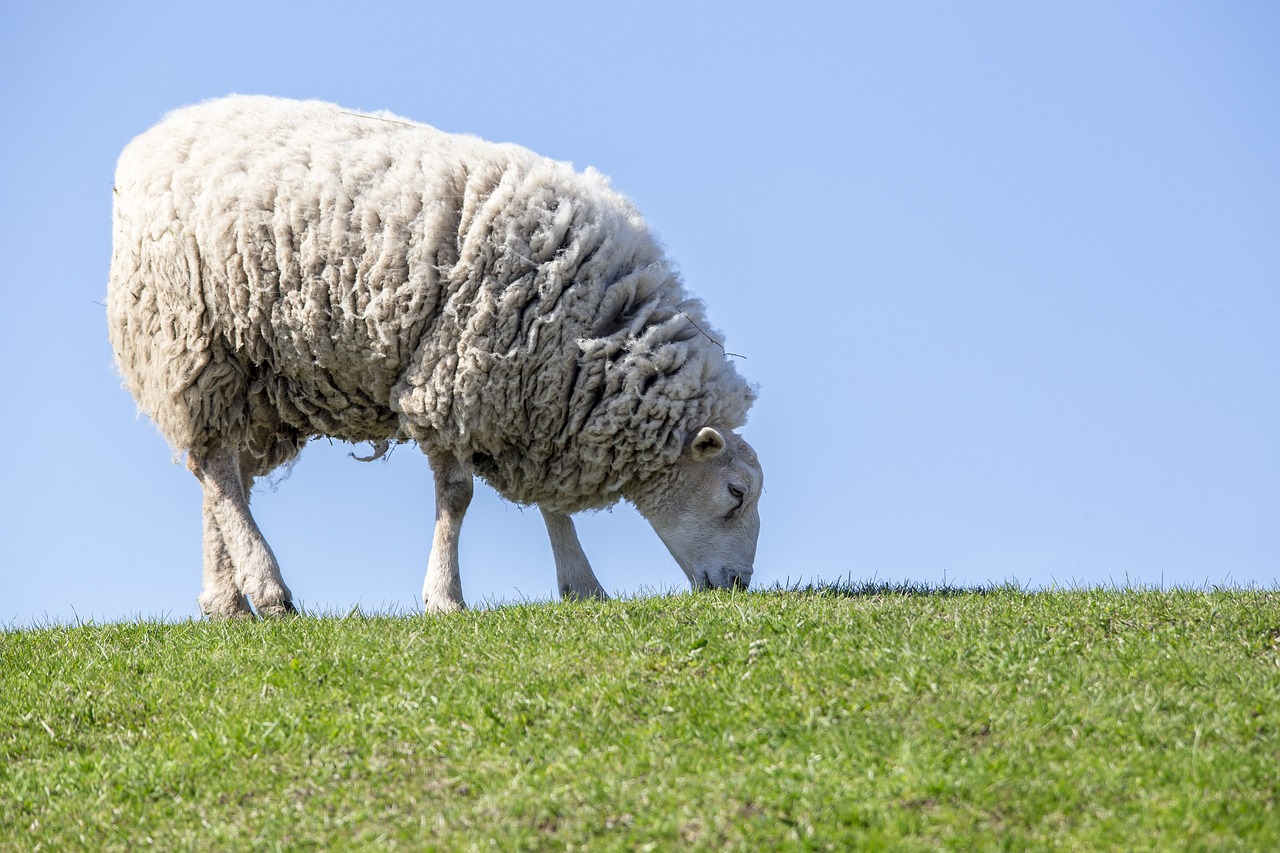
But increased climate change stands to cause even greater disruption. Researchers say part of the solution to mitigating that risk is for farms to become more mixed through some combination of crop cultivation, livestock production and forestry, a move that would also make agriculture more sustainable.

For Dr Sara Burbi, assistant professor at Coventry University in the UK until December 2022 and now an independent researcher, COVID-19 was a wake-up call.

‘Suddenly, we experienced first-hand what happens when value chains are not resilient to shocks and what happens when globalisation, with all its intricacies, does not work anymore,’ she said. ‘We saw highly specialised farming systems fail when they over-relied on external inputs that they had no access to.’

Climate change, according to Burbi, could provide even bigger global shocks ranging from widespread crop failures to lower yields or damage from flooding. More sustainable agriculture is essential to ensure food supplies can withstand the impact of climate change and unexpected local, national and even global crises.

Beneficial combos

During her tenure at Coventry University, Burbi coordinated the EU-funded AGROMIX project, which runs until end-October 2024.

As part of the project, pilot farms across Europe are experimenting with combining crop and livestock production in one farm (mixed farming) and with pairing farming and forestry activities (agroforestry). Poultry grazing in orchards is an example of a mixed-farming approach. The results reveal interesting synergies and promising effects, including improvements in soil health.

“

Suddenly, we experienced first-hand what happens when value chains are not resilient to shocks.

Dr Sara Burbi, AGROMIX

‘For a long time, forestry and agricultural activities have been considered at odds, as we have pushed for more and more specialised land uses,’ Burbi said. ‘This has led to loss of soil fertility and a sharp decline in biodiversity, coupled with an increased dependence on external inputs to compensate.’

A combined system can increase the cycling of nutrients needed in the soil for crops to grow. It can also help to regulate air and water quality, prevent land degradation and even provide biomass and food on-site for livestock.

One site in Switzerland, for instance, found that mixed farming helped keep soil quality high, while more specialised farming tended to deplete it.

AGROMIX will use 12 pilot sites and nine experimental ones, spread across three climatic zones (Atlantic, Continental and Mediterranean), to develop recommendations for farmers on combining productivity with greater sustainability and climate resilience.

Although mixed farming has been practiced for a long time, it is only recently that scientists have begun to measure biophysical data on such sites and provide real evidence to support approaches that work.

The project has found that the presence of trees on pasture has measurable benefits to animal health and welfare, especially in extreme heat when they provide a canopy of much-needed shade.

Trees and hedgerows can also offset greenhouse-gas emissions from livestock, increase the carbon sequestration capacity of the land, provide a haven for biodiversity and help prevent flooding.

The project wants to work closely with farmers, taking into account their needs and priorities.

‘Knowledge integration can empower key actors, in this case farmers, to embrace the transition to sustainable farming,’ Burbi said.

The next step will be designing agriculture systems that are totally energy independent and, as a result, even more sustainable.

Forest focus

The EU-funded MIXED project at Aarhus University in Denmark is also focused on combining mixed farming systems with agroforestry to make agriculture more efficient and resilient.

“

We need real-life examples.

Professor Tommy Dalgaard, MIXED

‘It’s not only about economic efficiency, but also environmental and climate efficiency,’ said Professor Tommy Dalgaard, the project coordinator. ‘Agriculture needs to be resilient to change, all kinds of change.’

Working with around 100 farmers across Europe, MIXED has created networks to study the different ways in which mixed farming and agroforestry can be used.

One focus is on the take-aways that can be gleaned from the traditional agroforestry techniques used in the Tagus Valley of Portugal, in an area known as the Montado.

‘They have these big cork oaks that are often more than 100 years old with grazing cattle below them,’ said Dalgaard. ‘In the winter, they can plough the soil and make small fields with cereal so they can harvest a winter crop and then in the dry season the cattle can be there.’

It is possible to have these green, vegetated areas because of the ancient oak trees, which create shade and sustain the water cycle.

The concern is that drought may threaten the oaks, so researchers from the project are trying to work out how best to preserve the system as well as how to adapt it to new areas.

Danish farms in the project have taken a different approach, looking at how farmers can use coppicing to create a carbon sink. Coppicing is a pruning technique that cuts trees to ground level, causing new shoots to grow rapidly from the base to form a bush.

These are then usually harvested every 10-20 years for biomass fuel, meanwhile also giving shelter and shadow to free-range, high-value livestock such as sows with piglets. Cutting the bushes to create mulch also helps to improve soil quality and avoids burning them, according to Dalgaard.

The project’s ultimate aim is to build up a European database demonstrating examples of mixed farming and agroforestry, highlighting the benefits and advising on best practices. Essentially, it is about inspiring more farmers to adopt mixed farming and agroforestry methods and supporting them in the process.

‘We need real-life examples,’ said Dalgaard. ‘We now have some concrete examples of farmers, agricultural landscapes and value chains that can report good results from having done something in a different way.’

O artigo foi publicado originalmente em Horizon, the EU Research and Innovation Magazine.
Imprimir Artigo
Publicação Anterior

Ministra já assegura matéria da Secretaria de Estado da Agricultura – Governo

Próxima Publicação

Extinção da Secretaria de Estado da Agricultura revela, mais uma vez, o enorme desprezo do Governo para com os agricultores

Artigos Relacionados

Nacional

Mau tempo: Mais de 300 ME de prejuízos reportados na agricultura – Governo

12/02/2026
Últimas

Odemira: Comissão de Coordenação e Desenvolvimento Regional do Alentejo visita produções afetadas pelas tempestades

12/02/2026
Últimas

Beja recebe o próximo Conselho Consultivo da CAP dedicado ao Baixo Alentejo, esta sexta-feira

12/02/2026
Próxima Publicação
CAP Agricultores

Extinção da Secretaria de Estado da Agricultura revela, mais uma vez, o enorme desprezo do Governo para com os agricultores

Opinião

Últimas

Abacate: uma cultura em forte afirmação nas agriculturas de Portugal

por José Martino
08/02/2026

Ler mais
Últimas

Notas sobre a Sustentabilidade Operacional do PEPAC

por Marisol Cardoso
01/02/2026

Ler mais

Subscrever as nossas newsletteres

Subscrever as nossas Newsletters Agroportal

Verifique na sua caixa de correio ou na pasta de spam para confirmar a sua subscrição.

Comunicados

Odemira: Comissão de Coordenação e Desenvolvimento Regional do Alentejo visita produções afetadas pelas tempestades

12/02/2026

Beja recebe o próximo Conselho Consultivo da CAP dedicado ao Baixo Alentejo, esta sexta-feira

12/02/2026

Temas em destaque

Anpromis Candidaturas PU Eleições Mercosul PAC pós 2027 Simplificação PAC Temporais Água que Une
Advertisement

Eventos

Fevereiro 2026
STQQSSD
       1
2 3 4 5 6 7 8
9 10 11 12 13 14 15
16 17 18 19 20 21 22
23 24 25 26 27 28  
« Jan   Mar »

Sobre Nós

O Agroportal.pt é uma plataforma de informação digital que reúne a informação relevante sobre agricultura. Tem um foco na Política Agrícola Comum e a sua aplicação em Portugal.

Menu

  • Quem somos
  • Relatórios anuais
  • Envie-nos informação
  • Publicidade
  • Newsletters
  • Estatuto Editorial
  • Ficha técnica
  • Proteção de Dados Pessoais
  • Disclaimer
Facebook twitter Circle Instagram Rss Feed

© Agroportal. All Rights reserved.

  • Login
  • Registar
Sem Resultado
Ver Todos Os Resultados
  • Sugeridas
  • Notícias
    • Nacional
    • Internacional
    • Comunicados
  • Opinião
  • Eventos
  • Dossiers
    • Agricultura Biológica
    • Apoios
    • Artigos Técnicos
    • Biossoluções
    • Cadeia Alimentar
    • Fertilizantes
    • Financiamento
    • Fitofarmacêuticos
    • Florestas
    • Futuro da PAC
    • Inovação
    • Mercados e Cotações agrícolas
    • Newsletters e Revistas
    • Recomendações Agroflorestais
    • Seguros agrícolas
  • Serviços
    • Diretório
    • Emprego
    • Máquinas Agrícolas
    • Meteorologia
    • Terrenos Agrícolas
    • Arquivo Agroportal

© Agroportal. All Rights reserved.

Bem-Vindo De Volta!

Sign In with Facebook
Sign In with Google
OU

Faça login na sua conta abaixo

Esqueceu-se da senha? Registar

Criar Uma Nova Conta!

Sign Up with Facebook
Sign Up with Google
OU

Preencha os campos abaixo para se registar

* Ao se registar-se no nosso site, você concorda com os Termos e Condições e a Política de Privacidade .
Todos os campos são necessários. Entrar

Obter a sua senha

Indique por favor o seu nome de utilizador ou endereço de E-mail para repor a sua senha.

Entrar
Este site usa cookies. Ao continuar a utilizar este site, está a dar consentimento à utilização de cookies. Visite a nossa Política de Protecção de dados e Cookies.