





















Sem Resultado
Ver Todos Os Resultados
Newsletters
Agroportal
  • Login
  • Registar
  • Sugeridas
  • Notícias
    • Notícias
    • Nacional
    • Internacional
    • Comunicados

    Quatro dias de RuralBeja para valorizar cultura e tradições alentejanas

    Fenalac

    Taxa da Sociedade Ponto Verde esmaga o setor

    4.º Encontro Nacional das Guardiãs da Natureza mobiliza territórios, municípios e parceiros pela sustentabilidade

    IFAP

    Agricultores afetados pela tempestade “Kristin” podem candidatar-se a apoios a partir de 7 de outubro

    “Carbono, biodiversidade e natureza podem transformar-se em ativos económicos e abrir nova frente de financiamento para a agricultura”, diz Assunção Cristas

    Universidade Lusófona reforça ensino e investigação em medicina veterinária com dois novos polos dedicados a animais de companhia e espécies pecuárias

    PASTONATUR avalia o impacto da pecuária extensiva nos ecossistemas protegidos do sudoeste europeu

    Autoridades moçambicanas investigam contaminação de rio após morte de peixes

    Frutas Patrícia Pilar reforça presença internacional na nova edição da feira Fruit Attraction Madrid

  • Opinião

    AIGP: fracasso ou sucesso?

    Microrganismos ao serviço de uma agricultura mais sustentável

    O problema da floresta não é apenas florestal

    Solo: A Infraestrutura Invisível da Adaptação Climática

    Ibéria: a terra prometida a quem?

    O Impacto da agricultura regenerativa sobre os resultados económicos das explorações agrícolas

    Ibéria – a terra prometida

    O dia em que a Europa descobrir o elevado preço de não produzir

    As cooperativas não pagam IRC. E depois?

  • Eventos
  • Dossiers

    Dossiers I

    • Agricultura Biológica
    • Apoios
    • Artigos Técnicos
    • Biossoluções
    • Cadeia Alimentar
    • Fertilizantes
    • Financiamento
    • Fitofarmacêuticos

    Dossiers II

    • Florestas
    • Futuro da PAC
    • Inovação
    • Mercados
    • Newsletters e Revistas
    • Recomendações Agroflorestais
    • Seguros

    Últimas

    IFAP

    Agricultores afetados pela tempestade “Kristin” podem candidatar-se a apoios a partir de 7 de outubro

    01/10/2026
    viniportugal wines of portugal

    ViniPortugal reforça presença no mercado brasileiro com mais uma participação na ProWine São Paulo

    01/10/2026

    Jorge Rita integra delegação da CAP que vai exigir ao governo um pacote urgente de 140 milhões de euros de ajudas à agricultura

    01/10/2026

    Evento | CiB participa nos 45 anos da ANSEME num debate sobre o futuro das sementes

    01/10/2026

    Vinhos de Trás-os-Montes reforçam internacionalização com seis produtores no Brasil

    30/09/2026

    Newsletter IFAP n.º 174 Setembro 2026

    30/09/2026
  • Serviços
    • Diretório
    • Emprego
    • Máquinas Agrícolas
    • Meteorologia
    • Terrenos Agrícolas
    • Arquivo Agroportal
Agroportal
  • Sugeridas
  • Notícias
    • Notícias
    • Nacional
    • Internacional
    • Comunicados

    Quatro dias de RuralBeja para valorizar cultura e tradições alentejanas

    Fenalac

    Taxa da Sociedade Ponto Verde esmaga o setor

    4.º Encontro Nacional das Guardiãs da Natureza mobiliza territórios, municípios e parceiros pela sustentabilidade

    IFAP

    Agricultores afetados pela tempestade “Kristin” podem candidatar-se a apoios a partir de 7 de outubro

    “Carbono, biodiversidade e natureza podem transformar-se em ativos económicos e abrir nova frente de financiamento para a agricultura”, diz Assunção Cristas

    Universidade Lusófona reforça ensino e investigação em medicina veterinária com dois novos polos dedicados a animais de companhia e espécies pecuárias

    PASTONATUR avalia o impacto da pecuária extensiva nos ecossistemas protegidos do sudoeste europeu

    Autoridades moçambicanas investigam contaminação de rio após morte de peixes

    Frutas Patrícia Pilar reforça presença internacional na nova edição da feira Fruit Attraction Madrid

  • Opinião

    AIGP: fracasso ou sucesso?

    Microrganismos ao serviço de uma agricultura mais sustentável

    O problema da floresta não é apenas florestal

    Solo: A Infraestrutura Invisível da Adaptação Climática

    Ibéria: a terra prometida a quem?

    O Impacto da agricultura regenerativa sobre os resultados económicos das explorações agrícolas

    Ibéria – a terra prometida

    O dia em que a Europa descobrir o elevado preço de não produzir

    As cooperativas não pagam IRC. E depois?

  • Eventos
  • Dossiers

    Dossiers I

    • Agricultura Biológica
    • Apoios
    • Artigos Técnicos
    • Biossoluções
    • Cadeia Alimentar
    • Fertilizantes
    • Financiamento
    • Fitofarmacêuticos

    Dossiers II

    • Florestas
    • Futuro da PAC
    • Inovação
    • Mercados
    • Newsletters e Revistas
    • Recomendações Agroflorestais
    • Seguros

    Últimas

    IFAP

    Agricultores afetados pela tempestade “Kristin” podem candidatar-se a apoios a partir de 7 de outubro

    01/10/2026
    viniportugal wines of portugal

    ViniPortugal reforça presença no mercado brasileiro com mais uma participação na ProWine São Paulo

    01/10/2026

    Jorge Rita integra delegação da CAP que vai exigir ao governo um pacote urgente de 140 milhões de euros de ajudas à agricultura

    01/10/2026

    Evento | CiB participa nos 45 anos da ANSEME num debate sobre o futuro das sementes

    01/10/2026

    Vinhos de Trás-os-Montes reforçam internacionalização com seis produtores no Brasil

    30/09/2026

    Newsletter IFAP n.º 174 Setembro 2026

    30/09/2026
  • Serviços
    • Diretório
    • Emprego
    • Máquinas Agrícolas
    • Meteorologia
    • Terrenos Agrícolas
    • Arquivo Agroportal
Sem Resultado
Ver Todos Os Resultados
Agroportal

USDA plan to ease biotech regs splits industry

por Agroportal
08-08-2019 | 11:45
em Internacional
Tempo De Leitura: 8 mins
A A
Partilhe no FacebookPartilhe no TwitterEnviar para o WhatsappEnviar para o TelegramEnviar para o LinkedIn

[Fonte: Agri-Pulse] Crop developers say USDA’s effort to streamline its regulation of biotech crops will still slow the commercialization of many gene-edited products, but groups representing grain traders, food processors and restaurant chains are slamming the department’s proposal, claiming it could lead to trade disruptions and undermine consumer confidence.

Under the proposed rule issued in June, bioengineered plants would be exempted from regulation by USDA if the modifications could be produced through traditional breeding techniques, making them unlikely to pose a greater plant pest risk than conventionally bred crops. 

Crop developers would have three options under the proposed rule: They would be allowed to decide on their own whether their modifications are exempt from regulation; Companies could seek confirmation letters from USDA of the exempt status; Or they could ask USDA to determine whether the trait is regulated or not.

The National Grain and Feed Association, Corn Refiners Association, National Oilseed Processors Association, North American Export Grain Association and North American Millers Association said in a joint statement to USDA that the proposal is “fundamentally flawed and is inconsistent with the agency’s obligation to protect the economic value of U.S. agricultural and food exports.”

Other food industry groups, including the Grocery Manufacturers Association, National Restaurant Association and American Bakers Association, joined the grain industry on a shorter statement that said the proposal also risked undermining consumer confidence. 

“If USDA is unable to inform consumers on what is available in the market, it is likely that consumer confidence in USDA will wane. Additionally, we believe the proposed regulatory framework opens the door for significant criticism of APHIS and genetic engineering technologies,” the statement said. 

The groups called on USDA to slow implementation of the changes to its regulatory system until the Food and Drug Administration and Environmental Protection Agency issue rules or guidance on how they plan to oversee gene-edited crops. 

Tuesday was the deadline for industry organizations, advocacy groups and the public to file comments on a proposed rule issued in June to rewrite USDA’s Part 340 regulatory process for genetically engineered plants. 

The Biotechnology Innovation Organization and American Seed Trade Association urged USDA’s Animal and Plant Health Inspection Service to expand the proposed regulatory exemptions, which are based on the concept that modifications that could be achieved through “traditional breeding techniques” should not require USDA approval. The four exemptions include modifications achieved solely through the deletion of genetic material or through single base pair substitutions. 

The American Seed Trade Association says “significant applications of genome editing” could fail to qualify for the proposed exemptions. The group said the exemptions should cover a range of genetic changes that have been traditionally made through mutations, sometimes with chemicals or radiation. 

More than 3,200 crop varieties, from heat-tolerant cotton to Ruby Red grapefruit, have been bred since the 1950s through induced mutations, the group said. 

Plants modified through mutations induced by chemical means or radiation can be used in organic production. 

BIO said, “Techniques commonly used by plant breeders today are capable of creating a much broader array genetic modifications than the limited exemptions proposed.”

Nina Fedoroff, a molecular biologist who served as the State Department’s science and technology adviser during the George W. Bush administration, agreed that the exemptions were too limited. 
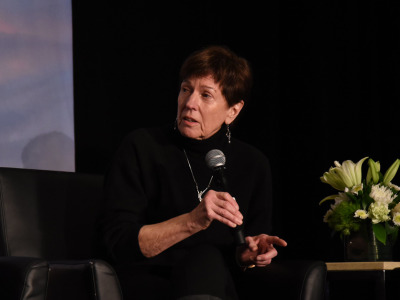
Nina Fedoroff

Nina Fedoroff

“The kinds of modification that can be made through traditional breeding, which now defined to include chemical and radiation mutagenesis, cover a much larger array of genetic changes than is included in the detailed list of exemptions listed in the proposed rule,” wrote Fedoroff, who is a science adviser in the Olsson Frank Weeda Terman Matz law firm. 

But the groups representing grain traders and processors argued that USDA hasn’t provided scientific justification for the exemptions in the proposed rule and that the self-determination approach “risks undermining consumer acceptance and international regulatory recognition of APHIS’s regulatory oversight.”

The biotech industry acknowledged that USDA should require some form of mandatory notification.

BIO, which represents a wide range of biotech companies, said breeders should be required to file a notification, which would include details of why it is exempt from regulation, at least 90 days before putting the product on the market. The information would later be posted on an agency website. The notification requirement would apply to a product that a developer self-determines to be exempt, not just to those products for which the developer seeks formal confirmation from USDA that it is exempt. 

“BIO looks forward to working with the Agency on implementing guidance that achieves transparency without limiting innovation in either commodity or specialty crops,” the group said in its 43-page filing with APHIS. 

ASTA also supports mandatory notification, although the industry is still debating what the requirements should be, said ASTA President Andy LaVigne. 

The National Cotton Council also agreed that companies should be required to notify USDA when they are going to commercialize products they consider exempt from regulation. “While NCC appreciates the option for self-determination NCC believes it may be in the best interest of transparency, legal-certainty and global adoption of GE traits that seeking agency confirmation of a self-determination of an exempted plant be mandatory,” the group says. 

The National Corn Growers Association cautioned the agency to consider how a mandatory notification system “might be perceived in international markets” and whether and how the notification process would “hinder global acceptance” of biotech products

The National Association of Wheat Growers, which also is concerned about protecting its export markets, called on the federal government to “actively engage with our trading partners as soon as possible to work toward consistent, science-based policies across countries to avoid trade disruptions. 

“All foreign customers expect the continued oversight by USDA to ensure consistent food safety, which is fundamental to their confidence in purchases of U.S. wheat,” the group said in its comments, noting that half the wheat American farmers grow is sold for export. 

The vast majority of the more than 5,400 comments that have been posted online so far have been critical of the administration for seeking to streamline biotech regulations. This statement by one commenter is typical: “To allow companies to determine the safety of their own products ignores the fact of selfishness in humans, and the evidence of it is EVERYWHERE.”

The Center for Science in the Public Interest, a consumer advocacy group that is generally supportive of agricultural biotechnology, also thinks USDA is going too far in deregulating the products. 

CSPI specifically opposes allowing companies to self-determine whether their products are subject to regulation and says the proposed exemptions are too expansive, not too narrow, as BIO, ASTA and Fedoroff argue. 

The proposed rule would eliminate USDA oversight of many ‘traditional’ plants that are genetically engineered, “which could result in harm to human health, the environment, and/or U.S. agricultural interests. We are also concerned that many of the proposed exemptions from oversight are not supported by the necessary scientific data and analysis that would ensure they will not result in adverse impacts,” CSPI said in its comments.

The group goes on, “U.S. consumers and trading partners will not accept unregulated GE products unless the basis for exempting oversight is based on scientific evidence.”

An advocacy group that has long fought USDA in court over biotech regulation, the Center for Food Safety, claims in its comments that the exemptions would “drastically shrink the scope of regulation to a small subset” of genetically engineered organisms. 

“This exemption scheme is arbitrary and capricious, and contrary to sound science, because as APHIS itself concedes, it is impossible to determine whether a specific GE modification on a specific plant could in fact have been effected by means of traditional breeding techniques,” CFS says. 

The organization contends the exemption criteria are so explicit that crop breeders won’t bother to consult with APHIS on whether their products are regulated. 

A USDA official said recently that the department should be on track to finalize the regulatory changes in mid-2020.

Imprimir Artigo
Publicação Anterior

FILPORC – Associação Interprofissional da Fileira da Carne de Porco reconhecida como Organização Interprofissional

Próxima Publicação

Comer menos carne para impedir as alterações climáticas? Zero defende que sim

Artigos Relacionados

Internacional

Autoridades moçambicanas investigam contaminação de rio após morte de peixes

01/10/2026
Internacional

Brasil olha para África como a próxima fronteira agrícola

01/10/2026
Internacional

Angola quer transformar potencial agrícola em negócio e coloca 37 milhões de hectares no radar dos investidores

01/10/2026
Próxima Publicação

Comer menos carne para impedir as alterações climáticas? Zero defende que sim

Discussão sobre este post

Opinião

Últimas

AIGP: fracasso ou sucesso?

por José Martino
30/09/2026

Ler maisDetails
Últimas

Microrganismos ao serviço de uma agricultura mais sustentável

por Afonso Pereira da Silva
27/09/2026

Ler maisDetails

Subscrever as nossas newsletteres

Subscrever as nossas Newsletters Agroportal

Verifique na sua caixa de correio ou na pasta de spam para confirmar a sua subscrição.

Comunicados

Fenalac

Taxa da Sociedade Ponto Verde esmaga o setor

01/10/2026

4.º Encontro Nacional das Guardiãs da Natureza mobiliza territórios, municípios e parceiros pela sustentabilidade

01/10/2026
Advertisement

Temas em destaque

Candidaturas PU Global Agri Forum 2026 Guerra Médio Oriente Mercosul ovibeja PAC pós 2027 Simplificação PAC Temporais vinho Água que Une

Eventos

Outubro 2026
STQQSSD
    1 2 3 4
5 6 7 8 9 10 11
12 13 14 15 16 17 18
19 20 21 22 23 24 25
26 27 28 29 30 31  
« Set   Nov »

Sobre Nós

O Agroportal.pt é uma plataforma de informação digital que reúne a informação relevante sobre agricultura. Tem um foco na Política Agrícola Comum e a sua aplicação em Portugal.

Menu

  • Quem somos
  • Relatórios anuais
  • Envie-nos informação
  • Publicidade
  • Newsletters
  • Estatuto Editorial
  • Ficha técnica
  • Proteção de Dados Pessoais
  • Disclaimer
Facebook twitter Circle Instagram Rss Feed

© Agroportal. All Rights reserved.

Bem-Vindo De Volta!

Sign In with Facebook
Sign In with Google
OR

Faça login na sua conta abaixo

Esqueceu-se da senha? Registar

Criar Uma Nova Conta!

Sign Up with Facebook
Sign Up with Google
OR

Preencha os campos abaixo para se registar

* Ao se registar-se no nosso site, você concorda com os Termos e Condições e a Política de Privacidade .
Todos os campos são necessários. Entrar

Obter a sua senha

Indique por favor o seu nome de utilizador ou endereço de E-mail para repor a sua senha.

Entrar
  • Login
  • Registar
Sem Resultado
Ver Todos Os Resultados
  • Sugeridas
  • Notícias
    • Nacional
    • Internacional
    • Comunicados
  • Opinião
  • Eventos
  • Dossiers
    • Agricultura Biológica
    • Apoios
    • Artigos Técnicos
    • Biossoluções
    • Cadeia Alimentar
    • Fertilizantes
    • Financiamento
    • Fitofarmacêuticos
    • Florestas
    • Futuro da PAC
    • Inovação
    • Mercados e Cotações agrícolas
    • Newsletters e Revistas
    • Recomendações Agroflorestais
    • Seguros agrícolas
  • Serviços
    • Diretório
    • Emprego
    • Máquinas Agrícolas
    • Meteorologia
    • Terrenos Agrícolas
    • Arquivo Agroportal

© Agroportal. All Rights reserved.

Este site usa cookies. Ao continuar a utilizar este site, está a dar consentimento à utilização de cookies. Visite a nossa Política de Protecção de dados e Cookies.