







Sem Resultado
Ver Todos Os Resultados
Newsletters
Agroportal
  • Login
  • Registar
  • Sugeridas
  • Notícias
    • Notícias
    • Nacional
    • Internacional
    • Comunicados

    Ministério da Agricultura recusa perda de autonomia das comunidades baldias

    Mau tempo: Efeitos da Kristin aumentam risco de incêndios nas zonas afetadas – Relatório

    rio com videiras e vinha no douro

    Douro recebe Concurso Mundial de Bruxelas de 14 a 16 de maio de 2027

    vinha no rio douro

    Aumentos “absurdos” dos custos de produção preocupam viticultores do Douro

    ipma

    IPMA: Temperaturas elevadas e poeiras em suspensão em Portugal continental – Comunicado n.º 3

    fogo chamas armazém

    Perto de um terço de Portugal continental com risco alto e muito alto de incêndio rural – INE

    lince ibérico cedida icnf

    “O problema não é a mudança de gestão”. Reunião entre equipa do centro do lince-ibérico e ICNF tenta travar impasse sobre mudança de gestão

    vinho copo fundo branco

    Cerca de 40 produtores de vinho do Alentejo participam no ÉvoraWine

    wood chainsaw

    Sapadores florestais de Vieira do Minho regressam ao trabalho na segunda-feira

  • Opinião

    Barragens Não Resolvem Desertificação; Resolvem Estatística

    Água, agricultura e adaptação climática no Algarve: estamos a escolher as soluções certas?

    Manuel Chaveiro Soares

    Importa criar condições para melhorar a competitivade agrícola

    António Covas

    O mundo agro rural, entre o bio produtivismo e o pós-produtivismo

    Valorizar o azeite português: um desígnio coletivo para o futuro

    Apoios ao Investimento Agrícola: Permanentes, Estruturados e sem Ilusões

    A Falácia das Taxas: Quem paga aos agricultores pelo carbono que sequestram?

    PARCA: da coragem inicial à impotência institucional

    João Dinis

    Pastores e queijo da serra

  • Eventos
  • Dossiers

    Dossiers I

    • Agricultura Biológica
    • Apoios
    • Artigos Técnicos
    • Biossoluções
    • Cadeia Alimentar
    • Fertilizantes
    • Financiamento
    • Fitofarmacêuticos

    Dossiers II

    • Florestas
    • Futuro da PAC
    • Inovação
    • Mercados
    • Newsletters e Revistas
    • Recomendações Agroflorestais
    • Seguros

    Últimas

    Almendras: la ecológica alcanza su nivel más elevado de los últimos años

    23/05/2026

    Aceite de oliva Se mantiene la tónica bajista en los precios en origen

    23/05/2026

    Cotações – Bovinos – 11 a 17 de maio de 2026

    22/05/2026

    Relatório semanal de acompanhamento dos mercados do setor da agricultura – 11 a 17 de maio de 2026

    22/05/2026

    Cotações – Ovinos e Caprinos – 11 a 17 de maio de 2026

    22/05/2026

    Sapadores florestais de Vieira do Minho regressam ao trabalho na segunda-feira

    22/05/2026
  • Serviços
    • Diretório
    • Emprego
    • Máquinas Agrícolas
    • Meteorologia
    • Terrenos Agrícolas
    • Arquivo Agroportal
Agroportal
  • Sugeridas
  • Notícias
    • Notícias
    • Nacional
    • Internacional
    • Comunicados

    Ministério da Agricultura recusa perda de autonomia das comunidades baldias

    Mau tempo: Efeitos da Kristin aumentam risco de incêndios nas zonas afetadas – Relatório

    rio com videiras e vinha no douro

    Douro recebe Concurso Mundial de Bruxelas de 14 a 16 de maio de 2027

    vinha no rio douro

    Aumentos “absurdos” dos custos de produção preocupam viticultores do Douro

    ipma

    IPMA: Temperaturas elevadas e poeiras em suspensão em Portugal continental – Comunicado n.º 3

    fogo chamas armazém

    Perto de um terço de Portugal continental com risco alto e muito alto de incêndio rural – INE

    lince ibérico cedida icnf

    “O problema não é a mudança de gestão”. Reunião entre equipa do centro do lince-ibérico e ICNF tenta travar impasse sobre mudança de gestão

    vinho copo fundo branco

    Cerca de 40 produtores de vinho do Alentejo participam no ÉvoraWine

    wood chainsaw

    Sapadores florestais de Vieira do Minho regressam ao trabalho na segunda-feira

  • Opinião

    Barragens Não Resolvem Desertificação; Resolvem Estatística

    Água, agricultura e adaptação climática no Algarve: estamos a escolher as soluções certas?

    Manuel Chaveiro Soares

    Importa criar condições para melhorar a competitivade agrícola

    António Covas

    O mundo agro rural, entre o bio produtivismo e o pós-produtivismo

    Valorizar o azeite português: um desígnio coletivo para o futuro

    Apoios ao Investimento Agrícola: Permanentes, Estruturados e sem Ilusões

    A Falácia das Taxas: Quem paga aos agricultores pelo carbono que sequestram?

    PARCA: da coragem inicial à impotência institucional

    João Dinis

    Pastores e queijo da serra

  • Eventos
  • Dossiers

    Dossiers I

    • Agricultura Biológica
    • Apoios
    • Artigos Técnicos
    • Biossoluções
    • Cadeia Alimentar
    • Fertilizantes
    • Financiamento
    • Fitofarmacêuticos

    Dossiers II

    • Florestas
    • Futuro da PAC
    • Inovação
    • Mercados
    • Newsletters e Revistas
    • Recomendações Agroflorestais
    • Seguros

    Últimas

    Almendras: la ecológica alcanza su nivel más elevado de los últimos años

    23/05/2026

    Aceite de oliva Se mantiene la tónica bajista en los precios en origen

    23/05/2026

    Cotações – Bovinos – 11 a 17 de maio de 2026

    22/05/2026

    Relatório semanal de acompanhamento dos mercados do setor da agricultura – 11 a 17 de maio de 2026

    22/05/2026

    Cotações – Ovinos e Caprinos – 11 a 17 de maio de 2026

    22/05/2026

    Sapadores florestais de Vieira do Minho regressam ao trabalho na segunda-feira

    22/05/2026
  • Serviços
    • Diretório
    • Emprego
    • Máquinas Agrícolas
    • Meteorologia
    • Terrenos Agrícolas
    • Arquivo Agroportal
Sem Resultado
Ver Todos Os Resultados
Agroportal

Turning the tide on plastic in Europe’s rivers

por Horizon - EU
19-03-2026 | 11:34
em Últimas, Internacional
Tempo De Leitura: 5 mins
A A
Partilhe no FacebookPartilhe no TwitterEnviar para o WhatsappEnviar para o TelegramEnviar para o LinkedIn

From his bedroom desk in the Belgian town of Dendermonde, Gert Everaert used to watch the river Scheldt flow past. Barges and small boats drifted by. Birds fished. But the river also carried something less picturesque – a steady stream of litter and plastic waste.

“Cars would stop and people threw rubbish straight into the water,” he recalled. “All kinds of trash floated by. That always made me incredibly sad.”

Today, Everaert is no longer just watching. As deputy research director at the Flanders Marine Institute, he now leads INSPIRE, a major EU-funded research initiative bringing together scientists and innovators from 13 EU countries, plus Serbia and Thailand.

Their aim is ambitious but straightforward: stop plastic in rivers before it reaches the ocean – and prevent it from ever entering our waterways in the first place.

The INSPIRE team is developing a wide range of new tools to help clean up Europe’s rivers. From smart detection systems using drones and AI-powered cameras, to clean-up processes capable of capturing even tiny plastic particles. They are also working upstream, trying to stop plastic at the source before it reaches rivers.

Why rivers matter

When people think about waterborne plastic pollution, they often picture vast patches of rubbish swirling in the open ocean or beaches covered in debris. But much of that plastic started its journey inland.

“Cleaning up rivers is the most efficient way to tackle the pollution, besides preventing pollution in the first place.

Gert Everaert, INSPIRE

“Most of the plastic pollution in our oceans flows out of rivers,” Everaert explained. “The longer you wait to collect it, the more it breaks down into microplastics and spreads. Cleaning up rivers is the most efficient way to tackle the pollution, besides preventing pollution in the first place.”

INSPIRE is part of a wider European effort to reduce plastic pollution. By 2030, the EU aims to reduce plastic litter at sea by 50% and reduce microplastics released into the environment by 30%. If those targets are to be met, rivers will be central to the solution.

Unlike ocean clean-up projects, which deal with waste that has already dispersed widely, river-based approaches allow researchers to intervene closer to the source – before plastic disintegrates into smaller and harder-to-remove particles.

Stop it at source

When it comes to pollution, prevention matters even more than removal. Once plastic enters a river system, it starts to degrade. Eventually, it breaks down into microscopic particles that are extremely difficult – sometimes impossible – to retrieve.

Everaert points to packaging as one target area.

“Today, vegetables are often packed in plastic, to keep them fresh longer. We’re testing whether we can replace that with chitosan, a biodegradable film derived from shellfish.”

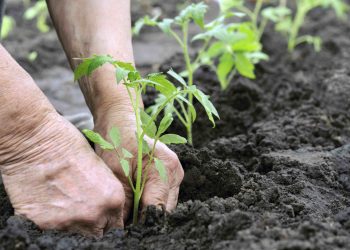
Another target is agricultural plastic. Farmers widely use plastic films for mulching, covering soil to protect crops and retain moisture. But fragments often remain in the soil long after use. INSPIRE researchers are trialling bio-based polymers that could replace these materials and degrade naturally instead of accumulating.

These alternatives are being tested at agricultural sites across Europe. The idea is not simply to invent new materials, but to ensure they work in real-world conditions.

From the Danube to the Douro

The INSPIRE researchers are developing and testing 20 different technologies across six European rivers, including the Scheldt in Belgium, the Rhine in the Netherlands, the Danube in Romania and the Douro in Portugal.

The variety is deliberate.

“Plastic pollution contains many types of polymers, and they come in different forms and sizes,” Everaert said. “In the Danube, pollution looks different than in the Scheldt. There’s no one-size-fits-all solution.”

Some rivers carry large floating debris. Others contain more fragmented or industrial plastic waste. Weather, shipping traffic, urbanisation and local waste systems all influence what ends up in the water.

To better understand and track pollution, researchers are deploying drones and AI-powered cameras that can automatically detect and classify plastic waste along riverbanks and on the water surface. These systems help authorities identify hotspots and act faster.

Smaller than a human hair

The researchers are also developing technologies to remove plastic from the water in all its forms and sizes. One of the most challenging sources of pollution is also the hardest to see: microplastics and nanoplastics.

Microplastics are particles smaller than 5 millimetres. Nanoplastics are smaller still – less than one micrometre in diameter. For comparison, a human hair measures about 70 micrometres across.

These particles are now found almost everywhere – in water, soil, air, and even inside the human body. Scientists are still investigating the full health implications, but early research suggests possible links to inflammation and other health concerns, including cancer, allergies and immune system disorders.

Delvec, a Greek nanomaterials company involved in INSPIRE, is developing a way to remove the tiniest plastic particles from water.

“I think microplastics and nanoplastics are to us what asbestos was to the previous generation.

Jeorge Deligiannakis, INSPIRE

“I think microplastics and nanoplastics are to us what asbestos was to the previous generation,” said Jeorge Deligiannakis, Delvec’s CEO. “We are only beginning to understand the risks, but we need to learn how to remove them.”

Delvec has created a prototype filter that captures nanoplastics without blocking water flow. The filter is coated with specially designed nanomaterials that bind to plastic particles.

“It’s like a reactive powder on the filter surface,” Deligiannakis explained. “It grabs the plastic nanoparticles as the water passes through.”

The prototype has already been tested in Slovenia. However, it still needs to be scaled up to handle the much larger volumes processed in wastewater treatment plants.

“The next step is industrialisation,” Deligiannakis said. “We need to make it robust enough for full-scale treatment facilities.”

Turning the tap off on plastic

The INSPIRE researchers will continue their collaboration until spring 2027. By then, the team hopes to deliver not just individual technologies, but a practical blueprint that can be rolled out across Europe.

“We need to turn off the tap on plastic,” Everaert said. “Most plastic trash accumulates in rivers and can ultimately be flushed to the ocean.”

At the same time, rivers are not just waterways, he points out. They are ecosystems in their own right, rich in biodiversity and essential to human communities.

For Everaert, the mission remains deeply personal. The river he once watched as a boy is now part of a Europe-wide effort to rethink how plastic is used, managed and prevented.

If INSPIRE succeeds, the sight of rubbish drifting downstream could become a thing of the past. Instead of carrying plastic toward the sea, Europe’s rivers may once again run clean.

Research in this article was funded by the EU’s Horizon Programme. The views of the interviewees don’t necessarily reflect those of the European Commission. If you liked this article, please consider sharing it on social media.

O artigo foi publicado originalmente em Horizon, the EU Research and Innovation Magazine.
Imprimir Artigo
Publicação Anterior

Irão: CNA propõe ao Governo regulação do preço dos combustíveis

Próxima Publicação

Évora acolhe lançamento do Laboratório Vivo TRAILS4SOIL para impulsionar a saúde do solo em Culturas Permanentes

Artigos Relacionados

Últimas

Barragens Não Resolvem Desertificação; Resolvem Estatística

24/05/2026
Nacional

Ministério da Agricultura recusa perda de autonomia das comunidades baldias

23/05/2026
Nacional

Mau tempo: Efeitos da Kristin aumentam risco de incêndios nas zonas afetadas – Relatório

23/05/2026
Próxima Publicação
farm land

Évora acolhe lançamento do Laboratório Vivo TRAILS4SOIL para impulsionar a saúde do solo em Culturas Permanentes

Opinião

Últimas

Barragens Não Resolvem Desertificação; Resolvem Estatística

por Nuno Mamede Santos
24/05/2026

Ler mais
Últimas

Água, agricultura e adaptação climática no Algarve: estamos a escolher as soluções certas?

por Maria João Sacadura
17/05/2026

Ler mais

Subscrever as nossas newsletteres

Subscrever as nossas Newsletters Agroportal

Verifique na sua caixa de correio ou na pasta de spam para confirmar a sua subscrição.

Comunicados

ipma

IPMA: Temperaturas elevadas e poeiras em suspensão em Portugal continental – Comunicado n.º 3

22/05/2026
DGAV

DGAV | Contratação de Técnico(a) Superior– Prestação de Serviços (Avença)

22/05/2026
Advertisement

Temas em destaque

Candidaturas PU Guerra Médio Oriente Mercosul ovibeja PAC pós 2027 Simplificação PAC Temporais vinho Água que Une

Eventos

Maio 2026
STQQSSD
     1 2 3
4 5 6 7 8 9 10
11 12 13 14 15 16 17
18 19 20 21 22 23 24
25 26 27 28 29 30 31
« Abr   Jun »

Sobre Nós

O Agroportal.pt é uma plataforma de informação digital que reúne a informação relevante sobre agricultura. Tem um foco na Política Agrícola Comum e a sua aplicação em Portugal.

Menu

  • Quem somos
  • Relatórios anuais
  • Envie-nos informação
  • Publicidade
  • Newsletters
  • Estatuto Editorial
  • Ficha técnica
  • Proteção de Dados Pessoais
  • Disclaimer
Facebook twitter Circle Instagram Rss Feed

© Agroportal. All Rights reserved.

  • Login
  • Registar
Sem Resultado
Ver Todos Os Resultados
  • Sugeridas
  • Notícias
    • Nacional
    • Internacional
    • Comunicados
  • Opinião
  • Eventos
  • Dossiers
    • Agricultura Biológica
    • Apoios
    • Artigos Técnicos
    • Biossoluções
    • Cadeia Alimentar
    • Fertilizantes
    • Financiamento
    • Fitofarmacêuticos
    • Florestas
    • Futuro da PAC
    • Inovação
    • Mercados e Cotações agrícolas
    • Newsletters e Revistas
    • Recomendações Agroflorestais
    • Seguros agrícolas
  • Serviços
    • Diretório
    • Emprego
    • Máquinas Agrícolas
    • Meteorologia
    • Terrenos Agrícolas
    • Arquivo Agroportal

© Agroportal. All Rights reserved.

Bem-Vindo De Volta!

Sign In with Facebook
Sign In with Google
OU

Faça login na sua conta abaixo

Esqueceu-se da senha? Registar

Criar Uma Nova Conta!

Sign Up with Facebook
Sign Up with Google
OU

Preencha os campos abaixo para se registar

* Ao se registar-se no nosso site, você concorda com os Termos e Condições e a Política de Privacidade .
Todos os campos são necessários. Entrar

Obter a sua senha

Indique por favor o seu nome de utilizador ou endereço de E-mail para repor a sua senha.

Entrar
Este site usa cookies. Ao continuar a utilizar este site, está a dar consentimento à utilização de cookies. Visite a nossa Política de Protecção de dados e Cookies.