
















Sem Resultado
Ver Todos Os Resultados
Newsletters
Agroportal
  • Login
  • Registar
  • Sugeridas
  • Notícias
    • Notícias
    • Nacional
    • Internacional
    • Comunicados

    Câmara de Tarouca apoia produtores pecuários

    plantas a crescer

    Líder do PS/Açores acusa Governo Regional de não ter estratégia para a Agricultura

    porcos

    Trabalhadores do matadouro do Cachão cancelam greve prevista para 27 e 28 de julho

    Governo simplifica regras para as explorações pecuárias e dá resposta a reivindicação histórica dos suinicultores

    DGAV

    Emirados Árabes Unidos (EAU) – Abertura de mercado

    tomate coração boi

    Dia de campo H2OEfficient 2.0 sobre rega em tomate de indústria a 30 de Julho

    Comissário europeu reconhece necessidade de renovar frota do peixe-espada preto na Madeira

    Espanha perdeu 530 explorações de leite em 12 meses

    Região dos Vinhos Verdes prepara mais de 1000 armadilhas ‘inteligentes’ para vigiar a vinha

  • Opinião
    Manuel Chaveiro Soares

    Sobre a excelência da alimentação em Portugal

    Produzir bem já não chega: eficiência, estratégia e os desafios da engorda de bovinos

    Segurança Alimentar Europeia Como Ativo Estratégico

    Sabemos distinguir um frango do campo. Porque não conseguimos distinguir um Azeite de Olival Tradicional?

    Carlos Neves

    Promoções que despromovem a produção de leite de Portugal

    Georgete Felix

    O balanço invisível da agricultura

    Acordo UE-Mercosul

    Manuel Chaveiro Soares

    Melhoramento genético dos frangos de carne: importância para os consumidores e o ambiente

    A escolha certa!

  • Eventos
  • Dossiers

    Dossiers I

    • Agricultura Biológica
    • Apoios
    • Artigos Técnicos
    • Biossoluções
    • Cadeia Alimentar
    • Fertilizantes
    • Financiamento
    • Fitofarmacêuticos

    Dossiers II

    • Florestas
    • Futuro da PAC
    • Inovação
    • Mercados
    • Newsletters e Revistas
    • Recomendações Agroflorestais
    • Seguros

    Últimas

    Cotações – Produtos Hortícolas – 13 a 19 de julho de 2026

    21/07/2026
    nenúfar

    Cotações – Flores e Folhagens – 13 a 19 de julho de 2026

    21/07/2026

    Emirados Árabes Unidos (EAU) – Abertura de mercado

    21/07/2026

    OGM | Arroz biofortificado com zinco supera expectativas em projeto piloto nas Filipinas

    21/07/2026

    Menos cápsulas, mais grãos: consumo de café em casa está a mudar, revela estudo

    21/07/2026

    Boletim Mensal da Agricultura e Pescas – Julho de 2026

    21/07/2026
  • Serviços
    • Diretório
    • Emprego
    • Máquinas Agrícolas
    • Meteorologia
    • Terrenos Agrícolas
    • Arquivo Agroportal
Agroportal
  • Sugeridas
  • Notícias
    • Notícias
    • Nacional
    • Internacional
    • Comunicados

    Câmara de Tarouca apoia produtores pecuários

    plantas a crescer

    Líder do PS/Açores acusa Governo Regional de não ter estratégia para a Agricultura

    porcos

    Trabalhadores do matadouro do Cachão cancelam greve prevista para 27 e 28 de julho

    Governo simplifica regras para as explorações pecuárias e dá resposta a reivindicação histórica dos suinicultores

    DGAV

    Emirados Árabes Unidos (EAU) – Abertura de mercado

    tomate coração boi

    Dia de campo H2OEfficient 2.0 sobre rega em tomate de indústria a 30 de Julho

    Comissário europeu reconhece necessidade de renovar frota do peixe-espada preto na Madeira

    Espanha perdeu 530 explorações de leite em 12 meses

    Região dos Vinhos Verdes prepara mais de 1000 armadilhas ‘inteligentes’ para vigiar a vinha

  • Opinião
    Manuel Chaveiro Soares

    Sobre a excelência da alimentação em Portugal

    Produzir bem já não chega: eficiência, estratégia e os desafios da engorda de bovinos

    Segurança Alimentar Europeia Como Ativo Estratégico

    Sabemos distinguir um frango do campo. Porque não conseguimos distinguir um Azeite de Olival Tradicional?

    Carlos Neves

    Promoções que despromovem a produção de leite de Portugal

    Georgete Felix

    O balanço invisível da agricultura

    Acordo UE-Mercosul

    Manuel Chaveiro Soares

    Melhoramento genético dos frangos de carne: importância para os consumidores e o ambiente

    A escolha certa!

  • Eventos
  • Dossiers

    Dossiers I

    • Agricultura Biológica
    • Apoios
    • Artigos Técnicos
    • Biossoluções
    • Cadeia Alimentar
    • Fertilizantes
    • Financiamento
    • Fitofarmacêuticos

    Dossiers II

    • Florestas
    • Futuro da PAC
    • Inovação
    • Mercados
    • Newsletters e Revistas
    • Recomendações Agroflorestais
    • Seguros

    Últimas

    Cotações – Produtos Hortícolas – 13 a 19 de julho de 2026

    21/07/2026
    nenúfar

    Cotações – Flores e Folhagens – 13 a 19 de julho de 2026

    21/07/2026

    Emirados Árabes Unidos (EAU) – Abertura de mercado

    21/07/2026

    OGM | Arroz biofortificado com zinco supera expectativas em projeto piloto nas Filipinas

    21/07/2026

    Menos cápsulas, mais grãos: consumo de café em casa está a mudar, revela estudo

    21/07/2026

    Boletim Mensal da Agricultura e Pescas – Julho de 2026

    21/07/2026
  • Serviços
    • Diretório
    • Emprego
    • Máquinas Agrícolas
    • Meteorologia
    • Terrenos Agrícolas
    • Arquivo Agroportal
Sem Resultado
Ver Todos Os Resultados
Agroportal
drone agricultura

Innovation rush aims to help farmers, rich and poor, beat climate change

por Agroportal
31-07-2019 | 12:25
em Internacional
Tempo De Leitura: 6 mins
A A
Partilhe no FacebookPartilhe no TwitterEnviar para o WhatsappEnviar para o TelegramEnviar para o LinkedIn

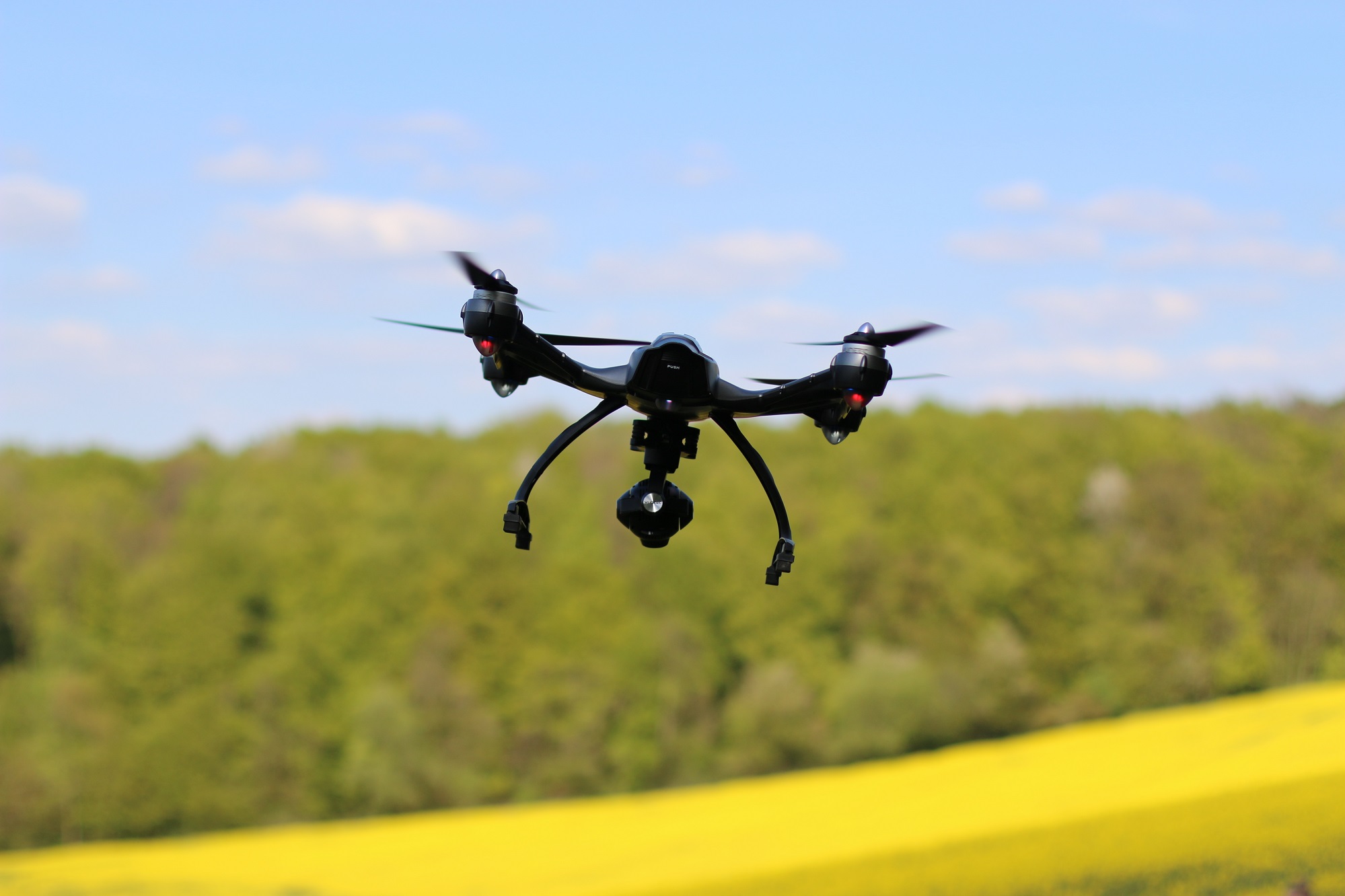
[Fonte: Reuters] LONDON, July 29 (Thomson Reuters Foundation) – In decades to come, African farmers may pool their money to buy small robot vehicles to weed their fields or drones that can hover to squirt a few drops of pesticide only where needed.

Smartphones already allow farmers in remote areas to snap photos of sick plants, upload them and get a quick diagnosis, plus advice on treatment.

Researchers also are trying to train crops like maize and wheat to produce their own nitrogen fertiliser from the air – a trick soybeans and other legumes use – and exploring how to make wheat and rice better at photosynthesis in very hot conditions.

As warmer, wilder weather linked to climate change brings growing challenges for farmers across the globe – and as they try to curb their own heat-trapping emissions – a rush of innovation aimed at helping both rich and poor farmers is now converging in ways that could benefit them all, scientists say.

In a hotter world, farmers share “the same problems, the same issues”, said Svend Christensen, head of plant and environmental sciences at the University of Copenhagen.

Agricultural researchers, who have teamed up to boost harvests and fight the major blight of wheat rust are now forming an international consortium in a bid to make wheat stand up to worsening heat and drought.

“There was a real shift in terms of the intensity of what we do together when we became aware of climate change,” said Hans-Joachim Braun, who heads the global wheat programme for the International Maize and Wheat Improvement Center (CIMMYT), based in Mexico.

For each 1 degree Celsius global temperatures rise above pre-industrial times, wheat harvests drop 5-8%, he said.

That means the world will likely see a 10% drop in harvests even if governments hold global warming to “well below” 2C, as they have agreed, he said – and that drop would come even as the world’s population grows and demand for food rises.

Finding ways to breed wheat that can cope better with heat could help farmers from Australia to India and China, as well as the people who depend on their grain, he said.

“It doesn’t matter where you use this trait – it will have an impact,” Braun said.

DARE TO DREAM

One idea scientists are working on is to fundamentally reshape how crops such as wheat and rice carry out photosynthesis, to make them better able to continue producing in hot weather, especially if less water is available.

The process – like efforts to help wheat and maize start making their own fertiliser – is hugely complex and will likely require decades of work, scientists say.

“It would be a mega-breakthrough. Many people think it’s dreaming a little bit because it’s so difficult,” said Bruce Campbell, director of the CGIAR Research Programme on Climate Change, Agriculture and Food Security (CCAFS).

But early tests to improve photosynthesis in tobacco have shown a 40% boost in production – and the technique is now being tested with crops from cassava to maize, said Kathy Kahn, a crop research expert with the Bill & Melinda Gates Foundation.

Nick Austin, who directs agricultural development for the foundation, said such changes “are going to benefit the poor and rich worlds together” – and could play a key role in keeping food prices affordable.

“These technologies… are going to be globally relevant,” he predicted.

Other efforts to help farmers – including the poorest – adapt to climate pressures have already taken root, Khan said.

Flood-tolerant rice that can withstand being submerged under water, for instance, is now being used by 6 million farmers in Asia to cope with more extreme weather, she said.

But Christensen, of the University of Copenhagen, thinks even more high-tech innovations – from weeding robots to drones – are likely to reach poorer farmers too.

With Africa expected to see rapid population growth and movement to cities in coming decades, its farmers will need to become more efficient at producing larger amounts of food, he said.

“If you want to increase efficiency, you need to use machinery to do some of the hard work,” he added.

He believes prices for drones and robots will fall rapidly in years to come, just as they once did for mobile phones.

“Maybe you will share this machinery with your neighbour,” Christensen said. “A village of smallholder farmers could think of buying one for all their fields.”

TWO-WAY FLOW

As consumers and companies demand to know more about the origin of what they buy, farmers in poorer nations could also adopt systems from blockchain to microchips tucked into cauliflower to help with tracking, said CCAFS principal scientist Philip Thornton.

Thornton is working on a “Wild Futures” report, due out later this year, that will dig into potential high-tech advances and predict how the food system might look in 15-20 years’ time, given the pace of technological change, he said.

There is still “quite a lot of uncertainty” about how much high-tech innovation will reach poorer small-scale farmers and especially around how quickly that could happen, he added.

But CCAFS director Campbell predicted there would be “many innovations, and the innovations are highly likely to be picked up elsewhere” beyond their source.

Christensen said ideas also are increasingly flowing from poorer countries to richer ones, not just in the other direction, particularly because the poorest are in some cases dealing with the strongest climate impacts first.

“There’s a lot of inspiration from the people in developing countries,” he said. (Reporting by Laurie Goering; editing by Megan Rowling. Please credit the Thomson Reuters Foundation, the charitable arm of Thomson Reuters, that covers humanitarian news, climate change, resilience, women’s rights, trafficking and property rights. Visit news.trust.org/climate)

Imprimir Artigo
Publicação Anterior

Socorro, estamos sem água. Socorro, a culpa é nossa

Próxima Publicação

Smartphone-powered device quickly detects diseased plants, could help protect crop yields

Artigos Relacionados

Internacional

Espanha perdeu 530 explorações de leite em 12 meses

21/07/2026
seca
Internacional

Alpes vivem seca extrema: situação crítica para animais e agricultores

21/07/2026
Internacional

China reforça compras de soja brasileira e reduz importações dos Estados Unidos

21/07/2026
Próxima Publicação
breeding

Smartphone-powered device quickly detects diseased plants, could help protect crop yields

Discussão sobre este post

Opinião

Manuel Chaveiro Soares
Últimas

Sobre a excelência da alimentação em Portugal

por Manuel Chaveiro Soares
19/07/2026

Ler maisDetails
Últimas

Produzir bem já não chega: eficiência, estratégia e os desafios da engorda de bovinos

por Vítor Santos
12/07/2026

Ler maisDetails

Subscrever as nossas newsletteres

Subscrever as nossas Newsletters Agroportal

Verifique na sua caixa de correio ou na pasta de spam para confirmar a sua subscrição.

Comunicados

Governo simplifica regras para as explorações pecuárias e dá resposta a reivindicação histórica dos suinicultores

21/07/2026
DGAV

Emirados Árabes Unidos (EAU) – Abertura de mercado

21/07/2026
Advertisement

Temas em destaque

Candidaturas PU Guerra Médio Oriente Mercosul ovibeja PAC pós 2027 Simplificação PAC Temporais vinho Água que Une

Eventos

Julho 2026
STQQSSD
   1 2 3 4 5
6 7 8 9 10 11 12
13 14 15 16 17 18 19
20 21 22 23 24 25 26
27 28 29 30 31   
« Jun   Ago »

Sobre Nós

O Agroportal.pt é uma plataforma de informação digital que reúne a informação relevante sobre agricultura. Tem um foco na Política Agrícola Comum e a sua aplicação em Portugal.

Menu

  • Quem somos
  • Relatórios anuais
  • Envie-nos informação
  • Publicidade
  • Newsletters
  • Estatuto Editorial
  • Ficha técnica
  • Proteção de Dados Pessoais
  • Disclaimer
Facebook twitter Circle Instagram Rss Feed

© Agroportal. All Rights reserved.

Bem-Vindo De Volta!

Sign In with Facebook
Sign In with Google
OR

Faça login na sua conta abaixo

Esqueceu-se da senha? Registar

Criar Uma Nova Conta!

Sign Up with Facebook
Sign Up with Google
OR

Preencha os campos abaixo para se registar

* Ao se registar-se no nosso site, você concorda com os Termos e Condições e a Política de Privacidade .
Todos os campos são necessários. Entrar

Obter a sua senha

Indique por favor o seu nome de utilizador ou endereço de E-mail para repor a sua senha.

Entrar
  • Login
  • Registar
Sem Resultado
Ver Todos Os Resultados
  • Sugeridas
  • Notícias
    • Nacional
    • Internacional
    • Comunicados
  • Opinião
  • Eventos
  • Dossiers
    • Agricultura Biológica
    • Apoios
    • Artigos Técnicos
    • Biossoluções
    • Cadeia Alimentar
    • Fertilizantes
    • Financiamento
    • Fitofarmacêuticos
    • Florestas
    • Futuro da PAC
    • Inovação
    • Mercados e Cotações agrícolas
    • Newsletters e Revistas
    • Recomendações Agroflorestais
    • Seguros agrícolas
  • Serviços
    • Diretório
    • Emprego
    • Máquinas Agrícolas
    • Meteorologia
    • Terrenos Agrícolas
    • Arquivo Agroportal

© Agroportal. All Rights reserved.

Este site usa cookies. Ao continuar a utilizar este site, está a dar consentimento à utilização de cookies. Visite a nossa Política de Protecção de dados e Cookies.