















Sem Resultado
Ver Todos Os Resultados
Newsletters
Agroportal
  • Login
  • Registar
  • Sugeridas
  • Notícias
    • Notícias
    • Nacional
    • Internacional
    • Comunicados

    Tribunal moçambicano volta a rejeitar ação contra importação de arroz e trigo

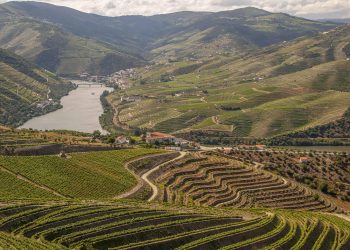
    rio com videiras e vinha no douro

    Presidente da CCDR-N defende soluções duradouras para a crise no Douro

    Duas quintas em Sabrosa e uma em Foz Côa vencem Prémio Vinha Douro 2025

    Produção de azeite mundial deverá crescer 6,4% em 2026/27

    Nova solução Easytrack Geofolia chega ao mercado português através da ISAGRI

    ecvc ogm

    Carta abierta: la propuesta legislativa sobre los microorganismos modificados genéticamente supone una grave amenaza para la agricultura, la salud y el medio ambiente. 65 organisaciones piden su rechazo

    trator verde céu

    OE2027: Governo terá de definir apoios ao setor agrícola contra aumento dos preços

    Produção mundial de azeite deverá subir 6,4%, para 3,74 milhões de toneladas, em 2026/27

    ipma

    IPMA: Ano Hidrológico 2025-2026

  • Opinião

    Uma azeitona não vale sempre o mesmo. Porque é que em Portugal continuamos a pagar como se valesse?

    O exemplo da Charles para a PAC

    Pecuária extensiva

    Manuel Chaveiro Soares

    Importa recuperar a economia da União Europeia

    A Grande Narrativa da Alimentação: Alimentar o Mundo ou Alimentar um Sistema?

    Jovens agricultores em Portugal: não partimos todos do mesmo sítio e o género conta

    Pedro-Pimentel

    Portugal tem uma palavra a dizer

    Jose Mesquita Milheiro

    Agricultura, filha de um deus menor. Até quando?

    Registo Internacional de Marcas no Setor Agroalimentar

  • Eventos
  • Dossiers

    Dossiers I

    • Agricultura Biológica
    • Apoios
    • Artigos Técnicos
    • Biossoluções
    • Cadeia Alimentar
    • Fertilizantes
    • Financiamento
    • Fitofarmacêuticos

    Dossiers II

    • Florestas
    • Futuro da PAC
    • Inovação
    • Mercados
    • Newsletters e Revistas
    • Recomendações Agroflorestais
    • Seguros

    Últimas

    Produção de azeite mundial deverá crescer 6,4% em 2026/27

    23/11/2026
    ecvc ogm

    Carta abierta: la propuesta legislativa sobre los microorganismos modificados genéticamente supone una grave amenaza para la agricultura, la salud y el medio ambiente. 65 organisaciones piden su rechazo

    23/11/2026

    OE2027: Governo terá de definir apoios ao setor agrícola contra aumento dos preços

    23/11/2026

    Produção mundial de azeite deverá subir 6,4%, para 3,74 milhões de toneladas, em 2026/27

    23/11/2026

    Navigator promove ação de reflorestação e faz nascer mais 530 novas árvores em Ansião

    23/11/2026

    OIV – Primeiras estimativas da produção mundial de Vinho 2026

    23/11/2026
  • Serviços
    • Diretório
    • Emprego
    • Máquinas Agrícolas
    • Meteorologia
    • Terrenos Agrícolas
    • Arquivo Agroportal
Agroportal
  • Sugeridas
  • Notícias
    • Notícias
    • Nacional
    • Internacional
    • Comunicados

    Tribunal moçambicano volta a rejeitar ação contra importação de arroz e trigo

    rio com videiras e vinha no douro

    Presidente da CCDR-N defende soluções duradouras para a crise no Douro

    Duas quintas em Sabrosa e uma em Foz Côa vencem Prémio Vinha Douro 2025

    Produção de azeite mundial deverá crescer 6,4% em 2026/27

    Nova solução Easytrack Geofolia chega ao mercado português através da ISAGRI

    ecvc ogm

    Carta abierta: la propuesta legislativa sobre los microorganismos modificados genéticamente supone una grave amenaza para la agricultura, la salud y el medio ambiente. 65 organisaciones piden su rechazo

    trator verde céu

    OE2027: Governo terá de definir apoios ao setor agrícola contra aumento dos preços

    Produção mundial de azeite deverá subir 6,4%, para 3,74 milhões de toneladas, em 2026/27

    ipma

    IPMA: Ano Hidrológico 2025-2026

  • Opinião

    Uma azeitona não vale sempre o mesmo. Porque é que em Portugal continuamos a pagar como se valesse?

    O exemplo da Charles para a PAC

    Pecuária extensiva

    Manuel Chaveiro Soares

    Importa recuperar a economia da União Europeia

    A Grande Narrativa da Alimentação: Alimentar o Mundo ou Alimentar um Sistema?

    Jovens agricultores em Portugal: não partimos todos do mesmo sítio e o género conta

    Pedro-Pimentel

    Portugal tem uma palavra a dizer

    Jose Mesquita Milheiro

    Agricultura, filha de um deus menor. Até quando?

    Registo Internacional de Marcas no Setor Agroalimentar

  • Eventos
  • Dossiers

    Dossiers I

    • Agricultura Biológica
    • Apoios
    • Artigos Técnicos
    • Biossoluções
    • Cadeia Alimentar
    • Fertilizantes
    • Financiamento
    • Fitofarmacêuticos

    Dossiers II

    • Florestas
    • Futuro da PAC
    • Inovação
    • Mercados
    • Newsletters e Revistas
    • Recomendações Agroflorestais
    • Seguros

    Últimas

    Produção de azeite mundial deverá crescer 6,4% em 2026/27

    23/11/2026
    ecvc ogm

    Carta abierta: la propuesta legislativa sobre los microorganismos modificados genéticamente supone una grave amenaza para la agricultura, la salud y el medio ambiente. 65 organisaciones piden su rechazo

    23/11/2026

    OE2027: Governo terá de definir apoios ao setor agrícola contra aumento dos preços

    23/11/2026

    Produção mundial de azeite deverá subir 6,4%, para 3,74 milhões de toneladas, em 2026/27

    23/11/2026

    Navigator promove ação de reflorestação e faz nascer mais 530 novas árvores em Ansião

    23/11/2026

    OIV – Primeiras estimativas da produção mundial de Vinho 2026

    23/11/2026
  • Serviços
    • Diretório
    • Emprego
    • Máquinas Agrícolas
    • Meteorologia
    • Terrenos Agrícolas
    • Arquivo Agroportal
Sem Resultado
Ver Todos Os Resultados
Agroportal
Africa

Agroecology will make poor farmers poorer

por Cornell Alliance for Science
03-06-2022 | 14:55
em Últimas, Internacional, Notícias inovação
Tempo De Leitura: 4 mins
A A
Partilhe no FacebookPartilhe no TwitterEnviar para o WhatsappEnviar para o TelegramEnviar para o LinkedIn

Pitting biotechnology against agroecology — as has been the case in a long-running debate around food and agriculture — is a fundamental error. Biotechnology is a set of tools that can be used to improve crops and animals, while agroecology is an approach to farming that has various meanings for various groups.

The conceptual breadth of the term agroecology makes it easy for different groups to exploit it for their own ideological interests. It is now widely used as a proxy term for fighting genetically modified organisms (GMOs) and conventional farming practices.

This fight has been playing out around the UN Food Systems Summit, held last fall. Agroecology advocates lambasted anyone who supported offered interventions like biotechnology, which they termed “false solutions” compromising food security, democratic accountability and sustainability.

Such political rhetoric is itself problematic, obscuring the urgent need to improve food security and address environmental problems while denying the role of science and evidence in solving real-world challenges. Also, in promoting agroecology as a one-size-fits all solution, its proponents ignore and undermine the complex challenges and trade-offs involved in establishing sustainable agri-food systems that they claim to champion. Crucially, agroecology stands to protract the status-quo of peasant farmers — especially in Africa — keeping them stuck in a vicious cycle of less productive agriculture and poverty.

Agricultural biotechnology is compatible with agroecology , though its critics tend to ignore this fact while denouncing GM crops and industrial agriculture as one big, failed project responsible for the shortfalls of market-oriented food systems and numerous injustices. A recent essay claimed that “GM crops are rooted in a colonial-capitalist model of agriculture based on theft of Indigenous land and on exploiting farmers’ and food workers’ labor, women’s bodies, Indigenous knowledge and the web of life itself.”

But even as they glorify agroecological practices as the path to sustainability, they fail to acknowledge the colonial influence of the donors from well-fed European nations who are primarily funding the current promotion of agroecology in Sub-Saharan Africa. If anything, agroecology could perpetuate the existing inequalities within the food system, as the conservative version seeks to completely lock out modern agricultural innovations without giving farmers a chance to decide what works in their different farming settings.

Agroecology advocates remain oddly silent about the downsides of organic farming — the most widely adopted agroecological standard worldwide. Organic agriculture has been shown to yield less per unit of land in comparison to conventional production, with recent studies reporting yield gaps of up to 35 percent. A 35 percent yield gap would require 50 percent more arable land to grow the same amount of food leading to more biodiversity loss when forests and other wild ecosystems are converted to farmland. Adding 50 percent to global cropland is equivalent to 600 million hectares, more than half the size of the United States.

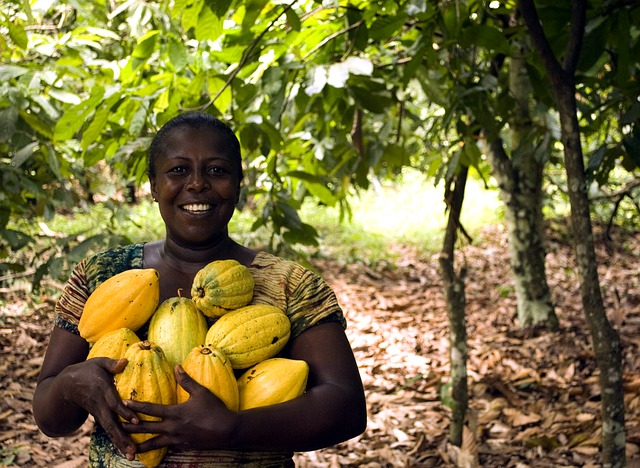
For resource-poor smallholder farmers in Africa, whose yields are already significantly lower than the rest of the world, a shift to idealized agroecological production practices does not offer much promise.

Besides, over 33 million smallholders in Africa who farm less than a hectare of land are already applying most of the same agroecological practices (intercropping, mulching, agroforestry etc.) that agroecologists advocate. To suggest that these farmers should not use technologies, such as biotechnology and digitalization, that could dramatically improve their condition, is to commit them in perpetuity to the same back-breaking, unproductive agriculture they are already practicing.

Furthermore, there is a rising concern that as developed nations move towards increased organic farming, food production is exported overseas to compensate for lower shortfalls in domestic supplies. A recent study shows that this phenomenon is bound to result in a net increase in greenhouse gas emissions, further heightening agriculture’s ecofootprint and exposing fragile smallholder farming systems to the vagaries of climate change.

Even more perplexing is the opposition to public sector biotech research that has delivered or stands to deliver numerous benefits for resource-limited smallholders in developing countries. Agroecology advocates are strongly against Golden Rice as part of the solution to rampant vitamin A deficiency (VAD) in South and Southeast Asia, even as they acknowledge that multiple approaches (nutrition education, capsule supplements etc.) will be required to address this public health problem.

Additionally, they oppose Bt brinjal, an insect-resistant GM eggplant commercialized in Bangladesh in 2013. Bt brinjal adopters have benefitted from a six-fold increase in net revenues over non-GM varieties and a 61 percent reduction in pesticide expenses — both substantial gains for resource-poor farmers in Bangladesh. It is therefore difficult to reconcile the antipathy towards such technologies — especially from those who claim to advocate for more sustainable, just and people-first ways of farming.

All this is not to say that there are no advantages to agroecological practices. In certain circumstances they could complement other modern agricultural solutions that offer real benefits for farmers. Furthermore, in tackling the twin challenge of feeding a growing global population while conserving biodiversity, we must move past the constraints of dualisms that codify production systems like organic and conventional as static entities. Instead, we should seek out win-win solutions that combine the best of both worlds. For example, insect-resistant GM crops can be integrated into organic systems — further reducing the need for pesticide sprays — or complement diversified integrated pest management regimes.

Moving forward, we cannot meaningfully advance the food production debate without breaking down dogmatic fixations with technologies and production practices. We must refocus on inclusive, pragmatic solutions that are not rooted in restrictive food and farming ideologies.

Establishing sustainable and robust food systems will require more options, not less — especially for the world’s poorest farmers. The challenges we seek to solve are complex and require the humility of understanding that there is no one ideal way to approach them. Importantly, we ought to ditch paternalistic rhetoric that blocks smallholders in the global south from accessing and embracing technologies and practices that offer them a path out of hunger and poverty.

BY JOSHUA R. MUHUMUZA

O artigo foi publicado originalmente em Cornell Alliance for Science.
Imprimir Artigo
Publicação Anterior

Pipocas podem escassear nos cinemas norte-americanos. Em Portugal, o preço pode tornar-se “proibitivo”

Próxima Publicação

Live: TerritorialMED: “Desafios da Salvaguarda e Valorização da Dieta Mediterrânica nos Territórios”

Artigos Relacionados

Internacional

Tribunal moçambicano volta a rejeitar ação contra importação de arroz e trigo

23/11/2026
rio com videiras e vinha no douro
Nacional

Presidente da CCDR-N defende soluções duradouras para a crise no Douro

23/11/2026
Nacional

Duas quintas em Sabrosa e uma em Foz Côa vencem Prémio Vinha Douro 2025

23/11/2026
Próxima Publicação
Live

Live: TerritorialMED: "Desafios da Salvaguarda e Valorização da Dieta Mediterrânica nos Territórios"

Opinião

Últimas

Uma azeitona não vale sempre o mesmo. Porque é que em Portugal continuamos a pagar como se valesse?

por Francisco António Vilela Ribeiro
22/11/2026

Ler maisDetails
Últimas

O exemplo da Charles para a PAC

por Pedro Santos
18/11/2026

Ler maisDetails

Subscrever as nossas newsletteres

Subscrever as nossas Newsletters Agroportal

Verifique na sua caixa de correio ou na pasta de spam para confirmar a sua subscrição.

Comunicados

Nova solução Easytrack Geofolia chega ao mercado português através da ISAGRI

23/11/2026

Produção mundial de azeite deverá subir 6,4%, para 3,74 milhões de toneladas, em 2026/27

23/11/2026

Temas em destaque

Candidaturas PU Global Agri Forum 2026 Guerra Médio Oriente inovação Mercosul Omnibus Orçamento 2027 PAC pós 2027 Simplificação PAC Temporais vinho Água que Une

Eventos

Novembro 2026
STQQSSD
       1
2 3 4 5 6 7 8
9 10 11 12 13 14 15
16 17 18 19 20 21 22
23 24 25 26 27 28 29
30       
« Out   Dez »
Advertisement

Sobre Nós

O Agroportal.pt é uma plataforma de informação digital que reúne a informação relevante sobre agricultura. Tem um foco na Política Agrícola Comum e a sua aplicação em Portugal.

Menu

  • Quem somos
  • Relatórios anuais
  • Envie-nos informação
  • Publicidade
  • Newsletters
  • Estatuto Editorial
  • Ficha técnica
  • Proteção de Dados Pessoais
  • Disclaimer
Facebook twitter Circle Instagram Rss Feed

© Agroportal. All Rights reserved.

Bem-Vindo De Volta!

Sign In with Facebook
Sign In with Google
OR

Faça login na sua conta abaixo

Esqueceu-se da senha? Registar

Criar Uma Nova Conta!

Sign Up with Facebook
Sign Up with Google
OR

Preencha os campos abaixo para se registar

* Ao se registar-se no nosso site, você concorda com os Termos e Condições e a Política de Privacidade .
Todos os campos são necessários. Entrar

Obter a sua senha

Indique por favor o seu nome de utilizador ou endereço de E-mail para repor a sua senha.

Entrar
  • Login
  • Registar
Sem Resultado
Ver Todos Os Resultados
  • Sugeridas
  • Notícias
    • Nacional
    • Internacional
    • Comunicados
  • Opinião
  • Eventos
  • Dossiers
    • Agricultura Biológica
    • Apoios
    • Artigos Técnicos
    • Biossoluções
    • Cadeia Alimentar
    • Fertilizantes
    • Financiamento
    • Fitofarmacêuticos
    • Florestas
    • Futuro da PAC
    • Inovação
    • Mercados e Cotações agrícolas
    • Newsletters e Revistas
    • Recomendações Agroflorestais
    • Seguros agrícolas
  • Serviços
    • Diretório
    • Emprego
    • Máquinas Agrícolas
    • Meteorologia
    • Terrenos Agrícolas
    • Arquivo Agroportal

© Agroportal. All Rights reserved.

Este site usa cookies. Ao continuar a utilizar este site, está a dar consentimento à utilização de cookies. Visite a nossa Política de Protecção de dados e Cookies.