


















Sem Resultado
Ver Todos Os Resultados
Newsletters
Agroportal
  • Login
  • Registar
  • Sugeridas
  • Notícias
    • Notícias
    • Nacional
    • Internacional
    • Comunicados

    PCP diz que apoio excecional para o Douro é desadequado e desperdiça uvas

    unac

    “Pinhão de Alcácer” poderá vir a ter Indicação Geográfica Protegida (IGP)

    Brasil esgota quota de exportação de carne bovina e China passa a cobrar sobretaxa de 55%

    O novo ano hidrológico começa a 1 de outubro. Prepare a sua casa para as primeiras chuvas

    35 anos e novo título nacional marcam aniversário da Federação de Caçadores do Algarve

    IFAP

    IFAP: Pagamentos setembro 2026

    Cooperativa Agrícola de Baião celebra 50 anos a cultivar valor para o futuro

    Conselho Europeu

    Simplificação: Conselho concorda com posição negocial para acelerar avaliações ambientais

    Cabaz alimentar sobe 11 cêntimos na última semana para 254,22 euros – Deco Proteste

  • Opinião

    AIGP: fracasso ou sucesso?

    Microrganismos ao serviço de uma agricultura mais sustentável

    O problema da floresta não é apenas florestal

    Solo: A Infraestrutura Invisível da Adaptação Climática

    Ibéria: a terra prometida a quem?

    O Impacto da agricultura regenerativa sobre os resultados económicos das explorações agrícolas

    Ibéria – a terra prometida

    O dia em que a Europa descobrir o elevado preço de não produzir

    As cooperativas não pagam IRC. E depois?

  • Eventos
  • Dossiers

    Dossiers I

    • Agricultura Biológica
    • Apoios
    • Artigos Técnicos
    • Biossoluções
    • Cadeia Alimentar
    • Fertilizantes
    • Financiamento
    • Fitofarmacêuticos

    Dossiers II

    • Florestas
    • Futuro da PAC
    • Inovação
    • Mercados
    • Newsletters e Revistas
    • Recomendações Agroflorestais
    • Seguros

    Últimas

    PCP diz que apoio excecional para o Douro é desadequado e desperdiça uvas

    30/09/2026
    unac

    “Pinhão de Alcácer” poderá vir a ter Indicação Geográfica Protegida (IGP)

    30/09/2026

    Brasil esgota quota de exportação de carne bovina e China passa a cobrar sobretaxa de 55%

    30/09/2026

    IFAP: Pagamentos setembro 2026

    30/09/2026

    Cabaz alimentar sobe 11 cêntimos na última semana para 254,22 euros – Deco Proteste

    30/09/2026

    Produção de amêndoa em Portugal poderá aumentar 40% este ano – associação

    30/09/2026
  • Serviços
    • Diretório
    • Emprego
    • Máquinas Agrícolas
    • Meteorologia
    • Terrenos Agrícolas
    • Arquivo Agroportal
Agroportal
  • Sugeridas
  • Notícias
    • Notícias
    • Nacional
    • Internacional
    • Comunicados

    PCP diz que apoio excecional para o Douro é desadequado e desperdiça uvas

    unac

    “Pinhão de Alcácer” poderá vir a ter Indicação Geográfica Protegida (IGP)

    Brasil esgota quota de exportação de carne bovina e China passa a cobrar sobretaxa de 55%

    O novo ano hidrológico começa a 1 de outubro. Prepare a sua casa para as primeiras chuvas

    35 anos e novo título nacional marcam aniversário da Federação de Caçadores do Algarve

    IFAP

    IFAP: Pagamentos setembro 2026

    Cooperativa Agrícola de Baião celebra 50 anos a cultivar valor para o futuro

    Conselho Europeu

    Simplificação: Conselho concorda com posição negocial para acelerar avaliações ambientais

    Cabaz alimentar sobe 11 cêntimos na última semana para 254,22 euros – Deco Proteste

  • Opinião

    AIGP: fracasso ou sucesso?

    Microrganismos ao serviço de uma agricultura mais sustentável

    O problema da floresta não é apenas florestal

    Solo: A Infraestrutura Invisível da Adaptação Climática

    Ibéria: a terra prometida a quem?

    O Impacto da agricultura regenerativa sobre os resultados económicos das explorações agrícolas

    Ibéria – a terra prometida

    O dia em que a Europa descobrir o elevado preço de não produzir

    As cooperativas não pagam IRC. E depois?

  • Eventos
  • Dossiers

    Dossiers I

    • Agricultura Biológica
    • Apoios
    • Artigos Técnicos
    • Biossoluções
    • Cadeia Alimentar
    • Fertilizantes
    • Financiamento
    • Fitofarmacêuticos

    Dossiers II

    • Florestas
    • Futuro da PAC
    • Inovação
    • Mercados
    • Newsletters e Revistas
    • Recomendações Agroflorestais
    • Seguros

    Últimas

    PCP diz que apoio excecional para o Douro é desadequado e desperdiça uvas

    30/09/2026
    unac

    “Pinhão de Alcácer” poderá vir a ter Indicação Geográfica Protegida (IGP)

    30/09/2026

    Brasil esgota quota de exportação de carne bovina e China passa a cobrar sobretaxa de 55%

    30/09/2026

    IFAP: Pagamentos setembro 2026

    30/09/2026

    Cabaz alimentar sobe 11 cêntimos na última semana para 254,22 euros – Deco Proteste

    30/09/2026

    Produção de amêndoa em Portugal poderá aumentar 40% este ano – associação

    30/09/2026
  • Serviços
    • Diretório
    • Emprego
    • Máquinas Agrícolas
    • Meteorologia
    • Terrenos Agrícolas
    • Arquivo Agroportal
Sem Resultado
Ver Todos Os Resultados
Agroportal
leitões

Five reasons to be optimistic about the future of genome editing

por Cornell Alliance for Science
07-04-2021 | 23:00
em Últimas, Internacional, Notícias inovação, Inovação, Dossiers
Tempo De Leitura: 6 mins
A A
Partilhe no FacebookPartilhe no TwitterEnviar para o WhatsappEnviar para o TelegramEnviar para o LinkedIn

Though the past year delivered social, economic, health and personal difficulties that challenged people across the globe, science strutted its stuff. As the public looked to scientists to help them understand COVID-19 and deliver effective vaccines, they began looking more favorably upon a powerful tool known as genome editing. Here are five reasons why genome editing — popularized as CRISPR — is finding public acceptance and facing a bright future.

1. CRISPR researchers win the Nobel Prize

The revolutionary gene editing technology CRISPR has been called the most important scientific discovery of the 21st century and 2020 may have been the year it became a household name. Not only did the CRISPR documentary film “Human Nature” hit Netflix at a time when lockdowns meant we all watched more streaming content than ever before, but the powerful gene editing tool also got the ultimate seal of approval from the science community.

Researchers Emmanuelle Charpentier and Jennifer A. Doudna were awarded the 2020 Nobel Prize in Chemistry for their pioneering roles in the development of CRISPR-Cas9 gene editing. Working together in the early 2010s, Charpentier and Doudna discovered that they could cut any DNA molecule at a specific, predetermined site. Since then, the CRISPR-Cas9 “genetic scissors” have been used in countless creative ways in the fields of medicine, plant science and animal welfare. Many believe that the technology will pave the way for curing human diseases and combatting climate change.

“There is enormous power in this genetic tool, which affects us all. It has not only revolutionized basic science, but also resulted in innovative crops and will lead to ground-breaking new medical treatments,” Claes Gustafsson, chair of the Nobel Committee for Chemistry, said when the prize was announced in October.

2. Gene edited pigs approved for food and medical products

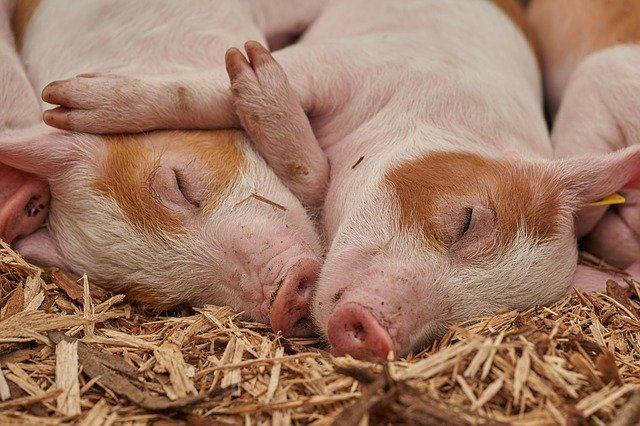
Move over salmon, here come genetically modified pigs. In December, the US Food and Drug Administration approved the use of genetically engineered pigs in both food and medical products. These so-called GalSafe pigs are just the second GM animal approved for food after AquAdvantage salmon, which grow to market weight in about half the time of a typical salmon. In a process known as intentional genomic alteration (IGA), GalSafe pigs have had alpha-gal sugar removed from their cells. This means that people who normally suffer allergic reactions to the sugar in pork, beef and other meats would be able to safely consume bacon, chops and other pork products. But the potential of GalSafe pigs goes well beyond food.

The pigs may also be used to produce human medical products free from alpha-gal sugars, including the blood-thinning drug heparin. The FDA said that tissues and organs form the pigs could also “potentially address the issue of immune rejection in patients receiving xenotransplants, as alpha-gal sugar is believed to be a cause of rejection in patients.”

“Today’s first ever approval of an animal biotechnology product for both food and as a potential source for biomedical use represents a tremendous milestone for scientific innovation,” FDA Commissioner Stephen M. Hahn said in a press release. “As part of our public health mission, the FDA strongly supports advancing innovative animal biotechnology products that are safe for animals, safe for people, and achieve their intended results. Today’s action underscores the success of the FDA in modernizing our scientific processes to optimize a risk-based approach that advances cutting-edge innovations in which consumers can have confidence.”

3. Second Green Revolution

New research shows the potential for genome editing to revolutionize agriculture and usher in a second Green Revolution by allowing plant breeding to be performed at an unprecedented pace and in an efficient and cost-effective way. This is expected to propel plant breeding to go beyond its current limits. As the technology rapidly expands, it has been applied to major cereals such as rice, wheat and maize, as well as to other crops important for food security, such as potato and cassava. Another exciting frontier can be found in engineering the microbiome, which is considered to be a “second genome” in plants. This approach has already had a significant effect on agricultural production, researchers found.

Genome editing is predicted to help plant breeders develop crops that can withstand the impacts of climate change, reduce agriculture’s environmental impact, support global food security, offer nutritional benefits and ensure that the planet’s expanding human and livestock population has enough to eat.

4. Latin America leads

Researchers in Latin America are using gene editing to breed hardier varieties of staple crops and fruits, including rice, beans, cassava, cacao, tomato, kiwi, yeast and banana. The work ranges from making the crops climate-resilient to improving the digestibility of beans and conferring disease-resistance. Researchers say the work is important because farmers urgently need seeds that can withstand the climate change effects already present in the Latin American region. It’s also critical because it represents the role that researchers in the Global South will increasingly play to address the needs and challenges specific to their region.

5. Catering to consumers

A Japanese startup, Sanatech Seeds, has introduced the first genome-edited tomato, which offers high levels of Gamma-AminoButyric Acid (GABA). That’s an amino acid that can help to lower blood pressure.

It is one of the emerging gene-edited crops directed specifically at consumers, rather than farmers or food processors. Equally important, Japan has determined it will not apply the same cumbersome regulations that govern genetically modified crops to the tomato. This is important, because GMO regulations can add years and extensive costs to the approval process, slowing down innovation and making it difficult for start-ups and public institutions to compete against multinational companies. The United States plans to take a similar approach to regulating gene edited crops. That’s good news for consumers and a company like Pairwise, which is using genome editing to develop seedless berries and more nutritious berries and lettuce. Their goal is a worthy one: increase consumption of fruits and vegetables and make them more readily available.

As CRISPR, with its many applications, finds widespread appeal, private companies and public institutions are increasingly making gene editing part of their plant breeding toolbox. As they add traits that appeal to consumers, help plants withstand climate impacts and support the global food supply, their products are likely to gain even greater public acceptance. The only question now is whether entities like the European Union will join the gene revolution or restrict it through the use of outmoded regulations that not only hinder innovation but contribute to carbon emissions.

BY JUSTIN CREMER AND JOAN CONROW

O artigo foi publicado originalmente em Cornell Alliance for Science.

Imprimir Artigo
Publicação Anterior

àterra podcast – Episódio 1 – Glossário Agrícola

Próxima Publicação

Ageing of Europe’s farmers remains a major challenge in rural areas

Artigos Relacionados

Últimas

AIGP: fracasso ou sucesso?

30/09/2026
Nacional

PCP diz que apoio excecional para o Douro é desadequado e desperdiça uvas

30/09/2026
unac
Últimas

“Pinhão de Alcácer” poderá vir a ter Indicação Geográfica Protegida (IGP)

30/09/2026
Próxima Publicação
european commission

Ageing of Europe’s farmers remains a major challenge in rural areas

Discussão sobre este post

Opinião

Últimas

AIGP: fracasso ou sucesso?

por José Martino
30/09/2026

Ler maisDetails
Últimas

Microrganismos ao serviço de uma agricultura mais sustentável

por Afonso Pereira da Silva
27/09/2026

Ler maisDetails

Subscrever as nossas newsletteres

Subscrever as nossas Newsletters Agroportal

Verifique na sua caixa de correio ou na pasta de spam para confirmar a sua subscrição.

Comunicados

unac

“Pinhão de Alcácer” poderá vir a ter Indicação Geográfica Protegida (IGP)

30/09/2026
IFAP

IFAP: Pagamentos setembro 2026

30/09/2026
Advertisement

Temas em destaque

Candidaturas PU Global Agri Forum 2026 Guerra Médio Oriente Mercosul ovibeja PAC pós 2027 Simplificação PAC Temporais vinho Água que Une

Eventos

Outubro 2026
STQQSSD
    1 2 3 4
5 6 7 8 9 10 11
12 13 14 15 16 17 18
19 20 21 22 23 24 25
26 27 28 29 30 31  
« Set   Nov »

Sobre Nós

O Agroportal.pt é uma plataforma de informação digital que reúne a informação relevante sobre agricultura. Tem um foco na Política Agrícola Comum e a sua aplicação em Portugal.

Menu

  • Quem somos
  • Relatórios anuais
  • Envie-nos informação
  • Publicidade
  • Newsletters
  • Estatuto Editorial
  • Ficha técnica
  • Proteção de Dados Pessoais
  • Disclaimer
Facebook twitter Circle Instagram Rss Feed

© Agroportal. All Rights reserved.

Bem-Vindo De Volta!

Sign In with Facebook
Sign In with Google
OR

Faça login na sua conta abaixo

Esqueceu-se da senha? Registar

Criar Uma Nova Conta!

Sign Up with Facebook
Sign Up with Google
OR

Preencha os campos abaixo para se registar

* Ao se registar-se no nosso site, você concorda com os Termos e Condições e a Política de Privacidade .
Todos os campos são necessários. Entrar

Obter a sua senha

Indique por favor o seu nome de utilizador ou endereço de E-mail para repor a sua senha.

Entrar
  • Login
  • Registar
Sem Resultado
Ver Todos Os Resultados
  • Sugeridas
  • Notícias
    • Nacional
    • Internacional
    • Comunicados
  • Opinião
  • Eventos
  • Dossiers
    • Agricultura Biológica
    • Apoios
    • Artigos Técnicos
    • Biossoluções
    • Cadeia Alimentar
    • Fertilizantes
    • Financiamento
    • Fitofarmacêuticos
    • Florestas
    • Futuro da PAC
    • Inovação
    • Mercados e Cotações agrícolas
    • Newsletters e Revistas
    • Recomendações Agroflorestais
    • Seguros agrícolas
  • Serviços
    • Diretório
    • Emprego
    • Máquinas Agrícolas
    • Meteorologia
    • Terrenos Agrícolas
    • Arquivo Agroportal

© Agroportal. All Rights reserved.

Este site usa cookies. Ao continuar a utilizar este site, está a dar consentimento à utilização de cookies. Visite a nossa Política de Protecção de dados e Cookies.