


















Sem Resultado
Ver Todos Os Resultados
Newsletters
Agroportal
  • Login
  • Registar
  • Sugeridas
  • Notícias
    • Notícias
    • Nacional
    • Internacional
    • Comunicados

    FNA 26: O Ponto de Encontro do Sector Agrícola

    Reunião da Comissão de Agricultura e Pescas – 28 de maio

    Cabaz alimentar desce pela terceira semana consecutiva, mas custa mais 70 euros do que em 2022

    bgi eit food

    A BGI, representante do EIT Food em Portugal, lança 4ª edição do Agrifood Disruptor com candidaturas abertas até 30 de junho

    Cabaz alimentar desce para 257,33 euros – Deco Proteste

    Crédito Agrícola abre prémio à inovação rural

    Luís Montenegro bandeira portuguesa

    Incêndios: País tem mais de 1.500 operacionais no terreno desde 13 de abril – Montenegro

    Ambientalistas dizem que proteção do lobo pode estar em causa e apelam a ministra do Ambiente

    Miss Tata está de volta: Porbatata lança nova campanha de promoção com consumo de batata no máximo dos últimos seis anos

  • Opinião

    Barragens Não Resolvem Desertificação; Resolvem Estatística

    Água, agricultura e adaptação climática no Algarve: estamos a escolher as soluções certas?

    Manuel Chaveiro Soares

    Importa criar condições para melhorar a competitivade agrícola

    António Covas

    O mundo agro rural, entre o bio produtivismo e o pós-produtivismo

    Valorizar o azeite português: um desígnio coletivo para o futuro

    Apoios ao Investimento Agrícola: Permanentes, Estruturados e sem Ilusões

    A Falácia das Taxas: Quem paga aos agricultores pelo carbono que sequestram?

    PARCA: da coragem inicial à impotência institucional

    João Dinis

    Pastores e queijo da serra

  • Eventos
  • Dossiers

    Dossiers I

    • Agricultura Biológica
    • Apoios
    • Artigos Técnicos
    • Biossoluções
    • Cadeia Alimentar
    • Fertilizantes
    • Financiamento
    • Fitofarmacêuticos

    Dossiers II

    • Florestas
    • Futuro da PAC
    • Inovação
    • Mercados
    • Newsletters e Revistas
    • Recomendações Agroflorestais
    • Seguros

    Últimas

    Cabaz alimentar desce pela terceira semana consecutiva, mas custa mais 70 euros do que em 2022

    27/05/2026

    Cabaz alimentar desce para 257,33 euros – Deco Proteste

    27/05/2026

    Governo autoriza GNR a acoplar câmaras a drones de vigilância de fogos

    27/05/2026

    Portugal será um dos palcos para o lançamento da nova cabeça processadora Ponsse Dh7 para corte de eucalipto

    27/05/2026

    Bolieiro considera “insano” Açores serem excluídos dos apoios da República para agricultura

    27/05/2026

    Lousã está a limpar vias florestais

    27/05/2026
  • Serviços
    • Diretório
    • Emprego
    • Máquinas Agrícolas
    • Meteorologia
    • Terrenos Agrícolas
    • Arquivo Agroportal
Agroportal
  • Sugeridas
  • Notícias
    • Notícias
    • Nacional
    • Internacional
    • Comunicados

    FNA 26: O Ponto de Encontro do Sector Agrícola

    Reunião da Comissão de Agricultura e Pescas – 28 de maio

    Cabaz alimentar desce pela terceira semana consecutiva, mas custa mais 70 euros do que em 2022

    bgi eit food

    A BGI, representante do EIT Food em Portugal, lança 4ª edição do Agrifood Disruptor com candidaturas abertas até 30 de junho

    Cabaz alimentar desce para 257,33 euros – Deco Proteste

    Crédito Agrícola abre prémio à inovação rural

    Luís Montenegro bandeira portuguesa

    Incêndios: País tem mais de 1.500 operacionais no terreno desde 13 de abril – Montenegro

    Ambientalistas dizem que proteção do lobo pode estar em causa e apelam a ministra do Ambiente

    Miss Tata está de volta: Porbatata lança nova campanha de promoção com consumo de batata no máximo dos últimos seis anos

  • Opinião

    Barragens Não Resolvem Desertificação; Resolvem Estatística

    Água, agricultura e adaptação climática no Algarve: estamos a escolher as soluções certas?

    Manuel Chaveiro Soares

    Importa criar condições para melhorar a competitivade agrícola

    António Covas

    O mundo agro rural, entre o bio produtivismo e o pós-produtivismo

    Valorizar o azeite português: um desígnio coletivo para o futuro

    Apoios ao Investimento Agrícola: Permanentes, Estruturados e sem Ilusões

    A Falácia das Taxas: Quem paga aos agricultores pelo carbono que sequestram?

    PARCA: da coragem inicial à impotência institucional

    João Dinis

    Pastores e queijo da serra

  • Eventos
  • Dossiers

    Dossiers I

    • Agricultura Biológica
    • Apoios
    • Artigos Técnicos
    • Biossoluções
    • Cadeia Alimentar
    • Fertilizantes
    • Financiamento
    • Fitofarmacêuticos

    Dossiers II

    • Florestas
    • Futuro da PAC
    • Inovação
    • Mercados
    • Newsletters e Revistas
    • Recomendações Agroflorestais
    • Seguros

    Últimas

    Cabaz alimentar desce pela terceira semana consecutiva, mas custa mais 70 euros do que em 2022

    27/05/2026

    Cabaz alimentar desce para 257,33 euros – Deco Proteste

    27/05/2026

    Governo autoriza GNR a acoplar câmaras a drones de vigilância de fogos

    27/05/2026

    Portugal será um dos palcos para o lançamento da nova cabeça processadora Ponsse Dh7 para corte de eucalipto

    27/05/2026

    Bolieiro considera “insano” Açores serem excluídos dos apoios da República para agricultura

    27/05/2026

    Lousã está a limpar vias florestais

    27/05/2026
  • Serviços
    • Diretório
    • Emprego
    • Máquinas Agrícolas
    • Meteorologia
    • Terrenos Agrícolas
    • Arquivo Agroportal
Sem Resultado
Ver Todos Os Resultados
Agroportal
european commission

Plant Health: prioritising the fight against 20 quarantine plant pests on the EU territory

por Agroportal
11-10-2019 | 12:48
em Últimas, Internacional, Comunicados
Tempo De Leitura: 5 mins
A A
Partilhe no FacebookPartilhe no TwitterEnviar para o WhatsappEnviar para o TelegramEnviar para o LinkedIn

[Fonte: EU Science Hub] Following a new methodology, the JRC assessed a list of quarantine pests for their potential economic, social and environmental impact on EU agriculture and forestry.

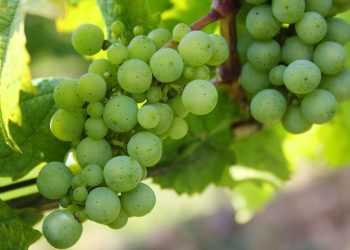
The bacterium Xylella fastidiosa affecting olive trees, almond, grapevine among other important crops, as well as the Japanese beetle, Citrus Black Spot, Citrus greening and the Asian long-horned beetle are among the top ranking pests affecting plant health in Europe.

This ranking has helped the Commission to list 20 quarantine pests as priority pests. The list is published today.

In the last years outbreaks of several plant pests new to the Union territory have been damaging the European crops and trees.

For example, the bacterium Xylella fastidiosa has been killing centenary olive trees in South of Italy, and the rising populations of the Japanese beetle (Popillia japonica) have been causing an important damage in the fruit tree orchards.

Globalisation of travel and trade as well as climate change are among the main drivers of emerging plant health risks.

Tibor Navracsics, Commissioner for Education, Culture, Youth and Sport, responsible for the Joint Research Centre, said: “To effectively protect our plants and our citizens’ quality of life, we first need to capture the harmful impact of pests like the Japanese beetle or the citrus black spot on our economy, environment and society. Thanks to a new indicator designed by the Joint Research Centre, we can now estimate the harm caused by these pests across several dimensions, including less tangible ones, such as landscape and cultural heritage or biodiversity and ecosystems. This has enabled us to identify the 20 worst offenders we should focus our efforts on.”

Working in close collaboration with the European Food Safety Authority (EFSA), the JRC experts calculated potential impact of 28 quarantine plant pests such as insects, bacteria, nematodes and fungi.

On that basis, the European Commission has adopted under the new Plant Health Law a delegated act listing 20 pests as priority pests.

The inclusion of these pests in the EU priority pest list means obligations for member states regarding information campaigns, enhanced surveys, contingency plans, simulation plans and action plans for eradication.

Emilio Rodriguez Cerezo, deputy head of Economics of Agriculture unit in the JRC, and a co-author of the recently published JRC report, explains: “In general, the new methodology helps the Member States and responsible authorities to take decisions on how to best allocate their resources based on soundest scientific evidence available. We have designed a methodology to support policy makers and risk managers in ranking quarantine pests. Thanks to it we can now estimate the potential impact of quarantine pests on the economic, social and environmental domains. This tool integrates into a single indicator the estimations of production losses, impacts on trade, on employment and other socioeconomic indicators. But also we have created indicators for less tangible dimensions, such as impacts on recreation, landscape and cultural heritage and on biodiversity and ecosystem services.”

The new methodology shows for example that the bacterium Xylella fastidiosa, the pest with the highest impacts on agricultural crops, including fruit, has the potential of causing annual production losses of 5.5 billion euros, affecting 70% of the EU production value of older olive trees (over 30 years old), and 35% value of younger ones; 11% of citrus; 13% of almond and between 1-2% of grape production in a scenario of full spread across the entire EU.

This would put at risk nearly 300 000 jobs across Europe currently involved in that production.

In addition to direct impacts on production, pests have significant indirect effects on upstream or downstream economic sectors.

For example, full spread of the Asian long-horned beetle (Anoplophora glabripennis) could result in the direct loss of over 5% of the overall growing stock of several EU forestry tree species, such as alder, ash, beech, birch, elm, hornbeam, maple, plane tree, poplar, prunus, rowan tree or willow, valued at 24 billion euros, a loss that could imply an economic impact in the upstream forestry sector of 50 billion euros.

Impacts in the cultural and food heritage can also be high.

The Japanese beetle could cause losses on more than 80 products protected by EU quality labels.

As an example of environmental impacts indicator, the citrus long-horned beetle (Anoplophora chinensis) ranked first in terms of the potential number of plant species currently grown in the EU streets and parks that could be affected.

Background

Article 6(2) of Regulation (EU) 2016/2031 of the European Parliament and the Council on protective measures against pests of plants empowers the Commission to adopt delegated acts supplementing that regulation by establishing a list of the priority pests.

The delegated act was adopted by the Commission on 1 August 2019. A two month scrutiny period then followed during which neither Council nor Parliament raised objections.

Therefore the Regulation is now published and can enter into force.
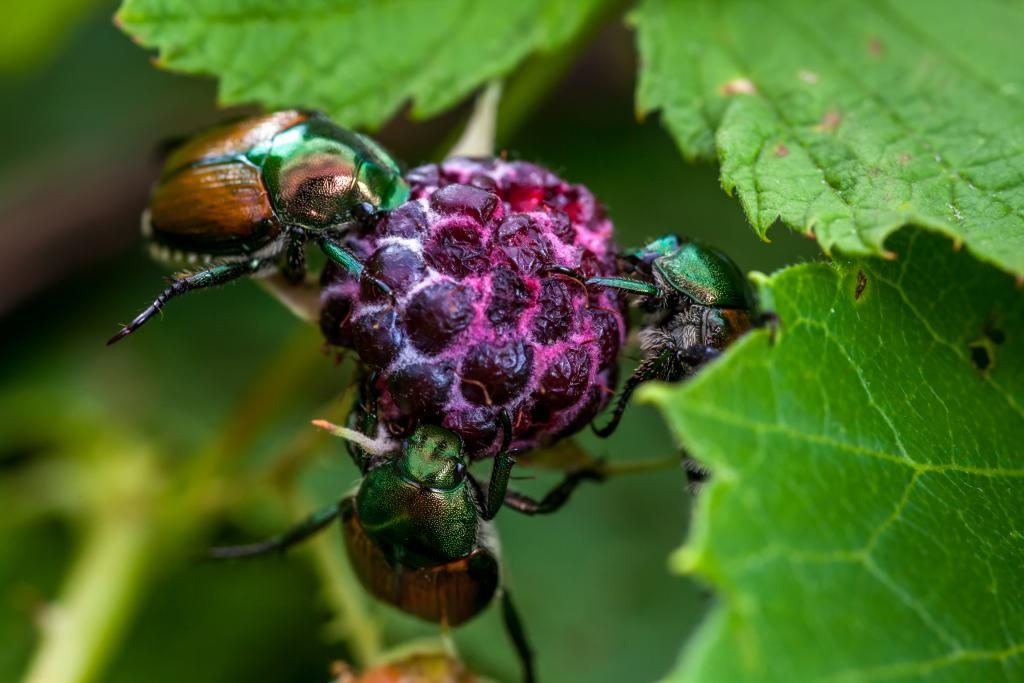
Japanese beetle is on the list of 20 quarantine plant pests on the EU territory published today. ©Philip Steury, AdobeStock

Imprimir Artigo
Publicação Anterior

Projetos relevantes e diferenciadores na região do Alentejo

Próxima Publicação

Herdade Maria da Guarda começa a exportar azeite para EUA este mês

Artigos Relacionados

Últimas

FNA 26: O Ponto de Encontro do Sector Agrícola

27/05/2026
Últimas

Reunião da Comissão de Agricultura e Pescas – 28 de maio

27/05/2026
Últimas

São Miguel volta a celebrar a Agricultura Na Escola

27/05/2026
Próxima Publicação
azeitonas

Herdade Maria da Guarda começa a exportar azeite para EUA este mês

Discussão sobre este post

Opinião

Últimas

Barragens Não Resolvem Desertificação; Resolvem Estatística

por Nuno Mamede Santos
24/05/2026

Ler mais
Últimas

Água, agricultura e adaptação climática no Algarve: estamos a escolher as soluções certas?

por Maria João Sacadura
17/05/2026

Ler mais

Subscrever as nossas newsletteres

Subscrever as nossas Newsletters Agroportal

Verifique na sua caixa de correio ou na pasta de spam para confirmar a sua subscrição.

Comunicados

FNA 26: O Ponto de Encontro do Sector Agrícola

27/05/2026

Reunião da Comissão de Agricultura e Pescas – 28 de maio

27/05/2026
Advertisement

Temas em destaque

Candidaturas PU Guerra Médio Oriente Mercosul ovibeja PAC pós 2027 Simplificação PAC Temporais vinho Água que Une

Eventos

Maio 2026
STQQSSD
     1 2 3
4 5 6 7 8 9 10
11 12 13 14 15 16 17
18 19 20 21 22 23 24
25 26 27 28 29 30 31
« Abr   Jun »

Sobre Nós

O Agroportal.pt é uma plataforma de informação digital que reúne a informação relevante sobre agricultura. Tem um foco na Política Agrícola Comum e a sua aplicação em Portugal.

Menu

  • Quem somos
  • Relatórios anuais
  • Envie-nos informação
  • Publicidade
  • Newsletters
  • Estatuto Editorial
  • Ficha técnica
  • Proteção de Dados Pessoais
  • Disclaimer
Facebook twitter Circle Instagram Rss Feed

© Agroportal. All Rights reserved.

  • Login
  • Registar
Sem Resultado
Ver Todos Os Resultados
  • Sugeridas
  • Notícias
    • Nacional
    • Internacional
    • Comunicados
  • Opinião
  • Eventos
  • Dossiers
    • Agricultura Biológica
    • Apoios
    • Artigos Técnicos
    • Biossoluções
    • Cadeia Alimentar
    • Fertilizantes
    • Financiamento
    • Fitofarmacêuticos
    • Florestas
    • Futuro da PAC
    • Inovação
    • Mercados e Cotações agrícolas
    • Newsletters e Revistas
    • Recomendações Agroflorestais
    • Seguros agrícolas
  • Serviços
    • Diretório
    • Emprego
    • Máquinas Agrícolas
    • Meteorologia
    • Terrenos Agrícolas
    • Arquivo Agroportal

© Agroportal. All Rights reserved.

Bem-Vindo De Volta!

Sign In with Facebook
Sign In with Google
OU

Faça login na sua conta abaixo

Esqueceu-se da senha? Registar

Criar Uma Nova Conta!

Sign Up with Facebook
Sign Up with Google
OU

Preencha os campos abaixo para se registar

* Ao se registar-se no nosso site, você concorda com os Termos e Condições e a Política de Privacidade .
Todos os campos são necessários. Entrar

Obter a sua senha

Indique por favor o seu nome de utilizador ou endereço de E-mail para repor a sua senha.

Entrar
Este site usa cookies. Ao continuar a utilizar este site, está a dar consentimento à utilização de cookies. Visite a nossa Política de Protecção de dados e Cookies.