















Sem Resultado
Ver Todos Os Resultados
Newsletters
Agroportal
  • Login
  • Registar
  • Sugeridas
  • Notícias
    • Notícias
    • Nacional
    • Internacional
    • Comunicados

    Os queijeiros franceses enfrentam uma ameaça crescente

    Já se encontra disponível a 16.ª edição do INFOBIO

    Riscos climáticos relacionados com incêndios não afetam perfis de crédito do setor bancário, diz DBRS

    leite

    Ministro da Agricultura assinala em Lousada 20 anos da ALIP

    Ministros do Comércio do G20 condenam uso de alimentos como forma de pressão

    arvores floresta céu

    Incêndios: Governante confiante numa floresta mais protegida no próximo verão

    Anteproposta de Orçamento dos Açores reduz verbas da agricultura em 2027 para 131ME

    Ministro de Agricultura e Primeiro Ministro

    Montenegro e 16 líderes da UE recusam mais cortes na coesão e agricultura no orçamento

    Produtores denunciam perda de competividade face a Espanha e exigem apoios

  • Opinião

    Estamos a exportar Portugal ou a desvalorizar o azeite português?

    AIGP: fracasso ou sucesso?

    Microrganismos ao serviço de uma agricultura mais sustentável

    O problema da floresta não é apenas florestal

    Solo: A Infraestrutura Invisível da Adaptação Climática

    Ibéria: a terra prometida a quem?

    O Impacto da agricultura regenerativa sobre os resultados económicos das explorações agrícolas

    Ibéria – a terra prometida

    O dia em que a Europa descobrir o elevado preço de não produzir

  • Eventos
  • Dossiers

    Dossiers I

    • Agricultura Biológica
    • Apoios
    • Artigos Técnicos
    • Biossoluções
    • Cadeia Alimentar
    • Fertilizantes
    • Financiamento
    • Fitofarmacêuticos

    Dossiers II

    • Florestas
    • Futuro da PAC
    • Inovação
    • Mercados
    • Newsletters e Revistas
    • Recomendações Agroflorestais
    • Seguros

    Últimas

    arvores floresta céu

    Incêndios: Governante confiante numa floresta mais protegida no próximo verão

    02/10/2026

    NTG | CRISPR permite modificar geneticamente uma planta forrageira e abre novas perspetivas para o melhoramento vegetal

    02/10/2026

    NTG | EPSO destaca o papel da ciência das plantas na estratégia europeia para a bioeconomia

    02/10/2026

    Governo prolonga apoios à apicultura com 3,3 milhões de euros

    02/10/2026

    Alterações climáticas | Girassóis mais resistentes à seca e ao calor estão a ser desenvolvidos na Europa

    02/10/2026

    Governo prolonga apoios à apicultura com novo concurso de 3,3 milhões de euros

    02/10/2026
  • Serviços
    • Diretório
    • Emprego
    • Máquinas Agrícolas
    • Meteorologia
    • Terrenos Agrícolas
    • Arquivo Agroportal
Agroportal
  • Sugeridas
  • Notícias
    • Notícias
    • Nacional
    • Internacional
    • Comunicados

    Os queijeiros franceses enfrentam uma ameaça crescente

    Já se encontra disponível a 16.ª edição do INFOBIO

    Riscos climáticos relacionados com incêndios não afetam perfis de crédito do setor bancário, diz DBRS

    leite

    Ministro da Agricultura assinala em Lousada 20 anos da ALIP

    Ministros do Comércio do G20 condenam uso de alimentos como forma de pressão

    arvores floresta céu

    Incêndios: Governante confiante numa floresta mais protegida no próximo verão

    Anteproposta de Orçamento dos Açores reduz verbas da agricultura em 2027 para 131ME

    Ministro de Agricultura e Primeiro Ministro

    Montenegro e 16 líderes da UE recusam mais cortes na coesão e agricultura no orçamento

    Produtores denunciam perda de competividade face a Espanha e exigem apoios

  • Opinião

    Estamos a exportar Portugal ou a desvalorizar o azeite português?

    AIGP: fracasso ou sucesso?

    Microrganismos ao serviço de uma agricultura mais sustentável

    O problema da floresta não é apenas florestal

    Solo: A Infraestrutura Invisível da Adaptação Climática

    Ibéria: a terra prometida a quem?

    O Impacto da agricultura regenerativa sobre os resultados económicos das explorações agrícolas

    Ibéria – a terra prometida

    O dia em que a Europa descobrir o elevado preço de não produzir

  • Eventos
  • Dossiers

    Dossiers I

    • Agricultura Biológica
    • Apoios
    • Artigos Técnicos
    • Biossoluções
    • Cadeia Alimentar
    • Fertilizantes
    • Financiamento
    • Fitofarmacêuticos

    Dossiers II

    • Florestas
    • Futuro da PAC
    • Inovação
    • Mercados
    • Newsletters e Revistas
    • Recomendações Agroflorestais
    • Seguros

    Últimas

    arvores floresta céu

    Incêndios: Governante confiante numa floresta mais protegida no próximo verão

    02/10/2026

    NTG | CRISPR permite modificar geneticamente uma planta forrageira e abre novas perspetivas para o melhoramento vegetal

    02/10/2026

    NTG | EPSO destaca o papel da ciência das plantas na estratégia europeia para a bioeconomia

    02/10/2026

    Governo prolonga apoios à apicultura com 3,3 milhões de euros

    02/10/2026

    Alterações climáticas | Girassóis mais resistentes à seca e ao calor estão a ser desenvolvidos na Europa

    02/10/2026

    Governo prolonga apoios à apicultura com novo concurso de 3,3 milhões de euros

    02/10/2026
  • Serviços
    • Diretório
    • Emprego
    • Máquinas Agrícolas
    • Meteorologia
    • Terrenos Agrícolas
    • Arquivo Agroportal
Sem Resultado
Ver Todos Os Resultados
Agroportal
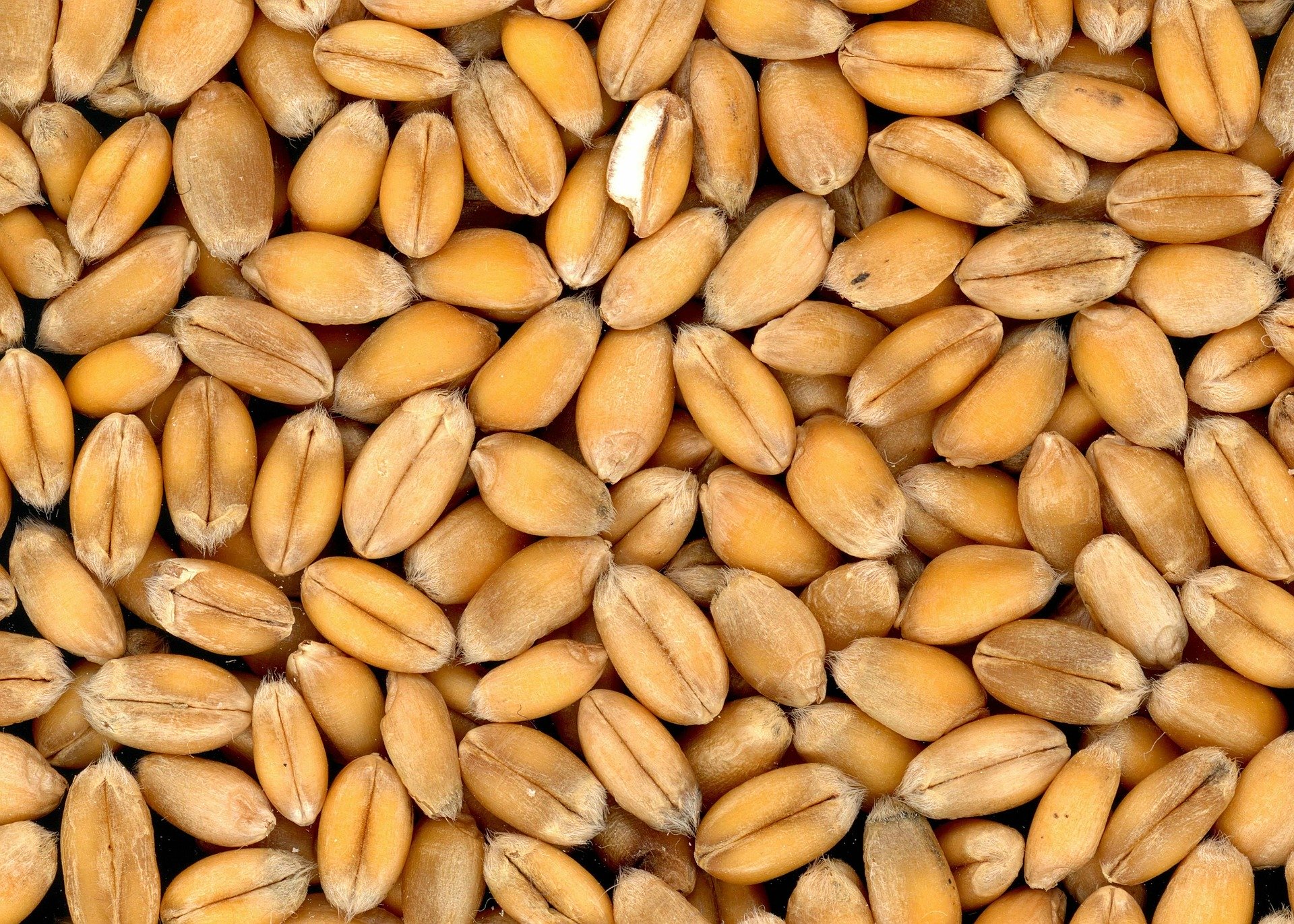
trigo

Untapped genetic potential means wheat yields only 60% of what they could be

por Agroportal
13-12-2019 | 12:15
em Últimas, Internacional, Notícias inovação, Inovação, Dossiers
Tempo De Leitura: 4 mins
A A
Partilhe no FacebookPartilhe no TwitterEnviar para o WhatsappEnviar para o TelegramEnviar para o LinkedIn

[Fonte: Rothamsted Research] Study shows after 11,000 years of wheat breeding, we’ve still got a long way to go

European wheat harvests could be increased by more than 5 tonnes a hectare according to newly published research into the crop’s untapped genetic potential.

The first of its kind study from Rothamsted Research shows that in some European countries the grain yield could be increased by up to 90% when compared to typical harvests from today’s commonly used varieties.

Yields in the UK could be increased by half as much again.

The authors say, if achieved, such improvements would go a long way to feeding the growing world population and would reduce pressure to convert wild habitats to farmland.

Using existing data on the contribution of different genes to individual plant traits such as size, shape, metabolism and growth, the researchers ran simulations to create ‘perfect’ wheat plants that were tailored to each region.

When compared to the performance of locally adapted cultivars, in all cases they found wheat varieties were underperforming for grain yield, with an obvious ‘genetic yield gap’ between reality and possibility.

The scientists behind the study define a crop’s ‘genetic yield potential’ as the highest yield achievable by an idealised variety – in other words, a plant with a genome that allows it to capture water, sunlight and nutrients more efficiently than any other.

Lead researcher Dr Mikhail Semenov said: “Improving genetic yield potential and closing the genetic yield gap are important to achieve global food security. Europe is the largest wheat producer, delivering more than a third of wheat globally, but European wheat’s yield potential from genetic improvements has not yet been realised.”

Dr Semenov and colleague, Dr Nimai Senapati, looked at six locally adapted wheat cultivars at 13 sites across the continent, representing the major and contrasting wheat growing regions in Europe – from Spain in the south to Denmark in the north, and Hungary in the east to the UK in the west.

Using a computer model called Sirius, they ran millions of simulations, which demonstrated that many of the wheat traits that contribute to the amount of grain produced were well below their optimums.

Simulations were based on extensive data on the natural genetic variation underpinning key plant traits. These included tolerance and response to drought and heat stresses, the size and orientation of the light-capturing upper leaves, and the timing of key life cycle events.

Published in the journal Global Food Security, the results show that if their genomes were ‘fine-tuned’ to their environments, that wheat plants potentially produce up to 15 tonnes of grain per hectare, with the idealised average 5.2 tonnes per hectare greater than the current average.

“In other words, despite intensive wheat breeding efforts, current local cultivars were found to be far from the achievable optimum, meaning that a large genetic yield gap still exists for European wheat,” commented Prof Malcolm Hawkesford, who heads up the Plant Sciences Department at Rothamsted.

Wheat was first domesticated about 11,000 years ago, but despite this – and not to mention the sequencing of its entire genome in 2018 – the crop is still some way from being at its ‘genetic best’.

However, Dr Semenov is still optimistic wheat yields can be improved.

He said: “A vast natural genetic variation exists for different traits in wheat.  In the last few decades substantial progress has been made in identifying the genes associated with key traits for wheat improvement and adaptation.

“At the same time, modern plant breeding technology has advanced, including gene mapping, molecular marker-assisted breeding, genomics-assisted breeding and gene editing. These genetic resources and technical advances therefore provide opportunities to develop well adapted, climate smart, wheat cultivars for future climates.”

Wheat is one of the key staple crops for global food security, providing about 20% of total dietary calories and protein, and Europe is a major wheat producer, contributing around 35% of global wheat production.

It has been predicted that global food production needs to increase by about 70% by 2050 to feed an estimated 9 billion people.

Large genetic yield potential and genetic yield gap estimated for wheat in Europe

Imprimir Artigo
Publicação Anterior

Contas Económicas da Agricultura 2019 (CEA) – 1.ª estimativa: Rendimento da Atividade Agrícola deverá aumentar 5,8%

Próxima Publicação

Projetos à Mostra: Desenvolvimento Local de Base Comunitária na Região Saloia

Artigos Relacionados

Últimas

Estamos a exportar Portugal ou a desvalorizar o azeite português?

04/10/2026
Internacional

Os queijeiros franceses enfrentam uma ameaça crescente

03/10/2026
Últimas

Já se encontra disponível a 16.ª edição do INFOBIO

03/10/2026
Próxima Publicação

Projetos à Mostra: Desenvolvimento Local de Base Comunitária na Região Saloia

Discussão sobre este post

Opinião

Últimas

Estamos a exportar Portugal ou a desvalorizar o azeite português?

por Francisco António Vilela Ribeiro
04/10/2026

Ler maisDetails
Últimas

AIGP: fracasso ou sucesso?

por José Martino
30/09/2026

Ler maisDetails

Subscrever as nossas newsletteres

Subscrever as nossas Newsletters Agroportal

Verifique na sua caixa de correio ou na pasta de spam para confirmar a sua subscrição.

Comunicados

Já se encontra disponível a 16.ª edição do INFOBIO

03/10/2026
Corteva

Corteva inicia um novo capítulo como líder global de proteção das culturas, focada e orientada para a inovação

02/10/2026
Advertisement

Temas em destaque

Candidaturas PU Global Agri Forum 2026 Guerra Médio Oriente Mercosul ovibeja PAC pós 2027 Simplificação PAC Temporais vinho Água que Une

Eventos

Outubro 2026
STQQSSD
    1 2 3 4
5 6 7 8 9 10 11
12 13 14 15 16 17 18
19 20 21 22 23 24 25
26 27 28 29 30 31  
« Set   Nov »

Sobre Nós

O Agroportal.pt é uma plataforma de informação digital que reúne a informação relevante sobre agricultura. Tem um foco na Política Agrícola Comum e a sua aplicação em Portugal.

Menu

  • Quem somos
  • Relatórios anuais
  • Envie-nos informação
  • Publicidade
  • Newsletters
  • Estatuto Editorial
  • Ficha técnica
  • Proteção de Dados Pessoais
  • Disclaimer
Facebook twitter Circle Instagram Rss Feed

© Agroportal. All Rights reserved.

Bem-Vindo De Volta!

Sign In with Facebook
Sign In with Google
OR

Faça login na sua conta abaixo

Esqueceu-se da senha? Registar

Criar Uma Nova Conta!

Sign Up with Facebook
Sign Up with Google
OR

Preencha os campos abaixo para se registar

* Ao se registar-se no nosso site, você concorda com os Termos e Condições e a Política de Privacidade .
Todos os campos são necessários. Entrar

Obter a sua senha

Indique por favor o seu nome de utilizador ou endereço de E-mail para repor a sua senha.

Entrar
  • Login
  • Registar
Sem Resultado
Ver Todos Os Resultados
  • Sugeridas
  • Notícias
    • Nacional
    • Internacional
    • Comunicados
  • Opinião
  • Eventos
  • Dossiers
    • Agricultura Biológica
    • Apoios
    • Artigos Técnicos
    • Biossoluções
    • Cadeia Alimentar
    • Fertilizantes
    • Financiamento
    • Fitofarmacêuticos
    • Florestas
    • Futuro da PAC
    • Inovação
    • Mercados e Cotações agrícolas
    • Newsletters e Revistas
    • Recomendações Agroflorestais
    • Seguros agrícolas
  • Serviços
    • Diretório
    • Emprego
    • Máquinas Agrícolas
    • Meteorologia
    • Terrenos Agrícolas
    • Arquivo Agroportal

© Agroportal. All Rights reserved.

Este site usa cookies. Ao continuar a utilizar este site, está a dar consentimento à utilização de cookies. Visite a nossa Política de Protecção de dados e Cookies.