
















Sem Resultado
Ver Todos Os Resultados
Newsletters
Agroportal
  • Login
  • Registar
  • Sugeridas
  • Notícias
    • Notícias
    • Nacional
    • Internacional
    • Comunicados

    Incêndios obrigam à evacuação da zona hoteleira do Aeroporto de Bordéus

    Incêndios: Fogo na região de Madrid em estabilização, 30 aviões mobilizados para Valência

    A terra que nos sustenta: cinco compromissos para a agricultura portuguesa

    Incêndios: Portugal continental em perigo máximo ou muito elevado

    Produtores exigem aumento do valor pago pela banana da Madeira em pelo menos 40 cêntimos

    fogo chamas armazém

    Incêndios: Fogo em Ávila é o maior da história recente de Espanha – ministra

    Incêndios: Fogos de sexta geração serão cada vez mais frequentes – especialista

    Galiza recupera as “vacas-cabra” para controlar vegetação que arde nos incêndios

    As cabras de Luís Carlos estão a fazer “um trabalho do caraças” na prevenção de fogos no Corno do Bico

  • Opinião

    Azeites de Portugal: tratar diferente o que é diferente

    Manuel Chaveiro Soares

    Sobre a excelência da alimentação em Portugal

    Produzir bem já não chega: eficiência, estratégia e os desafios da engorda de bovinos

    Segurança Alimentar Europeia Como Ativo Estratégico

    Sabemos distinguir um frango do campo. Porque não conseguimos distinguir um Azeite de Olival Tradicional?

    Carlos Neves

    Promoções que despromovem a produção de leite de Portugal

    Georgete Felix

    O balanço invisível da agricultura

    Acordo UE-Mercosul

    Manuel Chaveiro Soares

    Melhoramento genético dos frangos de carne: importância para os consumidores e o ambiente

  • Eventos
  • Dossiers

    Dossiers I

    • Agricultura Biológica
    • Apoios
    • Artigos Técnicos
    • Biossoluções
    • Cadeia Alimentar
    • Fertilizantes
    • Financiamento
    • Fitofarmacêuticos

    Dossiers II

    • Florestas
    • Futuro da PAC
    • Inovação
    • Mercados
    • Newsletters e Revistas
    • Recomendações Agroflorestais
    • Seguros

    Últimas

    Corderos: se moderan los descensos en los precios

    26/07/2026

    Vacuno: los precios ya se sitúan por debajo del año pasado

    26/07/2026

    Porcino de capa blanca: se reducen los recortes en los precios

    26/07/2026

    Almendras: sin cambios en las cotizaciones

    25/07/2026

    Cotações – Bovinos – 13 a 19 de julho de 2026

    24/07/2026

    Cotações – Ovinos e Caprinos – 13 a 19 de julho de 2026

    24/07/2026
  • Serviços
    • Diretório
    • Emprego
    • Máquinas Agrícolas
    • Meteorologia
    • Terrenos Agrícolas
    • Arquivo Agroportal
Agroportal
  • Sugeridas
  • Notícias
    • Notícias
    • Nacional
    • Internacional
    • Comunicados

    Incêndios obrigam à evacuação da zona hoteleira do Aeroporto de Bordéus

    Incêndios: Fogo na região de Madrid em estabilização, 30 aviões mobilizados para Valência

    A terra que nos sustenta: cinco compromissos para a agricultura portuguesa

    Incêndios: Portugal continental em perigo máximo ou muito elevado

    Produtores exigem aumento do valor pago pela banana da Madeira em pelo menos 40 cêntimos

    fogo chamas armazém

    Incêndios: Fogo em Ávila é o maior da história recente de Espanha – ministra

    Incêndios: Fogos de sexta geração serão cada vez mais frequentes – especialista

    Galiza recupera as “vacas-cabra” para controlar vegetação que arde nos incêndios

    As cabras de Luís Carlos estão a fazer “um trabalho do caraças” na prevenção de fogos no Corno do Bico

  • Opinião

    Azeites de Portugal: tratar diferente o que é diferente

    Manuel Chaveiro Soares

    Sobre a excelência da alimentação em Portugal

    Produzir bem já não chega: eficiência, estratégia e os desafios da engorda de bovinos

    Segurança Alimentar Europeia Como Ativo Estratégico

    Sabemos distinguir um frango do campo. Porque não conseguimos distinguir um Azeite de Olival Tradicional?

    Carlos Neves

    Promoções que despromovem a produção de leite de Portugal

    Georgete Felix

    O balanço invisível da agricultura

    Acordo UE-Mercosul

    Manuel Chaveiro Soares

    Melhoramento genético dos frangos de carne: importância para os consumidores e o ambiente

  • Eventos
  • Dossiers

    Dossiers I

    • Agricultura Biológica
    • Apoios
    • Artigos Técnicos
    • Biossoluções
    • Cadeia Alimentar
    • Fertilizantes
    • Financiamento
    • Fitofarmacêuticos

    Dossiers II

    • Florestas
    • Futuro da PAC
    • Inovação
    • Mercados
    • Newsletters e Revistas
    • Recomendações Agroflorestais
    • Seguros

    Últimas

    Corderos: se moderan los descensos en los precios

    26/07/2026

    Vacuno: los precios ya se sitúan por debajo del año pasado

    26/07/2026

    Porcino de capa blanca: se reducen los recortes en los precios

    26/07/2026

    Almendras: sin cambios en las cotizaciones

    25/07/2026

    Cotações – Bovinos – 13 a 19 de julho de 2026

    24/07/2026

    Cotações – Ovinos e Caprinos – 13 a 19 de julho de 2026

    24/07/2026
  • Serviços
    • Diretório
    • Emprego
    • Máquinas Agrícolas
    • Meteorologia
    • Terrenos Agrícolas
    • Arquivo Agroportal
Sem Resultado
Ver Todos Os Resultados
Agroportal
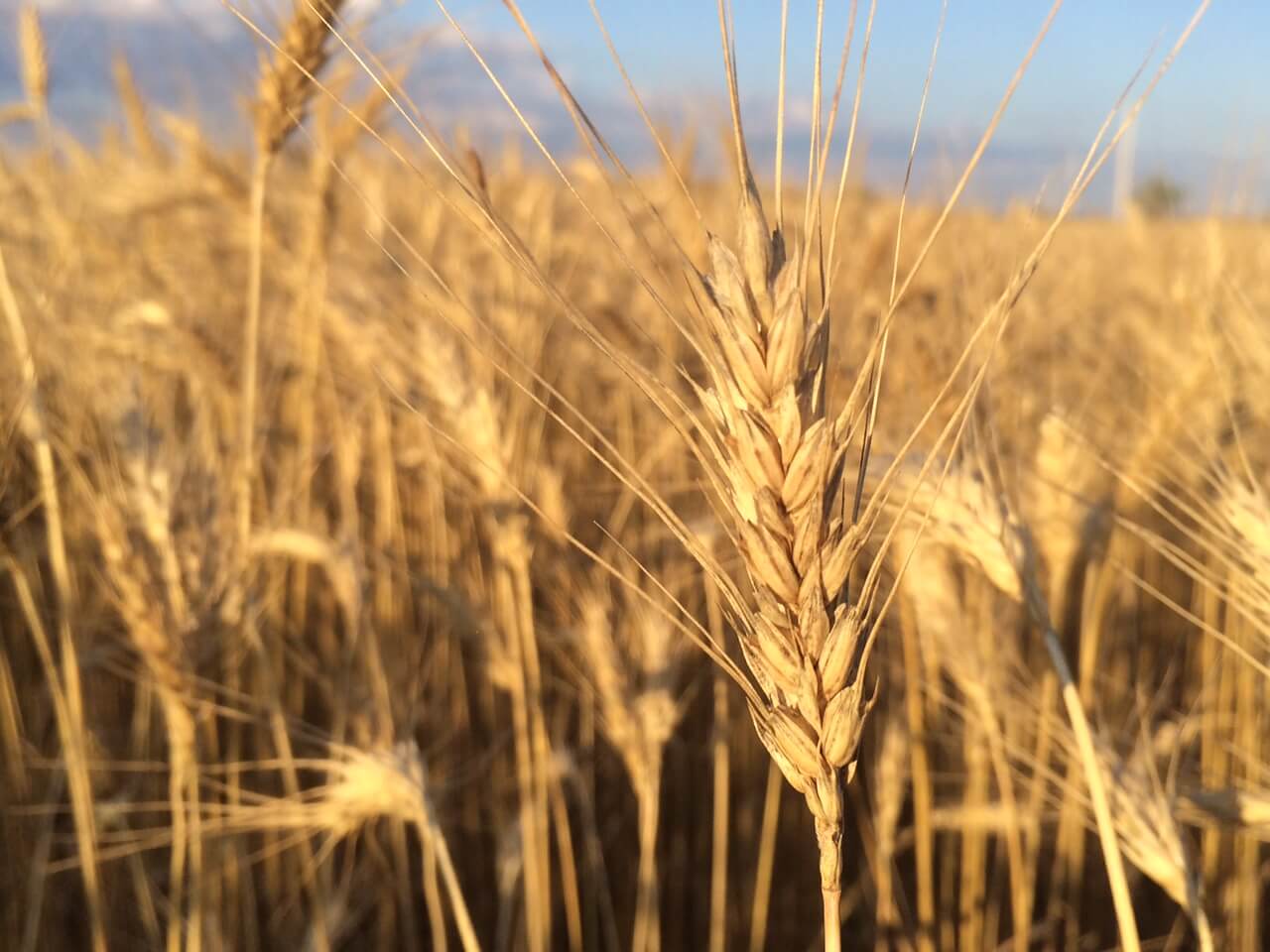
trigo

Image: Alberta Wheat Commission

Soil fungi turn struggling wheat into ‘climate-smart’ crop with boosted nutrient uptake in new study

por Genetic Literacy Project
29-10-2019 | 13:18
em Últimas, Internacional
Tempo De Leitura: 5 mins
A A
Partilhe no FacebookPartilhe no TwitterEnviar para o WhatsappEnviar para o TelegramEnviar para o LinkedIn

[Fonte: GLP] Introducing fungi to wheat boosted their uptake of key nutrients and could lead to new, ‘climate smart’ varieties of crops, according to a new study.

Researchers at the University of Leeds have demonstrated a partnership between wheat and soil fungi that could be utilized to develop new food crops and farming systems which are less reliant on fertilizers, reducing their contribution to the escalating climate crisis.

It is the first time the fungi, which form partnerships with plant roots, have been shown to provide significant amounts of phosphorus and nitrogen to a cereal crop. The fungi continued to provide nutrients under higher levels of carbon dioxide (CO2) predicted for 2100, which has important implications for future food security.

The results were published …. in the journal Global Change Biology.

Lead researcher Professor Katie Field, from the University of Leeds’ School of Biology and Global Food and Environment Institute, said …. “These fungi are not a silver bullet for improving productivity of food crops, but they have the potential to help reduce our current overreliance on agricultural fertilizers.”

…

Ancient plant-fungi partnership

Most plants form partnerships with fungi in their root systems, known as arbuscular mycorrhizas, which enable them to draw nutrients from the soil more efficiently. In exchange, the plants provide carbohydrates to the fungi as a form of payment, known as a symbiosis.

Plants can give 10-20% of the carbon they draw from the air to their fungal partners, in exchange for up to 80% of their required phosphorus intake. These fungi can also help plants increase their growth, nitrogen levels, water uptake, and defend the plant against pests and disease.

But over the last 10,000 years, crop plants have been domesticated through intensive breeding, which has inadvertently stopped some varieties from having such close relationships with beneficial fungi.

Across the globe, wheat is a staple crop for billions, and wheat farming uses more land than any other food crop (218 million hectares in 2017). Despite increasing the application of nitrogen and phosphorus fertilizers to boost yields, the amount of wheat that can be produced from a given area has reached a plateau in recent years.

Whilst some varieties of the wheat grown by farmers form these partnerships with beneficial fungi, many do not. The Leeds researchers therefore suggest there is potential to develop new varieties of wheat that are less dependent on fertilizers.

Sustainable food production

…

Scientists allowed the fungi to colonize the roots of three different varieties of wheat in the laboratory and grew them in one of two chambers — either mimicking current climatic conditions or those projected for 2100, when CO2 concentration in the atmosphere is predicted to be double that of today if emissions are not curbed. They wanted to know what benefits the different varieties could gain from their fungal partners and how the relationships would be affected by increasing atmospheric CO2.

By chemically tagging phosphorus and nitrogen in the soil and CO2 in the air, the researchers were able to demonstrate that the different varieties of wheat absorbed the nutrients through their fungal partners, in both climate scenarios.

As expected, the three varieties of wheat underwent different levels of exchange with the fungi, with some varieties gaining much more from the relationship than others for a similar carbohydrate ‘cost’.

In particular, the Skyfall variety of wheat took up far more phosphorus from the fungi compared to the other two varieties, acquiring 570 times more than the Avalon variety and 225 times more than Cadenza.

There was no difference in phosphorus or nitrogen exchange from the fungi to the wheat at the higher CO2 level for any of the three crop varieties. It therefore appears that the fungi can continue to transfer nutrients to the crop even under future climate conditions.

The researchers suggest it could be possible to breed new varieties of wheat which are more accommodating to a fungal partnership. This could allow farmers to use less fertilizer, as it may allow the wheat to get more of its required nutrients through the fungi.

There is ongoing discussion about whether fungi are a net positive or negative to the growth of cereal crops, as some evidence suggests fungi can act as parasites to their plant hosts.

It has previously been predicted that higher CO2 levels in the atmosphere will lead to fungi taking more carbon from their plant hosts, but this study found that not to be the case for these three varieties of wheat.

The researchers recommend that field-scale experiments are now needed to understand whether the fungi’s beneficial effects on wheat demonstrated in this study are replicated in a farm setting.

Read full, original article: Fungi could reduce reliance on fertilizers
Imprimir Artigo
Publicação Anterior

Boletim meteorológico para a agricultura – junho 2019

Próxima Publicação

Taste Azores conta com a participação de 26 empresas açorianas em Lisboa

Artigos Relacionados

Últimas

Já se encontra disponível a 11.ª edição do INFOBIO

27/07/2026
Internacional

Incêndios obrigam à evacuação da zona hoteleira do Aeroporto de Bordéus

27/07/2026
Últimas

Incêndios: Fogo na região de Madrid em estabilização, 30 aviões mobilizados para Valência

27/07/2026
Próxima Publicação

Taste Azores conta com a participação de 26 empresas açorianas em Lisboa

Discussão sobre este post

Opinião

Últimas

Azeites de Portugal: tratar diferente o que é diferente

por José Martino
26/07/2026

Ler maisDetails
Manuel Chaveiro Soares
Últimas

Sobre a excelência da alimentação em Portugal

por Manuel Chaveiro Soares
19/07/2026

Ler maisDetails

Subscrever as nossas newsletteres

Subscrever as nossas Newsletters Agroportal

Verifique na sua caixa de correio ou na pasta de spam para confirmar a sua subscrição.

Comunicados

Secretário Regional da Agricultura indisponível para reunir com a Associação Agrícola do Corvo durante a visita estatutária do Governo Regional à ilha

24/07/2026
ICNF

ICNF reabilita rede viária florestal da Mata Nacional da Machada – Barreiro

24/07/2026
Advertisement

Temas em destaque

Candidaturas PU Guerra Médio Oriente Mercosul ovibeja PAC pós 2027 Simplificação PAC Temporais vinho Água que Une

Eventos

Julho 2026
STQQSSD
   1 2 3 4 5
6 7 8 9 10 11 12
13 14 15 16 17 18 19
20 21 22 23 24 25 26
27 28 29 30 31   
« Jun   Ago »

Sobre Nós

O Agroportal.pt é uma plataforma de informação digital que reúne a informação relevante sobre agricultura. Tem um foco na Política Agrícola Comum e a sua aplicação em Portugal.

Menu

  • Quem somos
  • Relatórios anuais
  • Envie-nos informação
  • Publicidade
  • Newsletters
  • Estatuto Editorial
  • Ficha técnica
  • Proteção de Dados Pessoais
  • Disclaimer
Facebook twitter Circle Instagram Rss Feed

© Agroportal. All Rights reserved.

Bem-Vindo De Volta!

Sign In with Facebook
Sign In with Google
OR

Faça login na sua conta abaixo

Esqueceu-se da senha? Registar

Criar Uma Nova Conta!

Sign Up with Facebook
Sign Up with Google
OR

Preencha os campos abaixo para se registar

* Ao se registar-se no nosso site, você concorda com os Termos e Condições e a Política de Privacidade .
Todos os campos são necessários. Entrar

Obter a sua senha

Indique por favor o seu nome de utilizador ou endereço de E-mail para repor a sua senha.

Entrar
  • Login
  • Registar
Sem Resultado
Ver Todos Os Resultados
  • Sugeridas
  • Notícias
    • Nacional
    • Internacional
    • Comunicados
  • Opinião
  • Eventos
  • Dossiers
    • Agricultura Biológica
    • Apoios
    • Artigos Técnicos
    • Biossoluções
    • Cadeia Alimentar
    • Fertilizantes
    • Financiamento
    • Fitofarmacêuticos
    • Florestas
    • Futuro da PAC
    • Inovação
    • Mercados e Cotações agrícolas
    • Newsletters e Revistas
    • Recomendações Agroflorestais
    • Seguros agrícolas
  • Serviços
    • Diretório
    • Emprego
    • Máquinas Agrícolas
    • Meteorologia
    • Terrenos Agrícolas
    • Arquivo Agroportal

© Agroportal. All Rights reserved.

Este site usa cookies. Ao continuar a utilizar este site, está a dar consentimento à utilização de cookies. Visite a nossa Política de Protecção de dados e Cookies.