











Sem Resultado
Ver Todos Os Resultados
Newsletters
Agroportal
  • Login
  • Registar
  • Sugeridas
  • Notícias
    • Notícias
    • Nacional
    • Internacional
    • Comunicados
    água que une

    CAP afirma “intransigente exigência” quanto à execução da Água que Une

    reserva estratégica de água

    Governo: Água que Une com 1.000 ME em obras executas e lançadas

    FLOENE e CAP formalizam colaboração em prol dos agricultores e da transição energética em Portugal

    Risco de propagação da Dermatose Nodular Contagiosa preocupa setor em Portugal

    Governo fixa máximo de novas plantações de vinhas em 616 hectares

    Projeto de economia circular florestal açoriano financiado em 15,8 ME pela UE

    eBUPi lança GeoPortal

    42.ª Ovibeja dá a provar “todo o Alentejo deste Mundo”

    Ciências ULisboa e Zoomarine unem-se para proteger espécies fluviais ameaçadas

  • Opinião

    Pagar pelo “invisível” e o porquê da agricultura portuguesa não pode continuar a oferecer serviços ecológicos “de graça”?

    Quando a água é escassa, a agricultura é um “utilizador como os outros” … ou um setor estratégico que deve ter prioridade?

    Georgete Felix

    Risco climático, Agricultura e ESG

    A Política Agrícola (pouco!) Comum

    Agrovoltaico: quando a energia deixa de ser apenas custo e passa a ser também receita

    Abacate: uma cultura em forte afirmação nas agriculturas de Portugal

    Notas sobre a Sustentabilidade Operacional do PEPAC

    luis caixinhas

    Marca tridimensional ou desenho ou modelo: como proteger a forma dos produtos agroalimentares

    Francisco Avillez

    A Reforma da PAC pós-2027: breves reflexões sobre o orçamento proposto pela CE

  • Eventos
  • Dossiers

    Dossiers I

    • Agricultura Biológica
    • Apoios
    • Artigos Técnicos
    • Biossoluções
    • Cadeia Alimentar
    • Fertilizantes
    • Financiamento
    • Fitofarmacêuticos

    Dossiers II

    • Florestas
    • Futuro da PAC
    • Inovação
    • Mercados
    • Newsletters e Revistas
    • Recomendações Agroflorestais
    • Seguros

    Últimas

    A seguir a um choque petrolífero pode vir um choque alimentar por causa dos adubos

    07/03/2026

    Aceite de oliva: la escasa demanda empuja los precios a la baja

    07/03/2026

    Solo las almendras ecológicas recogen subidas en los precios

    07/03/2026

    Suplemento “AgroVida” – março de 2026

    06/03/2026

    NTG | CiB reúne com decisores políticos em Bruxelas para discutir legislação europeia sobre Novas Técnicas Genómicas

    06/03/2026

    Relatório semanal de acompanhamento dos mercados do setor da agricultura – 23 de fevereiro a 1 de março de 2026

    05/03/2026
  • Serviços
    • Diretório
    • Emprego
    • Máquinas Agrícolas
    • Meteorologia
    • Terrenos Agrícolas
    • Arquivo Agroportal
Agroportal
  • Sugeridas
  • Notícias
    • Notícias
    • Nacional
    • Internacional
    • Comunicados
    água que une

    CAP afirma “intransigente exigência” quanto à execução da Água que Une

    reserva estratégica de água

    Governo: Água que Une com 1.000 ME em obras executas e lançadas

    FLOENE e CAP formalizam colaboração em prol dos agricultores e da transição energética em Portugal

    Risco de propagação da Dermatose Nodular Contagiosa preocupa setor em Portugal

    Governo fixa máximo de novas plantações de vinhas em 616 hectares

    Projeto de economia circular florestal açoriano financiado em 15,8 ME pela UE

    eBUPi lança GeoPortal

    42.ª Ovibeja dá a provar “todo o Alentejo deste Mundo”

    Ciências ULisboa e Zoomarine unem-se para proteger espécies fluviais ameaçadas

  • Opinião

    Pagar pelo “invisível” e o porquê da agricultura portuguesa não pode continuar a oferecer serviços ecológicos “de graça”?

    Quando a água é escassa, a agricultura é um “utilizador como os outros” … ou um setor estratégico que deve ter prioridade?

    Georgete Felix

    Risco climático, Agricultura e ESG

    A Política Agrícola (pouco!) Comum

    Agrovoltaico: quando a energia deixa de ser apenas custo e passa a ser também receita

    Abacate: uma cultura em forte afirmação nas agriculturas de Portugal

    Notas sobre a Sustentabilidade Operacional do PEPAC

    luis caixinhas

    Marca tridimensional ou desenho ou modelo: como proteger a forma dos produtos agroalimentares

    Francisco Avillez

    A Reforma da PAC pós-2027: breves reflexões sobre o orçamento proposto pela CE

  • Eventos
  • Dossiers

    Dossiers I

    • Agricultura Biológica
    • Apoios
    • Artigos Técnicos
    • Biossoluções
    • Cadeia Alimentar
    • Fertilizantes
    • Financiamento
    • Fitofarmacêuticos

    Dossiers II

    • Florestas
    • Futuro da PAC
    • Inovação
    • Mercados
    • Newsletters e Revistas
    • Recomendações Agroflorestais
    • Seguros

    Últimas

    A seguir a um choque petrolífero pode vir um choque alimentar por causa dos adubos

    07/03/2026

    Aceite de oliva: la escasa demanda empuja los precios a la baja

    07/03/2026

    Solo las almendras ecológicas recogen subidas en los precios

    07/03/2026

    Suplemento “AgroVida” – março de 2026

    06/03/2026

    NTG | CiB reúne com decisores políticos em Bruxelas para discutir legislação europeia sobre Novas Técnicas Genómicas

    06/03/2026

    Relatório semanal de acompanhamento dos mercados do setor da agricultura – 23 de fevereiro a 1 de março de 2026

    05/03/2026
  • Serviços
    • Diretório
    • Emprego
    • Máquinas Agrícolas
    • Meteorologia
    • Terrenos Agrícolas
    • Arquivo Agroportal
Sem Resultado
Ver Todos Os Resultados
Agroportal

From mines to meadows: how science is reviving Europe’s forgotten landscapes

por Horizon - EU
02-12-2025 | 12:06
em Últimas, Internacional
Tempo De Leitura: 5 mins
A A
Partilhe no FacebookPartilhe no TwitterEnviar para o WhatsappEnviar para o TelegramEnviar para o LinkedIn

When Professor Alicja Krzemień set out to turn one of Poland’s largest coal-mining waste heaps into a thriving meadow, she faced an uphill battle.

Together with fellow researchers in an EU-funded collaboration called RECOVERY, her team revitalised the barren terrain at the Janina mine in Libiąż, southern Poland.

They applied soil substitutes, aiming to provide suitable structure, pH, nutrients and organic matter to support life. One of the first things they sowed was white mustard, as part of controlled tests to assess the effectiveness of the new soil mixtures.

“First, we waited for the white mustard to grow, to see if it germinates or not,” Krzemień recalled. “Then we saw that some plants were feeling really good in our soil substitutes, growing and flowering.”

Once they had reshaped the soil, life started returning. Rabbits came to nibble young shoots, smaller insects buzzed in, and finally bees appeared – unmistakeable signs that life had returned around Janina, all in just two years.

Krzemień said that none of this work would have been possible without the support of the Research Fund for Coal and Steel (RFCS). She believes that, although investing in mining research may not be popular, it remains vital to developing practical solutions for the energy transition.

“At the moment, RFCS is the only funding scheme that is supporting our work in finding tangible solutions that could really have a long-term impact on society,” she said.

Looking ahead

“The question was: which ecosystem would give the highest value?

Professor Alicja Krzemień, RECOVERY

As Europe moves to renewable energy to meet its ambitious climate goals, researchers are devising innovative ways to restore land affected by coal mining.

Once the soil is rehabilitated, the next question is how best to use the area. Should it become a forest or a meadow? A community space or a solar farm?

To address this, the RECOVERY team developed a methodology to help experts and communities make environmentally sound and financially viable decisions.

“There has to be a good justification for why you’re planning a certain solution after closing the mine,” said Krzemień, who coordinated the researchers’ work. “The question was: which ecosystem would give the highest value?”

The value of nature

To determine this, they turned to the concept of ecosystem services, which links the environment with society and the economy by quantifying how nature provides people with value.

This includes tangible products such as timber, water and crops – called provisioning services – but also less visible benefits such as clean air, carbon storage and recreation space.

Professor Pedro Riesgo Fernández from the University of Oviedo in Spain explained that the team had devised a way to put a price on these indirect services. They used carbon sequestration – the process of capturing and storing CO2 from the atmosphere – as a reference point.

The price is based on the EU Emissions Trading System, where companies must buy or are given permits to emit greenhouse gases, with the overall cap on emissions getting smaller every year. This system sets a price for carbon, which can then be used to measure the value of restoration work.

With six case studies and partners from Germany, Spain, Poland and Czechia, the researchers showed how their approach accounts for local differences and allows systematic ecosystem assessment.

“The location of each mine is different, so the same approach has different outcomes in different contexts,” said Krzemień.

Location-specific solutions

At Figaredo mine in northern Spain, six scenarios were considered after consultation with local neighbourhood associations, mining experts, trade unions and environmental NGOs. The scenarios ranged from a pine tree plantation and cattle farming to solar panels and a recreational area.

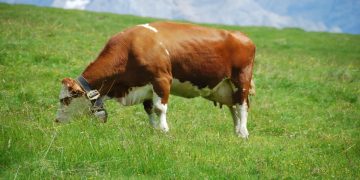
After evaluating the ecosystem services, local conditions and costs, the team found that turning the area into a cow pasture offered the best balance.

“Nowadays they have cows there, as well as horses,” said Riesgo Fernández. “Our methodology allows us to perfectly determine the most interesting scenario for a specific place, taking into consideration its characteristics and using as a reference the value of emitting one tonne of CO2.”

New foundations

But before deciding what ecosystem would be best at a particular location, Krzemień explained that the degraded land needs to be restored.

Her team found a way to make the hard, acidic waste heaps – a typical feature of post-coal mining areas across Europe – suitable for plants. They achieved this by mixing in leftover materials from other industries, like treated waste, crushed stone, or lime to reduce acidity, and natural compost from mushrooms.

“Our methodology is not only for post-mining areas. It is valid for any area in need of restoration.

Professor Pedro Riesgo Fernández, RECOVERY

These ingredients transformed barren ground into soil where plants can grow again.

This soil reclamation approach is now being used at the Velenje mine in Slovenia as part of GreenJOBS, a new EU-funded project coordinated by Riesgo Fernández that runs until the end of 2025.

The researchers made all their findings available on the project website, including detailed best practice guidelines.

Their approach can now extend beyond coal regions, offering solutions wherever land restoration is needed.

“Our methodology is not only for post-mining areas. It is valid for any area in need of restoration, regardless of the reason,” said Riesgo Fernández.

Initiatives like RECOVERY mark a shift in how Europe handles the legacy of coal mining. They demonstrate that innovative nature restoration can deliver social and environmental benefits for local communities and beyond.

As the continent advances towards climate neutrality, these new methods are helping lay the groundwork for a greener, more resilient future.

Research in this article was funded by the EU’s Research Fund for Coal & Steel (RFCS). The views of the interviewees don’t necessarily reflect those of the European Commission. If you liked this article, please consider sharing it on social media.

O artigo foi publicado originalmente em Horizon, the EU Research and Innovation Magazine.

Imprimir Artigo
Publicação Anterior

Ciclo urbano da água: Municípios do Algarve e Águas do Algarve com candidaturas de mais de 100 milhões de euros

Próxima Publicação

Projeto REDWine demonstra que CO2 libertado na fermentação do vinho tinto pode ser valorizado no cultivo de microalgas

Artigos Relacionados

água que une
Nacional

CAP afirma “intransigente exigência” quanto à execução da Água que Une

09/03/2026
reserva estratégica de água
Nacional

Governo: Água que Une com 1.000 ME em obras executas e lançadas

09/03/2026
Nacional

Risco de propagação da Dermatose Nodular Contagiosa preocupa setor em Portugal

09/03/2026
Próxima Publicação

Projeto REDWine demonstra que CO2 libertado na fermentação do vinho tinto pode ser valorizado no cultivo de microalgas

Opinião

Últimas

Pagar pelo “invisível” e o porquê da agricultura portuguesa não pode continuar a oferecer serviços ecológicos “de graça”?

por Mário Carmo
08/03/2026

Ler mais
Últimas

Quando a água é escassa, a agricultura é um “utilizador como os outros” … ou um setor estratégico que deve ter prioridade?

por António Bonito
01/03/2026

Ler mais

Subscrever as nossas newsletteres

Subscrever as nossas Newsletters Agroportal

Verifique na sua caixa de correio ou na pasta de spam para confirmar a sua subscrição.

Comunicados

FLOENE e CAP formalizam colaboração em prol dos agricultores e da transição energética em Portugal

09/03/2026

eBUPi lança GeoPortal

09/03/2026

Temas em destaque

Anpromis Candidaturas PU Eleições Mercosul PAC pós 2027 Simplificação PAC Temporais Vinho Água que Une
Advertisement

Eventos

Março 2026
STQQSSD
       1
2 3 4 5 6 7 8
9 10 11 12 13 14 15
16 17 18 19 20 21 22
23 24 25 26 27 28 29
30 31      
« Fev   Abr »

Sobre Nós

O Agroportal.pt é uma plataforma de informação digital que reúne a informação relevante sobre agricultura. Tem um foco na Política Agrícola Comum e a sua aplicação em Portugal.

Menu

  • Quem somos
  • Relatórios anuais
  • Envie-nos informação
  • Publicidade
  • Newsletters
  • Estatuto Editorial
  • Ficha técnica
  • Proteção de Dados Pessoais
  • Disclaimer
Facebook twitter Circle Instagram Rss Feed

© Agroportal. All Rights reserved.

  • Login
  • Registar
Sem Resultado
Ver Todos Os Resultados
  • Sugeridas
  • Notícias
    • Nacional
    • Internacional
    • Comunicados
  • Opinião
  • Eventos
  • Dossiers
    • Agricultura Biológica
    • Apoios
    • Artigos Técnicos
    • Biossoluções
    • Cadeia Alimentar
    • Fertilizantes
    • Financiamento
    • Fitofarmacêuticos
    • Florestas
    • Futuro da PAC
    • Inovação
    • Mercados e Cotações agrícolas
    • Newsletters e Revistas
    • Recomendações Agroflorestais
    • Seguros agrícolas
  • Serviços
    • Diretório
    • Emprego
    • Máquinas Agrícolas
    • Meteorologia
    • Terrenos Agrícolas
    • Arquivo Agroportal

© Agroportal. All Rights reserved.

Bem-Vindo De Volta!

Sign In with Facebook
Sign In with Google
OU

Faça login na sua conta abaixo

Esqueceu-se da senha? Registar

Criar Uma Nova Conta!

Sign Up with Facebook
Sign Up with Google
OU

Preencha os campos abaixo para se registar

* Ao se registar-se no nosso site, você concorda com os Termos e Condições e a Política de Privacidade .
Todos os campos são necessários. Entrar

Obter a sua senha

Indique por favor o seu nome de utilizador ou endereço de E-mail para repor a sua senha.

Entrar
Este site usa cookies. Ao continuar a utilizar este site, está a dar consentimento à utilização de cookies. Visite a nossa Política de Protecção de dados e Cookies.