














Sem Resultado
Ver Todos Os Resultados
Newsletters
Agroportal
  • Login
  • Registar
  • Sugeridas
  • Notícias
    • Notícias
    • Nacional
    • Internacional
    • Comunicados
    Federação Agrícola dos Açores

    Jorge Rita apela à manutenção do POSEI como instrumento autónomo

    Créditos: Jorge Oliveira

    Mau tempo: Ministro da Agricultura acusa banca de privilegiar quem tem menos risco

    rio douro

    Cimeira ibérica: Portugal e Espanha adotam medidas comuns para navegação segura no rio Minho

    Painel solar céu azul relva

    Central solar do Alqueva chumbada por risco para morcegos

    Paulo do Nascimento Cabral garante linhas orçamentais próprias e protegidas para a agricultura no novo Fundo Europeu de Competitividade e no próximo Horizonte Europa

    Secretário de Estado da Agricultura visitou duas empresas algarvias de plantas ornamentais

    A Reabilitação das Gorduras Saturadas: Presidente da FDA Expõe Fraude Científica

    CNA

    CNA saúda luta das agricultoras no Dia Internacional da Mulher

    vaca castanha

    Riscos de propagação da Dermatose Nodular Contagiosa aumentam com novos casos em Espanha

  • Opinião

    Quando a água é escassa, a agricultura é um “utilizador como os outros” … ou um setor estratégico que deve ter prioridade?

    Georgete Felix

    Risco climático, Agricultura e ESG

    A Política Agrícola (pouco!) Comum

    Agrovoltaico: quando a energia deixa de ser apenas custo e passa a ser também receita

    Abacate: uma cultura em forte afirmação nas agriculturas de Portugal

    Notas sobre a Sustentabilidade Operacional do PEPAC

    luis caixinhas

    Marca tridimensional ou desenho ou modelo: como proteger a forma dos produtos agroalimentares

    Francisco Avillez

    A Reforma da PAC pós-2027: breves reflexões sobre o orçamento proposto pela CE

    Filipe Corrêa Figueira

    Estão a encurralar os Agricultores… e não vai acabar bem!

  • Eventos
  • Dossiers

    Dossiers I

    • Agricultura Biológica
    • Apoios
    • Artigos Técnicos
    • Biossoluções
    • Cadeia Alimentar
    • Fertilizantes
    • Financiamento
    • Fitofarmacêuticos

    Dossiers II

    • Florestas
    • Futuro da PAC
    • Inovação
    • Mercados
    • Newsletters e Revistas
    • Recomendações Agroflorestais
    • Seguros

    Últimas

    Suplemento “AgroVida” – março de 2026

    06/03/2026

    NTG | CiB reúne com decisores políticos em Bruxelas para discutir legislação europeia sobre Novas Técnicas Genómicas

    06/03/2026

    Relatório semanal de acompanhamento dos mercados do setor da agricultura – 23 de fevereiro a 1 de março de 2026

    05/03/2026

    Dados Estatísticos – Evolução diária de candidaturas do PU no Portal do IFAP

    04/03/2026

    Observatório de Preços Agroalimentar | Evolução dos preços dos produtos alimentares: 29/12/2025 a 25/01/2026

    04/03/2026

    Melhoramento | Cientistas criam o mapa genético mais completo do pepino e abrem caminho a novas variedades mais resistentes

    04/03/2026
  • Serviços
    • Diretório
    • Emprego
    • Máquinas Agrícolas
    • Meteorologia
    • Terrenos Agrícolas
    • Arquivo Agroportal
Agroportal
  • Sugeridas
  • Notícias
    • Notícias
    • Nacional
    • Internacional
    • Comunicados
    Federação Agrícola dos Açores

    Jorge Rita apela à manutenção do POSEI como instrumento autónomo

    Créditos: Jorge Oliveira

    Mau tempo: Ministro da Agricultura acusa banca de privilegiar quem tem menos risco

    rio douro

    Cimeira ibérica: Portugal e Espanha adotam medidas comuns para navegação segura no rio Minho

    Painel solar céu azul relva

    Central solar do Alqueva chumbada por risco para morcegos

    Paulo do Nascimento Cabral garante linhas orçamentais próprias e protegidas para a agricultura no novo Fundo Europeu de Competitividade e no próximo Horizonte Europa

    Secretário de Estado da Agricultura visitou duas empresas algarvias de plantas ornamentais

    A Reabilitação das Gorduras Saturadas: Presidente da FDA Expõe Fraude Científica

    CNA

    CNA saúda luta das agricultoras no Dia Internacional da Mulher

    vaca castanha

    Riscos de propagação da Dermatose Nodular Contagiosa aumentam com novos casos em Espanha

  • Opinião

    Quando a água é escassa, a agricultura é um “utilizador como os outros” … ou um setor estratégico que deve ter prioridade?

    Georgete Felix

    Risco climático, Agricultura e ESG

    A Política Agrícola (pouco!) Comum

    Agrovoltaico: quando a energia deixa de ser apenas custo e passa a ser também receita

    Abacate: uma cultura em forte afirmação nas agriculturas de Portugal

    Notas sobre a Sustentabilidade Operacional do PEPAC

    luis caixinhas

    Marca tridimensional ou desenho ou modelo: como proteger a forma dos produtos agroalimentares

    Francisco Avillez

    A Reforma da PAC pós-2027: breves reflexões sobre o orçamento proposto pela CE

    Filipe Corrêa Figueira

    Estão a encurralar os Agricultores… e não vai acabar bem!

  • Eventos
  • Dossiers

    Dossiers I

    • Agricultura Biológica
    • Apoios
    • Artigos Técnicos
    • Biossoluções
    • Cadeia Alimentar
    • Fertilizantes
    • Financiamento
    • Fitofarmacêuticos

    Dossiers II

    • Florestas
    • Futuro da PAC
    • Inovação
    • Mercados
    • Newsletters e Revistas
    • Recomendações Agroflorestais
    • Seguros

    Últimas

    Suplemento “AgroVida” – março de 2026

    06/03/2026

    NTG | CiB reúne com decisores políticos em Bruxelas para discutir legislação europeia sobre Novas Técnicas Genómicas

    06/03/2026

    Relatório semanal de acompanhamento dos mercados do setor da agricultura – 23 de fevereiro a 1 de março de 2026

    05/03/2026

    Dados Estatísticos – Evolução diária de candidaturas do PU no Portal do IFAP

    04/03/2026

    Observatório de Preços Agroalimentar | Evolução dos preços dos produtos alimentares: 29/12/2025 a 25/01/2026

    04/03/2026

    Melhoramento | Cientistas criam o mapa genético mais completo do pepino e abrem caminho a novas variedades mais resistentes

    04/03/2026
  • Serviços
    • Diretório
    • Emprego
    • Máquinas Agrícolas
    • Meteorologia
    • Terrenos Agrícolas
    • Arquivo Agroportal
Sem Resultado
Ver Todos Os Resultados
Agroportal
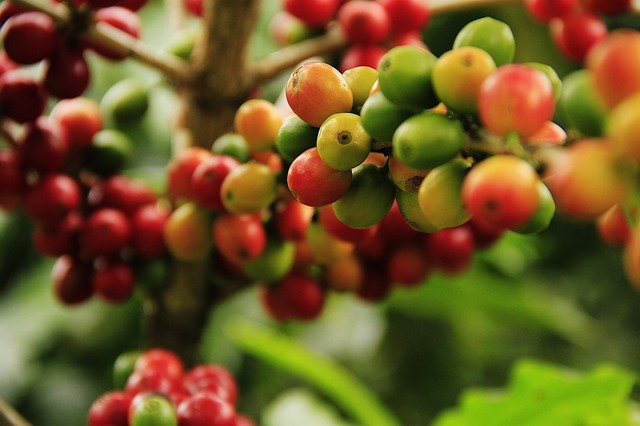
planta cafe

Genetic research boosts response to disease plaguing Hawaii’s coffee crop

por Cornell Alliance for Science
14-03-2022 | 10:58
em Últimas, Internacional, Notícias inovação
Tempo De Leitura: 6 mins
A A
Partilhe no FacebookPartilhe no TwitterEnviar para o WhatsappEnviar para o TelegramEnviar para o LinkedIn

As the only state that produces coffee, including the iconic Kona variety, Hawaii growers and agricultural officials were alarmed when coffee leaf rust began spreading rapidly through the Islands.

The devastating plant fungus, which reduces yields and harms coffee trees by attacking the plant’s leaves, was first detected on the islands of Maui and Hawaii in 2020. It has since been found on Oahu, Lanai, Kauai and Molokai. A collaborative effort was quickly mobilized in response to the widening threat.

“We were in the process of preparing for CLR [coffee leaf rust], but it wasn’t the top priority,” said Christopher Manfredi, executive director of the Hawaii Coffee Association (HCA). “Now it is. “

The partnership — led by the Synergistic Hawaii Agriculture Council (SHAC), with funding from the Foundation for Food & Agriculture Research’s (FFAR) Rapid Outcomes from Agricultural Research (ROAR) program — is pursuing a multi-pronged response to coffee leaf rust (CLR), which annually causes $3 billion in damages worldwide.

There’s a lot at stake. Hawaii’s unroasted coffee industry is valued at $113.01 million annually and engages some 1,500 farms on 10,000 acres across the state. Most are family-run and smaller than two acres. Many more people depend on the industry for their livelihood, which also generates revenues from increased tourism and related businesses.

“Numbers don’t do a good job of talking about the deep, 200-year heritage of coffee in Hawaii,” said Suzanne Shriner, director of SHAC. “The potential losses of income to growers are severe, but it also jeopardizes an entire community built around coffee. The Kona region of Hawaii is a mecca for visitors doing farm tours, local shops selling coffee and all the ancillary jobs and attractions that stem from the lure of the coffee bean.”

Growers are already feeling the effects as the disease causes defoliation that can cut yields by up to 70 percent and significantly increase production costs. In response, many farmers have increased their prices for unroasted coffee by $1.50 to $3 per pound. The “downstream economic impact” is estimated at about $231.67 million for the 2021-22 season.

“Our growers are desperate for a solution to CLR,” Shriner said.  “The FFAR grant allowed the researchers and extension to quickly deploy answers to the most basic questions of this disease.  As our learning curve grows, it’s built on the base of the joint funding of FFAR and our community partners who matched the funds.” They include the HCA, Maui Coffee Association and Hawaii Coffee Growers Association.

The FFAR genetics research is being carried out by Dr. Catherine Aime, a Purdue University professor who is the only academic mycologist in the nation broadly specializing in fungi that cause rust diseases.

“Our objectives are to generate a high-quality genome for the fungus (Hemileia vastatrix) that causes coffee leaf rust (CLR) disease,” Aime explained.  That information will be used in several different ways, including identifying genotyping markers within the genome to help researchers track movement and population dynamics of the rust and characterizing molecular bases for overcoming host resistance.

“If we can determine (via the genotyping) how the rust populations behave and generate diversity, that will inform management programs,” Aime said.  “For instance, if we find that environmental factors are the most important in selecting hypervirulent strains, then altering host growth conditions to be less favorable to CLR would be indicated.  If, however, we find that new races are constantly evolving, then breeding for durable resistance would be a better strategy.

Aime’s team has already identified the strain of coffee rust that is affecting Hawaii’s crop, Shriner said. “Unfortunately, it is an aggressive strain with large [leaf] lesions and a 20-day incubation period.”

The research has implications for understanding the disease that go beyond addressing its outbreak in Hawaii.

“The ultimate goal is to provide the knowledge, based on genomic and population analyses, about how the rust manages to erode host resistance so quickly,” Aime said.  “Once this is understood then we can better plan strategies to mitigate outbreaks, whether that involves changes in management, or breeding strategies. Rust fungi cause some of our most serious diseases of agricultural crops and forest products.  So, any insights into how they overcome host resistance may help to inform strategies to control them in other systems.”

While most other coffee-growing regions have planted rust-resistant varieties, none of Hawaii’s commercially grown varieties are resistant, according to an HCA white paper. Furthermore, none of the fungicides most effective in fighting the disease were approved for use on coffee in the Islands.

“It’s like your house is on fire, and you’re working to get a permit to buy a hose,” said Manfredi, noting that growers partnered with state and national researchers and agencies to quickly permit the safe use of systemic fungicides that are approved for coffee elsewhere and on other food crops in Hawaii.

The HCA is calling subsidies to help farmers purchase fungicides effective on CLR. That stance is supported by a USDA-APHIS economic analysis, which notes: “The most practical means of controlling CLR is through spraying fungicides, which would cost Hawaii’s coffee farmers up to $10 million annually. These added costs would impact different types of farms differently. Small, unmechanized coffee farms would likely not be able to absorb the additional costs to control CLR and would stop producing coffee. Larger farms (> 15 acres) that use mechanization and modern farming methods may be in a better position to continue production because they have high enough yields to generate sufficient revenue to absorb the added costs.”

The analysis also recommends transitioning to CLR-resistant varieties as a potential long-term solution to reduce the need for fungicide applications. “We estimate it would cost at least $68.5 million to field graft, or $95.6 million to replant all the coffee acreage in Hawaii. However, the switch to resistant varieties would occur over time.”

Outreach and education are also important components of the response. Under the FFAR grant, the University of Hawaii’s College of Tropical Agriculture and Human Resources (UH-CTAHR) is creating materials and educating Hawaii growers on the best-known management practices for CLR. Extension faculty and staff are helping growers detect and identify CLR on their farms during the critical early stages, while providing tips for managing the disease with field sanitation, monitoring, proper plant nutrition and fertilizer, pruning and approved fungicides.

“We’re reinforcing the basics: soil health, tree health and farm management.,” Manfredi said.

The outreach activities have included webinars, workshops, field days, farm doctor visits, informational videos, educational booth displays at industry conferences and expos and a website where most of the educational materials are posted.

Shriner said the research and extension activities offer benefits beyond slowing or stopping the spread of coffee leaf rust in the Islands.

“Control may never be possible.  But management might be,” she said. “The FFAR grant allowed the researchers and extension to quickly deploy answers to the most basic questions of this disease and collect adequate data to develop a comprehensive strategic plan. As our learning curve grows, it’s built on the base of the joint funding of FFAR and our community partners who matched the funds.  The response of growers and the community has been appreciative.”

By Joan Conrow

O artigo foi publicado originalmente em Cornell Alliance for Science.

Imprimir Artigo
Publicação Anterior

Corporações de Bombeiros descontentes

Próxima Publicação

Exportações da Fileira do Pinho atingem novo recorde em 2021

Artigos Relacionados

Revistas

Suplemento “AgroVida” – março de 2026

06/03/2026
Federação Agrícola dos Açores
Últimas

Jorge Rita apela à manutenção do POSEI como instrumento autónomo

06/03/2026
Créditos: Jorge Oliveira
Nacional

Mau tempo: Ministro da Agricultura acusa banca de privilegiar quem tem menos risco

06/03/2026
Próxima Publicação
centro pinus

Exportações da Fileira do Pinho atingem novo recorde em 2021

Opinião

Últimas

Quando a água é escassa, a agricultura é um “utilizador como os outros” … ou um setor estratégico que deve ter prioridade?

por António Bonito
01/03/2026

Ler mais
Georgete Felix
Últimas

Risco climático, Agricultura e ESG

por Georgete Félix
22/02/2026

Ler mais

Subscrever as nossas newsletteres

Subscrever as nossas Newsletters Agroportal

Verifique na sua caixa de correio ou na pasta de spam para confirmar a sua subscrição.

Comunicados

Federação Agrícola dos Açores

Jorge Rita apela à manutenção do POSEI como instrumento autónomo

06/03/2026

Paulo do Nascimento Cabral garante linhas orçamentais próprias e protegidas para a agricultura no novo Fundo Europeu de Competitividade e no próximo Horizonte Europa

06/03/2026

Temas em destaque

Anpromis Candidaturas PU Eleições Mercosul PAC pós 2027 Simplificação PAC Temporais Vinho Água que Une
Advertisement

Eventos

Março 2026
STQQSSD
       1
2 3 4 5 6 7 8
9 10 11 12 13 14 15
16 17 18 19 20 21 22
23 24 25 26 27 28 29
30 31      
« Fev   Abr »

Sobre Nós

O Agroportal.pt é uma plataforma de informação digital que reúne a informação relevante sobre agricultura. Tem um foco na Política Agrícola Comum e a sua aplicação em Portugal.

Menu

  • Quem somos
  • Relatórios anuais
  • Envie-nos informação
  • Publicidade
  • Newsletters
  • Estatuto Editorial
  • Ficha técnica
  • Proteção de Dados Pessoais
  • Disclaimer
Facebook twitter Circle Instagram Rss Feed

© Agroportal. All Rights reserved.

  • Login
  • Registar
Sem Resultado
Ver Todos Os Resultados
  • Sugeridas
  • Notícias
    • Nacional
    • Internacional
    • Comunicados
  • Opinião
  • Eventos
  • Dossiers
    • Agricultura Biológica
    • Apoios
    • Artigos Técnicos
    • Biossoluções
    • Cadeia Alimentar
    • Fertilizantes
    • Financiamento
    • Fitofarmacêuticos
    • Florestas
    • Futuro da PAC
    • Inovação
    • Mercados e Cotações agrícolas
    • Newsletters e Revistas
    • Recomendações Agroflorestais
    • Seguros agrícolas
  • Serviços
    • Diretório
    • Emprego
    • Máquinas Agrícolas
    • Meteorologia
    • Terrenos Agrícolas
    • Arquivo Agroportal

© Agroportal. All Rights reserved.

Bem-Vindo De Volta!

Sign In with Facebook
Sign In with Google
OU

Faça login na sua conta abaixo

Esqueceu-se da senha? Registar

Criar Uma Nova Conta!

Sign Up with Facebook
Sign Up with Google
OU

Preencha os campos abaixo para se registar

* Ao se registar-se no nosso site, você concorda com os Termos e Condições e a Política de Privacidade .
Todos os campos são necessários. Entrar

Obter a sua senha

Indique por favor o seu nome de utilizador ou endereço de E-mail para repor a sua senha.

Entrar
Este site usa cookies. Ao continuar a utilizar este site, está a dar consentimento à utilização de cookies. Visite a nossa Política de Protecção de dados e Cookies.